12V vs. 24V OBD2 Scanner: Which Fits Your Diagnostic Setup Better?
Choosing between standard passenger vehicle tools and heavy-duty diagnostic units requires understanding electrical architectures. Selecting the right hardware protects your vehicle control modules during deep system scans.

For standard automotive repair shops, a 12V tool handles passenger cars efficiently. Heavy commercial fleet technicians require a dedicated 24V OBD2 scanner to prevent severe hardware damage.
Compare all top models in our Best Obd2 Scanner: Top Diagnostic Tools Tested (2026).
Side-by-Side Breakdown
| Criteria | 12V | 24V Obd2 Scanner | Edge |
|---|---|---|---|
| Peak Performance & Output | Optimized for standard light-duty passenger vehicle diagnostics. | Engineered for heavy-duty commercial truck network loads. | 24V Obd2 Scanner |
| Duty Cycle & Consistency | Handles intermittent daily shop tasks with steady reliability. | Built for continuous heavy industrial diagnostic cycling. | 24V Obd2 Scanner |
| Operating Noise & Vibration | Silent solid-state operation with standard handheld cooling. | Ruggedized casings designed to withstand heavy garage vibration. | 24V Obd2 Scanner |
| Portability & Footprint | Lightweight, pocket-friendly design for fast technician movement. | Heavier, reinforced module designed for rigorous truck bays. | 12V |
| Maintenance & Service Life | Simple firmware updates via standard USB diagnostic ports. | Requires specialized pin adapters and robust connector care. | 24V Obd2 Scanner |
| Power Requirements | Draws minimal power from standard cigarette lighters or ports. | Demands strict voltage isolation to protect sensitive circuitry. | 12V |
| Best Ideal Use-Case | Independent passenger car repair and quick emissions testing. | Fleet maintenance, semi-trucks, and heavy industrial machinery. | 24V Obd2 Scanner |
Electrical Architecture and Voltage Compatibility
Modern automotive diagnostics rely heavily on matching tool voltage to vehicle networks. Standard passenger vehicles operate on a traditional twelve-volt architecture across all primary ECUs.
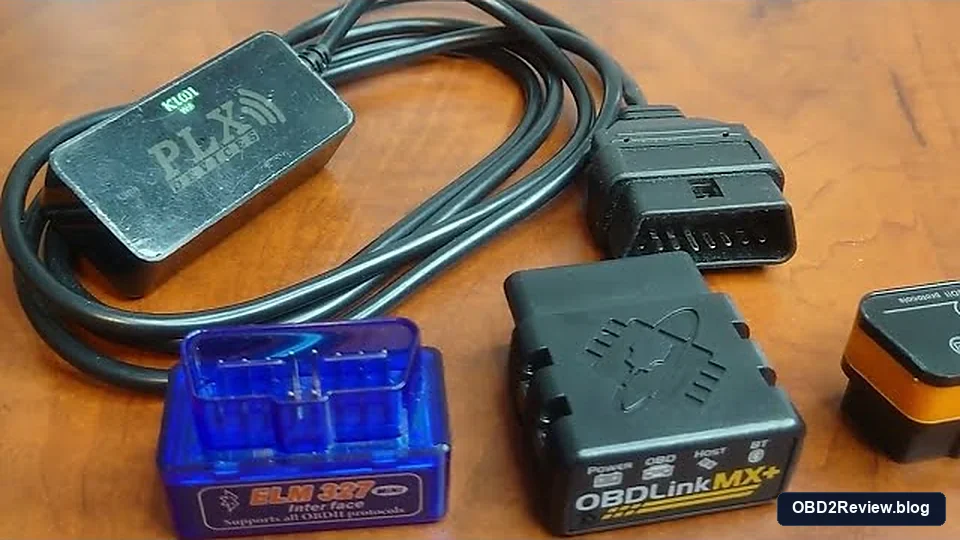
Attempting to plug a standard tool into foreign luxury chassis can trigger communication faults. Selecting a reliable obd2 scanner for bmw prevents internal circuit damage from incorrect voltage spikes.
Modern 12V passenger vehicles rely on single-battery configurations operating around 12.6 volts at rest, requiring diagnostic tools with basic logic circuitry and simple step-down regulators to protect internal microprocessors safely.
Heavy-duty commercial platforms utilizing 24V electrical systems feature dual series-connected batteries and transient load dumps exceeding 60 volts, demanding robust galvanically isolated interfaces to prevent catastrophic damage to connected diagnostic hardware.
- Light-duty systems utilize standard 12V OBD2 ports.
- Commercial transports require isolated 24V interfaces.
- Voltage mismatches risk permanent ECU hardware failure.
Understanding Circuit Isolation and Protection
Advanced diagnostic interfaces feature heavy optical isolation. This engineering design protects your primary tablet from unexpected voltage spikes during heavy-duty bus queries.
Always verify your vehicle's specific pinout configuration before connecting any unverified reader. Circuit protection remains paramount in mixed commercial repair facilities.
- Optical isolation blocks harmful power surges.
- Pinout verification prevents expensive diagnostic damage.
Hardware Durability, Build Quality, and Shop Maintenance
Automotive repair shops present harsh environments for sensitive electronic measurement tools. Standard passenger car readers feature lightweight plastics designed for clean interior cabin environments.
Heavy-duty commercial mechanics need ruggedized housings with rubberized corner bumpers. These units endure grease, oil drops, and frequent impacts inside busy truck maintenance yards.
Professional automotive workshops subject diagnostic equipment to heavy grease exposure and impacts, making the best professional obd2 scanner with an IP54-rated enclosure an absolute necessity for daily tool longevity.
Technicians must routinely inspect diagnostic cables for micro-cracks in the insulation and clean OBD-II connector pins using contact cleaner to prevent intermittent communication errors caused by accumulated shop dust and metallic debris.
- Passenger tools prioritize compact, lightweight polymer casings.
- Commercial scanners use impact-resistant industrial rubber boots.
- Proper strain relief prevents premature cable fraying.
Connector Wear and Pin Maintenance
Heavy commercial pins experience higher insertion friction due to larger housing standards. Regular cleaning with contact cleaner ensures stable data transmission across noisy networks.
Inspect your diagnostic cables monthly for physical pin deformation. Preventative maintenance drastically extends the operational lifespan of expensive commercial scanner heads.
- Commercial pins face intense mechanical insertion stress.
- Monthly cleaning maintains clean CAN bus signals.
Ergonomics, Portability, and Footprint in Mobile Repair
Technicians performing mobile diagnostics value tools that fit comfortably inside service pouches. Choosing the best obd2 scanner reduces wrist fatigue during extended diagnostic sessions and streamlines daily workflow.
Conversely, industrial diagnostic kits often include heavy interface boxes and reinforced cabling. While less portable, this added bulk reflects superior internal transformer shielding.
Mobile fleet mechanics prioritize compact form factors and lightweight designs, preferring handheld units that fit easily inside a service jacket or diagnostic cart without adding unnecessary physical strain during prolonged field inspections.
Ergonomic considerations must also account for harsh outdoor environments, ensuring buttons remain tactile when wearing heavy gloves and high-contrast LCD screens stay legible under direct sunlight during roadside commercial vehicle diagnostics.
- Lightweight handhelds reduce daily technician physical fatigue.
- Heavy industrial kits demand dedicated mobile cart storage.
- Ergonomic grips improve handling during greasy repairs.
Cable Length and Workspace Reach
Commercial truck cabins and engine bays require significantly longer cable reaches. Manufacturers supply heavy-duty extension harnesses to accommodate large tractor-trailer dimensions.
Standard passenger tools feature shorter cables designed for under-dash accessibility. Proper cable management keeps busy repair bays safe from tripping hazards.
- Commercial setups require extended cable lengths.
- Under-dash ports favor short, direct connection leads.
Protocol Support, CAN Bus Speeds, and Heavy-Duty Networks
Communication protocols dictate how fast a tool reads live engine data. Equipping your bay with the best budget obd2 scanner ensures fast ISO 15765-4 compliance across most standard passenger vehicles.
Commercial trucks utilize specialized networks including J1939 and J1708 standards. A specialized commercial unit decodes these heavy data streams effortlessly.
Standard passenger car scanners primarily process ISO 9141, KWP2000, and standard CAN protocols at speeds up to 500 kbps to monitor engine parameters, emissions readiness monitors, and body control module communications efficiently.
Heavy-duty commercial applications require specialized support for SAE J1939 and J1708 networks running at varying baud rates, necessitating advanced dual-processor architectures capable of handling heavy multi-frame diagnostic messages seamlessly.
- Passenger cars use standardized OBD2 communication protocols.
- Commercial trucks require robust J1939 protocol decoding.
- Fast baud rates ensure real-time parameter monitoring.
Interpreting Multiplexed Data Streams
Multiplexing allows multiple vehicle modules to share a single communication line. Advanced scanners process these complex data streams without noticeable lag or packet loss.
Technicians troubleshooting intermittent faults rely on high-speed logging capabilities. Data processing speed directly impacts diagnostic troubleshooting efficiency in the shop.
- Multiplexed lines require high-speed data processors.
- Buffer capacity prevents dropped diagnostic data packets.
Thermal Management, Power Draw, and Interface Safety
Extended diagnostic sessions generate significant internal heat within handheld circuit boards. High-voltage commercial units incorporate passive heatsinks to dissipate thermal energy effectively.
Unregulated power draw can drain vehicle batteries during lengthy coding procedures. Professional mechanics always attach external power supplies during extended flashing operations.
Extended diagnostic sessions on commercial vehicles draw continuous current through the data link connector, requiring efficient internal thermal dissipation to prevent processor throttling and premature hardware failure in hot engine bays.
Safety standards mandate proper fuse protection within the diagnostic cable assembly to guard against unexpected short circuits and reverse polarity events that could damage sensitive vehicle control units during active testing.
- Passive heatsinks prevent internal electronic thermal throttling.
- External power supplies protect batteries during ECU flashes.
- Current limiting features safeguard sensitive diagnostic ports.
Preventing Thermal Shutdown During Resets
Performing forced DPF regenerations places extreme stress on diagnostic hardware. Quality commercial scanners maintain stable operating temperatures during prolonged high-load commands.
Always check ambient shop temperature limits specified by tool manufacturers. Thermal stability prevents unexpected system crashes during critical calibrations.
- DPF regenerations push diagnostic hardware to limits.
- Thermal stability prevents mid-procedure ECU lockouts.
Diagnostic Depth: Passenger Cars Versus Commercial Fleets
The depth of vehicle system coverage separates basic code readers from professional tools. Passenger car scanners focus on ABS, airbag, and transmission modules.
Heavy-duty applications demand deep access to transmission retarders, trailer ABS, and body controllers. Commercial software packages include extensive manufacturer-specific diagnostic databases.
Passenger car diagnostics focus heavily on emissions compliance, EVAP system testing, and individual cylinder misfire counters, requiring deep manufacturer-specific database access for powertrain modules and advanced body electronics.
Commercial fleet diagnostics emphasize aftertreatment systems, diesel particulate filter regeneration cycles, and transmission health metrics, demanding comprehensive coverage for heavy-duty electronic control units across diverse manufacturer platforms.
- Light-duty tools cover basic passenger vehicle modules.
- Commercial software addresses complex industrial subsystems.
- Specialized databases unlock hidden manufacturer trouble codes.
Bi-Directional Controls and Actuator Tests
Bi-directional capability allows technicians to send active commands to vehicle components. Testing fuel injectors or cooling fans verifies physical component functionality instantly.
Commercial fleet operators depend on these advanced actuation tests to minimize vehicle downtime. Active testing features transform basic readers into powerful diagnostic workhorses.
- Bi-directional commands verify physical component operation.
- Actuation tests drastically reduce overall diagnostic time.
Cost-to-Value Analysis and Long-Term Equipment Longevity
Investing in diagnostic equipment requires balancing initial outlay with expected service returns. Standard passenger vehicle tools offer cost-effective solutions for general mechanic shops.
Commercial-grade hardware commands higher initial investments due to specialized licensing and rugged components. However, servicing heavy fleets quickly recovers these upfront expenses.
Investing in dual-voltage diagnostic equipment eliminates the need for separate scan tools, reducing total equipment costs while streamlining technician training across mixed fleets of light-duty trucks and heavy commercial vehicles.
Evaluating return on investment requires factoring in software update subscriptions, hardware modularity, and manufacturer warranty terms to ensure your diagnostic investment remains viable as vehicle architectures continue evolving rapidly.
- Standard tools offer affordable entry for local shops.
- Commercial scanners require higher initial hardware investment.
- Fleet service revenue quickly offsets professional tool costs.
Software Update Subscriptions and Licensing
Keeping diagnostic databases current requires ongoing annual software subscription renewals. Commercial manufacturers frequently release new protocol updates for emerging truck models.
Evaluate update costs before committing to a specific equipment brand. Subscription transparency ensures your shop avoids unexpected operational expenses over time.
- Annual updates ensure coverage for new vehicle releases.
- Clear subscription terms protect long-term shop budgets.
Frequently Asked Questions
Can I plug a standard 12V scanner into a 24V commercial truck port?
Plugging a standard light-duty tool into a commercial vehicle will instantly destroy its internal circuits. Always use a dedicated 24V OBD2 scanner or a certified heavy-duty step-down adapter interface.
What communication protocols do heavy-duty diagnostic tools support?
Heavy-duty commercial scanners primarily support J1939, J1708, and ISO 15765 protocols. These robust networks allow technicians to communicate seamlessly with large commercial diesel engine control modules.
Do commercial fleet diagnostic tools require internet connectivity?
While basic code reading works offline, software updates and repair database lookups require internet access. Regular updates ensure your diagnostic software recognizes newly released commercial vehicle parameters.
How do I protect my diagnostic equipment from power surges?
Quality diagnostic scanners feature built-in optical isolation and circuit protection relays. Inspecting your cable pins regularly prevents accidental short circuits from damaging expensive diagnostic hardware.
Is it possible to perform DPF forced regenerations with a 12V tool?
Forced diesel particulate filter regenerations require specialized heavy-duty software commands. Standard passenger vehicle tools lack the necessary bi-directional controls to execute commercial diesel maintenance routines.