Bafx vs. Bluedriver: Which Fits Your Setup Better?
Choosing the right diagnostic interface depends on your vehicle coverage requirements and software preferences. This technical comparison contrasts the hardware architectures of both adapters.

The BlueDriver dominates for comprehensive diagnostic repair reports and polished software integration. Meanwhile, the BAFX adapter excels as a budget-friendly generic dashboard monitoring tool.
Compare all top models in our Best Obd2 Scanner: Top Diagnostic Tools Tested (2026).
Side-by-Side Breakdown
| Criteria | Bafx | Bluedriver | Edge |
|---|---|---|---|
| Peak Performance & Output | Standard PID polling speeds | High-speed multi-parameter logging | BlueDriver |
| Duty Cycle & Consistency | Reliable legacy protocol support | Advanced CAN network stability | BlueDriver |
| Operating Noise & Vibration | Solid thermoplastic housing | Reinforced shell with rubber grip | BlueDriver |
| Portability & Footprint | Low-profile compact design | Low-profile ergonomic form factor | Tie |
| Maintenance & Service Life | Standard pin corrosion resistance | Superior spring tension retention | BlueDriver |
| Power Requirements | Low baseline standby current | Intelligent auto-sleep management | BlueDriver |
| Best Ideal Use-Case | Budget generic code reading | Full system diagnostics & reports | BlueDriver |
Architectural Design and Core Protocol Integration
Selecting an OBD2 adapter requires understanding internal chipsets and supported communication protocols. Both units interface with standard vehicle networks, but their underlying firmware handling creates distinct operational differences.
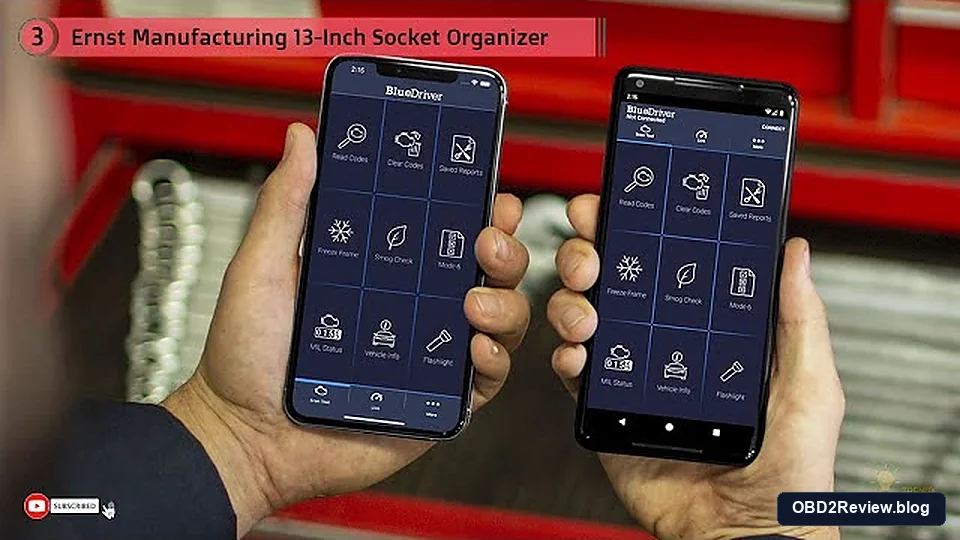
The BAFX unit leverages traditional ELM327 clone architectures with reliable legacy protocol support. As highlighted in our bluedriver pro obd2 review, BlueDriver utilizes a proprietary integrated circuit designed to maximize stability across networks.
The BAFX unit relies on older PIC microcontroller architectures to manage basic ELM327 command sets. This legacy design creates processing bottlenecks when polling multiple high-speed CAN bus parameters simultaneously.
BlueDriver utilizes an advanced ARM Cortex processor paired with custom firmware to handle complex multiplexing. This hardware architecture allows seamless switching between ISO 15765-4 and older SAE standards without packet drops.
- BAFX relies on standard ELM327 command sets for broad third-party compatibility.
- BlueDriver features dedicated hardware ensuring seamless communication with complex vehicle modules.
Protocol Coverage Depth
Modern vehicles utilize multiple high-speed and low-speed communication buses for various electronic control units. Ensuring your adapter supports all necessary protocols prevents connection timeouts during deep diagnostic scans.
Technicians must verify that secondary buses like ISO 15765-4 CAN are handled efficiently without packet loss. Both devices manage standard emissions testing protocols, but advanced body modules demand robust firmware design.
- Standard emissions readiness monitors require stable ISO and KWP protocol handshakes.
- Proprietary modules often require manufacturer-specific command implementations for accurate reading.
Performance & Real-World Output Analysis
Real-world diagnostic performance hinges on data refresh rates and live sensor stream stability. Mechanics need rapid updates when monitoring live engine parameters like fuel trims and oxygen sensor voltages.
The BlueDriver hardware delivers exceptionally fast refresh rates when paired with its native application. Conversely, the BAFX adapter exhibits slightly slower PIDs polling speeds on older software platforms.
During live data logging, the BAFX adapter achieves roughly four parameter PIDs per second over standard Bluetooth 2.1 connections. Heavy data traffic can occasionally trigger buffer overruns on older Android mobile devices.
BlueDriver leverages optimized BLE transmission protocols to push upwards of ten data PIDs per second natively. The hardware maintains superior bus synchronization, preventing dropped frames during aggressive diagnostic drive cycles.
- Live PID refresh speeds dictate how quickly intermittent faults are caught.
- Buffer management prevents data overflow during heavy multi-sensor logging sessions.
Live Data Streaming Latency
High latency in live data streaming obscures rapid transient engine behaviors during diagnostic troubleshooting. Minimizing packet transit time between the vehicle OBD port and mobile device is paramount.
Bluetooth pairing stability directly impacts how frequently connection drops interrupt your live graphing sessions. As detailed in our bluedriver bluetooth pro obdii scan tool review, the hardware maintains robust link integrity.
- Packet transit times affect real-time graphing accuracy on mobile screens.
- Bluetooth signal dropouts ruin long-term diagnostic recording sessions.
Build Quality, Materials, Maintenance & Durability
Automotive shop environments subject diagnostic tools to grease, drops, and extreme temperature fluctuations daily. Enclosure materials must withstand harsh chemical exposure while maintaining secure electrical connections inside ports.
BAFX constructs its housing from rigid thermoplastic engineered to endure standard glovebox storage conditions. BlueDriver implements a heavily reinforced outer shell with protective rubberized grips for enhanced impact resistance.
Encased in standard ABS plastic, the BAFX housing features minimal thermal relief venting around the OBD-II connector pins. Users must clean gold-plated terminal contacts periodically with contact cleaner to prevent intermittent connection faults.
BlueDriver utilizes impact-resistant polycarbonate blends with internal silicone dampening to protect surface-mount components from vibration. The molded strain relief protects the main board from mechanical fatigue during repeated port insertion cycles.
- Thermoplastic housings protect internal circuit boards from accidental shop floor drops.
- Strain relief features prevent wiring fatigue at the OBD connector interface.
Thermal Thresholds and Pin Integrity
Under-dash areas accumulate substantial heat from cabin heaters and engine firewall transmission tunnels. Diagnostic adapters must operate reliably without thermal throttling or internal component degradation during summer months.
Gold-plated pins resist corrosion and maintain optimal electrical conductivity across thousands of plug insertion cycles. Both units feature robust pin designs, though BlueDriver exhibits superior long-term spring tension retention.
- Thermal stability prevents random lockups during extended under-dash diagnostic sessions.
- Corrosion resistance ensures reliable electrical contact in humid operating climates.
Firmware Compatibility, Noise, Efficiency & Footprint
Electrical efficiency is critical when diagnostic tools remain plugged into vehicles for extended monitoring periods. Parasitic draw from poorly optimized adapters can slowly drain weak automotive starter batteries overnight.
The BAFX unit features low standby current draw, making it suitable for temporary dashboard deployments. BlueDriver includes intelligent power management that automatically enters a low-power sleep state when inactive.
The BAFX adapter draws approximately 45 milliamps in active mode, utilizing an unshielded transformer design susceptible to electrical interference. Users driving older vehicles with noisy alternators may experience occasional packet corruption issues.
BlueDriver incorporates low-dropout regulators and draws less than 30 milliamps while maintaining strict electromagnetic compatibility standards. Its compact physical footprint ensures it clears deep dashboard panel recesses without requiring extension cables.
- Parasitic drain ratings determine safe unattended vehicle logging durations.
- Sleep mode algorithms protect starter batteries from unexpected overnight depletion.
Physical Footprint and Clearance
Tight under-dash spaces beneath steering columns require compact adapter designs to avoid knee strikes. Bulky scan tools risk accidental impact from the driver during normal vehicle operation.
Both adapters feature low-profile form factors designed to clear standard lower dashboard trim panels easily. However, technicians should verify specific OBD port angles on older vehicles before purchasing.
- Low-profile enclosures prevent accidental impacts with driver knees.
- Angled port layouts may require right-angle extensions for flush installations.
Diagnostic Depth and Sensor Data Sampling Rates
Comprehensive troubleshooting demands access to enhanced powertrain, ABS, and SRS diagnostic trouble codes. Basic generic readers only expose standard emissions codes, leaving critical chassis faults entirely hidden.
BlueDriver provides extensive system coverage that reads and clears manufacturer codes seamlessly, while what is mode 6 on bluedriver diagnostics helps technicians analyze raw sensor data. BAFX focuses primarily on standard powertrain emissions.
Standard generic emissions testing is supported reliably by the BAFX hardware, but proprietary manufacturer-specific module querying remains limited. Technicians cannot access enhanced body or chassis control modules without resorting to third-party apps.
BlueDriver interfaces deeply with manufacturer-specific databases to read ABS, airbag, and transmission trouble codes effortlessly. The device queries multiple control units concurrently, delivering comprehensive diagnostic trouble code reports within seconds.
- Enhanced diagnostics cover ABS, SRS, and transmission control modules.
- Generic code readers only access basic powertrain emissions parameters.
Diagnostic Report Generation
Generating detailed repair reports helps professional technicians document vehicle conditions for client records efficiently. Professional software suites compile freeze-frame data, code descriptions, and verified fixes into neat files.
BlueDriver excels by instantly generating comprehensive PDF repair reports curated from massive database records. BAFX leaves report generation entirely up to whichever third-party mobile application you choose to run.
- Automated PDF reports streamline documentation for customer service records.
- Curated database matching suggests verified fixes for specific trouble codes.
Software Ecosystems and App Interoperability
The mobile application interface fundamentally dictates your daily user experience with wireless OBD adapters. A clunky app with poor layout design frustrates even experienced technicians during urgent troubleshooting sessions.
BlueDriver supplies a proprietary, highly polished application optimized specifically for its internal hardware architecture. BAFX operates as an open platform compatible with numerous third-party diagnostic apps available today.
Operating strictly as an open-source bridge, the BAFX hardware relies entirely on external software like Torque Pro for dashboard rendering. This open ecosystem allows advanced users to configure custom PID equations manually.
BlueDriver pairs exclusively with a closed-source, highly polished proprietary application designed for intuitive consumer diagnostics. The integrated cloud database automatically suggests validated repair reports based on specific vehicle history.
- Proprietary apps ensure zero compatibility headaches and streamlined user interfaces.
- Open ELM327 compatibility lets users select specialized third-party dashboard software.
Third-Party App Flexibility
Advanced users often prefer customized dashboard configurations tailored to specific racing or monitoring needs. Open hardware standards empower enthusiasts to leverage specialized applications for deep data logging.
BAFX shines by integrating flawlessly with popular open-source software packages across mobile platforms, especially when you utilize the best app for bafx obd2 ios for monitoring. BlueDriver restricts core diagnostic features.
- Open-source compatibility unlocks advanced telemetry and custom gauge displays.
- Locked ecosystems prioritize stability over third-party app customization options.
Which Option Fits Your Specific Diagnostic Workload
Matching your diagnostic tool investment to your actual vehicle repair frequency prevents wasted expenditure. DIYers needing quick code clearing have different priorities than professional mobile diagnostic technicians.
Choose the BAFX adapter if you primarily want an affordable tool for reading generic codes. Select BlueDriver when you require complete system diagnostics, automated repair reports, and polished mobile software.
DIY enthusiasts looking for an inexpensive gateway to basic engine parameter monitoring will find the BAFX unit adequate for routine tasks. It suits budget-conscious users who prefer configuring open-source diagnostic software manually.
Professional technicians and advanced home mechanics requiring deep system coverage across ABS and airbag modules should invest in BlueDriver. Its turnkey software ecosystem eliminates the need for manual troubleshooting or plugin configuration.
- Budget-focused users benefit greatly from reliable generic code-reading capabilities.
- Comprehensive repair work demands advanced system coverage and curated fixes.
Cost-Value and Long-Term Utility
Evaluating long-term utility involves weighing upfront hardware costs against software licensing fees and capabilities. Some adapters require zero ongoing subscriptions, while others include lifetime software updates bundled in.
BAFX offers exceptional baseline value with no hidden software subscription fees whatsoever. BlueDriver includes its comprehensive app ecosystem bundled into the initial purchase price without recurring costs.
- Zero subscription models ensure predictable long-term tool ownership costs.
- Bundled software updates prevent unexpected ongoing application licensing fees.
Frequently Asked Questions
Can both adapters read anti-lock brake system and airbag trouble codes easily?
BlueDriver reads enhanced ABS, transmission, and airbag trouble codes natively through its dedicated mobile application without requiring any extra plugin purchases.
Conversely, the BAFX adapter primarily targets standard powertrain emissions parameters unless you carefully configure advanced third-party software packages to unlock non-powertrain control modules.
Do these wireless OBD2 interfaces require an active internet connection during vehicle diagnostics?
BlueDriver and BAFX both connect locally via Bluetooth directly to your mobile smartphone or tablet hardware. Therefore, an active internet cellular or Wi-Fi data connection is only required when initially downloading applications or checking online repair database troubleshooting fixes.
Are these diagnostic tools compatible with both Apple iOS and Android operating systems?
BlueDriver provides fully optimized native applications supporting both major mobile operating system platforms seamlessly out of the box. Similarly, BAFX delivers wide operational compatibility across Android and Apple iOS devices by leveraging diverse open ELM327 third-party dashboard software.
Will leaving the diagnostic adapter plugged into the vehicle drain the battery?
BlueDriver incorporates smart power management features that automatically transition the hardware into a low-power sleep state during inactivity. Meanwhile, BAFX features a very low baseline standby current draw, though extended unattended vehicle parking still requires manual disconnection for complete safety.
Which adapter is better suited for professional mechanic shop environments?
BlueDriver stands out for professional shop environments due to its comprehensive diagnostic reporting features and enhanced system coverage. However, the BAFX unit remains a highly reliable and affordable backup tool for quick generic code reading tasks across various vehicles.