Bidirectional vs. Unidirectional Obd2 Scanner: Which Fits Your Setup Better?
Choosing the right diagnostic tool depends entirely on your repair complexity. Bidirectional scanners actively send commands, while unidirectional models only read live data.


For advanced component testing and active calibrations, Bidirectional units easily win. Unidirectional Obd2 Scanner models suit basic code reading and routine maintenance tasks perfectly.
Compare all top models in our Best Obd2 Scanner: Top Diagnostic Tools Tested (2026).
Side-by-Side Breakdown
| Criteria | Bidirectional | Unidirectional Obd2 Scanner | Edge |
|---|---|---|---|
| Peak Performance & Output | Executes active actuation tests | Reads live sensor data only | Bidirectional |
| Duty Cycle & Consistency | High processing load during actuation | Low thermal output and stable read | Unidirectional Obd2 Scanner |
| Operating Noise & Vibration | Silent solid-state internal operation | Completely silent handheld device | Tie |
| Portability & Footprint | Heavier tablet with robust casing | Compact lightweight handheld tool | Unidirectional Obd2 Scanner |
| Maintenance & Service Life | Frequent software updates required | Minimal updates, plug-and-play setup | Unidirectional Obd2 Scanner |
| Power Requirements | Higher draw via OBD port or VCI | Low parasitic draw from vehicle | Unidirectional Obd2 Scanner |
| Best Ideal Use-Case | Professional diagnostics and ECU coding | DIY code clearing and basic checks | Bidirectional |
Core Architectural Differences in Diagnostic Interfaces
Understanding how diagnostic tools communicate with vehicle computers is vital. Bidirectional systems send data back to modules, altering component states. This active capability separates professional equipment from basic hobbyist readers.
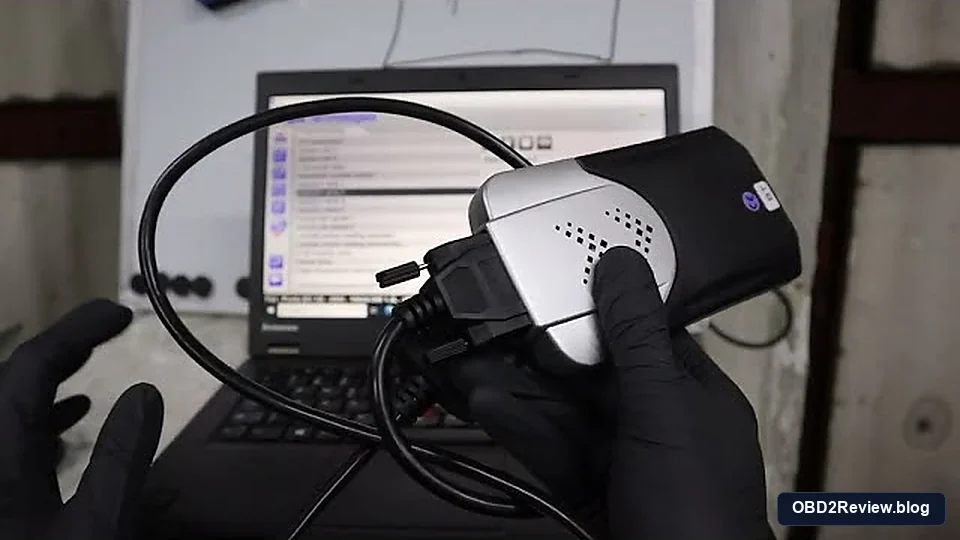
Conversely, standard monitoring units only ingest incoming data streams. A unidirectional obd2 scanner works differently than options found in our best obd2 scanner with bidirectional control roundup for advanced automotive diagnostics.
Professional shops rely heavily on active test routines to isolate mechanical failures quickly. Knowing these fundamental boundaries helps technicians select the right hardware for specific workshop workloads and electrical testing needs.
Unidirectional diagnostic interfaces rely primarily on passive data query loops, reading parameter IDs via standard ISO-15765 protocols without modifying internal module states or executing direct actuator commands on the vehicle network.
Conversely, bidirectional units incorporate complex transceiver chips and expanded memory buffers to transmit specific control frames, forcing Electronic Control Units to execute functional tests and cycle internal components during troubleshooting.
Engineers must evaluate the internal processor architecture, noting that bidirectional models require faster dual-core processors to process heavy CAN-FD communication streams without dropping crucial diagnostic trouble code packets.
- Active communication enables remote component actuation.
- Passive monitoring protects sensitive vehicle control modules.
- Hardware complexity scales directly with functional capability.
Signal Flow and Command Execution Paths
Data packets travel across the Controller Area Network bus continuously. Active command injection forces modules to respond to specific stimuli. This process requires robust processing power and specialized firmware protocols.
Standard readers process incoming PID streams without generating return packets. Minimizing transmission complexity reduces hardware costs and eliminates accidental module re-flashing risks during routine vehicle inspections.
- CAN bus topology dictates command execution speeds.
- Passive units prevent accidental powertrain parameter corruptions.
Evaluating Active Actuation Versus Passive Monitoring
Diagnostic precision often hinges on your ability to force component operation. Exploring the best obd2 scanner options lets mechanics verify fuel injector pulses or ABS pump cycles instantly without risking errors.
When troubleshooting intermittent faults, forcing an EGR valve open proves invaluable. Bi-directional control eliminates guesswork by isolating faulty actuators from wiring harness issues. Passive readers only show static DTC codes.
Choosing between these operational modes depends on your diagnostic scope. Routine maintenance rarely requires active testing, making basic code readers sufficient for simple garage tasks and quick emissions readiness checks.
Passive monitoring observes sensor telemetry in real-time, allowing technicians to view live data streams like fuel trim percentages and coolant temperatures without altering the operational parameters of the engine.
Active actuation steps beyond observation by letting operators command specific components, such as purging EVAP solenoids or cycling ABS modulator pumps, to verify mechanical integrity independently of computer sensor feedback.
Technicians diagnosing complex drivability anomalies rely heavily on bi-directional actuation routines to isolate whether a fault originates from a failing electrical actuator or a blocked fluid passage within the assembly.
- Forcing component actuation isolates mechanical versus electrical failures.
- Passive monitoring limits troubleshooting to sensor data interpretation.
- Advanced testing reduces overall diagnostic time in busy shops.
Real-World Troubleshooting Scenarios
Consider diagnosing a non-responsive cooling fan circuit in a modern sedan. Active output control lets you spin the fan immediately via the touchscreen. Passive readers require manual relay jumping and circuit probing.
Efficiency gains multiply when technicians handle complex electrical gremlins daily. Advanced diagnostic tablets pay for themselves by cutting down hour-long diagnostic procedures into rapid five-minute verification tests.
- Direct component activation speeds up diagnostic verification.
- Manual probing remains tedious compared to digital actuation.
Hardware Ergonomics and Workshop Durability Standards
Workshop environments demand ruggedized hardware that withstands grease and drops. Tablet-style diagnostic units feature reinforced rubber bumpers and large touchscreens. These heavy enclosures house powerful internal processors and batteries.
Handheld code readers prioritize portability and pocket-friendly dimensions. Reviewing the best professional obd2 scanner models reveals simple LCD screens and tactile keypads that resist harsh shop environments reliably.
Ergonomic considerations directly impact daily technician productivity and fatigue levels. Heavy tablets require secure mounting arms, while compact handheld tools easily slip into coverall pockets during quick multi-point inspections.
Workshop environments demand robust mechanical enclosures featuring thick thermoplastic elastomer overmolds that absorb heavy impacts when dropped onto concrete floors from standard bench heights during busy repair shifts.
Ergonomic grip angles reduce wrist fatigue during extended diagnostic sessions, while recessed cable attachment points prevent strain on the primary DB15 connector pins when the diagnostic tool dangles freely.
Screen protection standards require impact-resistant Gorilla Glass or thick polycarbonate lenses sealed against moisture ingress, ensuring capacitive touch panels remain fully functional despite greasy fingerprints and chemical solvent exposure.
- Ruggedized housings protect delicate internal logic boards.
- Compact handheld layouts maximize portability in tight engine bays.
- Physical interface choices dictate long-term user comfort.
Display Technology and Physical Input Controls
High-resolution touchscreens simplify navigating complex menu trees and graphing data. Capacitive glass panels offer smartphone-like responsiveness for professional mechanics. Physical buttons remain preferable when wearing greasy workshop gloves.
Cost-effective unidirectional models rely on monochrome screens and clicky rubber buttons. This dependable combination ensures readability in direct sunlight without complex digitizer failure vulnerabilities.
- Touchscreens provide superior data graphing capabilities.
- Physical buttons ensure reliable operation with oily hands.
Software Subscriptions, Firmware Updates, and Ongoing Costs
Diagnostic equipment requires regular software updates to cover newly released vehicle models. Advanced bidirectional platforms often utilize annual subscription models to maintain deep module coverage. These ongoing fees can add up quickly for independent shops.
Simple code readers usually feature free lifetime firmware updates for basic protocols. Choosing the best budget obd2 scanner avoids recurring expenses by focusing solely on standardized OBD-II emission parameters.
Weighing long-term software costs against diagnostic capabilities is crucial for budgeting. Professional tools demand continuous financial investment, whereas basic readers offer predictable, one-time purchase economics for casual home mechanics.
Diagnostic software maintenance requires regular firmware updates to maintain compatibility with emerging vehicle gateway security modules and newly introduced encrypted communication protocols mandated by major automotive manufacturers globally.
Unidirectional tool updates are often bundled freely for the lifetime of the hardware, whereas advanced bidirectional platforms frequently rely on annual subscription renewals to deliver ongoing coverage expansions and special functions.
Fleet managers must calculate total cost of ownership carefully, balancing initial hardware investments against mandatory renewal fees required to access proprietary bi-directional routines for late-model commercial vehicles.
- Subscription models keep vehicle coverage databases current.
- Free lifetime updates lower the total cost of ownership.
- Database depth directly reflects software maintenance investments.
Navigating Proprietary Protocols and Gateway Security
Modern vehicles utilize secure gateways to prevent unauthorized network intrusion. Authenticated diagnostic software allows bidirectional scanners to bypass secure modules legally. Unidirectional tools may fail on newer FCA or Renault platforms.
Understanding security gateway requirements prevents costly tool incompatibility issues. Professional repair facilities must invest in updated subscription tiers to service modern protected vehicle architectures efficiently.
- Secure gateways restrict unauthorized module programming attempts.
- Authentication subscriptions unlock restricted vehicle systems.
Power Management, Battery Drain, and Electrical Safety
Diagnostic tools draw operating power directly from the vehicle data link connector. High-power diagnostic tablets incorporate internal lithium batteries to prevent voltage drop resets. This design ensures stable communication during long programming sessions.
Basic handheld units rely entirely on vehicle port power without internal cells. A unidirectional obd2 scanner presents minimal parasitic draw risks, making it safe for prolonged static monitoring tasks. Proper fusing protects vehicle circuits.
Electrical safety standards prevent accidental ECU damage during erratic power fluctuations. Quality equipment includes robust optocouplers and voltage regulators to safeguard sensitive automotive microprocessors from power surges.
OBD2 scan tools draw operating current directly from the vehicle data link connector pin sixteen, requiring efficient internal power regulation to prevent excessive parasitic draw on resting vehicle batteries overnight.
High-drain bidirectional tablets incorporate integrated lithium-ion battery packs that buffer electrical power demands during intensive module programming sessions, safeguarding against voltage drops that could brick sensitive control modules.
Electrical isolation circuits protect the diagnostic hardware from unexpected voltage spikes, preventing back-feeding currents from damaging the internal logic board when testing high-voltage hybrid or electric vehicle architecture systems.
- Internal batteries prevent data loss during ignition key cycles.
- Low parasitic draw protects vehicle starting batteries.
- Built-in circuit protection prevents costly electronic module damage.
Voltage Regulation and Diagnostic Stability
Stable bus voltage is mandatory when flashing firmware or commanding actuators. Advanced voltage monitors alert technicians to weak vehicle batteries before testing begins. Preventative warnings stop unexpected mid-flash module bricking.
Simpler diagnostic tools lack advanced voltage sensing circuits and rely on user vigilance. Keeping a battery maintainer connected during testing remains best practice for all heavy diagnostic procedures.
- Voltage monitoring prevents interrupted diagnostic sessions.
- External chargers safeguard vehicle electronics during extended tests.
Matching Tool Capability to Your Specific Automotive Workflow
Selecting the right tool requires analyzing your typical vehicle repair volume. Professional repair shops require full bidirectional control for comprehensive drivability diagnostics. Without active testing capabilities, complex electrical repairs take significantly longer.
Home DIY enthusiasts working on older vehicles rarely need active module commands. A unidirectional obd2 scanner handles oil reset lights and basic code reading perfectly. Matching tool power to daily tasks prevents unnecessary spending.
Evaluating your mechanical proficiency helps determine the ideal diagnostic investment level. Investing in sophisticated hardware before mastering basic electrical principles leads to frustration and underutilized equipment in your toolbox.
Professional mechanics servicing diverse vehicle makes daily must invest in bidirectional diagnostic platforms featuring comprehensive actuation menus, topology mapping, and robust ECU coding capabilities to maximize shop efficiency.
Conversely, weekend DIY enthusiasts performing basic maintenance tasks like reading generic trouble codes and resetting oil change lights will find reliable unidirectional code readers perfectly adequate for their garage needs.
Evaluating your specific diagnostic frequency, vehicle year ranges, and repair complexity ensures you select an interface that delivers maximum engineering utility without paying for advanced functions you will never utilize.
- High-volume shops recover investments in advanced diagnostic tools quickly.
- Home mechanics benefit from simple, dependable code reading hardware.
- Tool selection should align with current technical skill levels.
Future-Proofing Your Garage Diagnostic Equipment
Automotive technology evolves rapidly with increased computer integration across all systems. Scalable diagnostic platforms allow users to add brand-specific software packages over time. This modular approach protects your initial hardware investment.
Basic scanners offer limited upgrade paths due to hardware memory constraints. Purchasing a slightly more capable tool than currently needed helps accommodate future vehicle acquisitions and evolving diagnostic requirements.
- Modular software expands tool utility over multiple years.
- Hardware memory limits constrain long-term device upgradeability.
Frequently Asked Questions
What is the primary operational difference between these two diagnostic categories?
Bidirectional scanners actively command vehicle actuators and subsystems to test functionality. A unidirectional obd2 scanner only reads live sensor data and diagnostic trouble codes without sending return signals.
Can a basic code reader perform electronic parking brake service modes?
Most basic unidirectional readers lack the advanced software necessary for electronic parking brake retraction. You generally need a bidirectional tool to safely retract caliper motors during rear brake pad replacements.
Are ongoing software subscription fees required to keep diagnostic scanners operational?
Advanced active tools often use annual subscriptions for vehicle database updates. A unidirectional obd2 scanner typically offers lifetime free updates for basic emissions protocols without recurring costs.
Do professional mechanics exclusively use bidirectional diagnostic tablets in their shops?
Professional technicians rely heavily on active testing tablets for complex electrical troubleshooting. However, they often keep a compact handheld reader nearby for quick code clearing and basic emission checks.
Will using an active diagnostic tool accidentally damage my vehicle computer?
Quality tools feature robust circuit protection and secure communication protocols to prevent module corruption. Following proper operating guidelines ensures safe actuation testing without risking permanent powertrain computer damage.