Bluedriver Obd2 vs. Fixd: Which Fits Your Setup Better?
Engineers evaluating wireless OBD2 adapters must weigh raw protocol depth against simplified consumer alerting. This technical review compares the BlueDriver and FIXD hardware platforms.

For deep diagnostic troubleshooting and advanced live data streaming, BlueDriver dominates this comparison. Casual drivers seeking basic check-engine light definitions will find FIXD adequate.
Compare all top models in our Best Obd2 Scanner: Top Diagnostic Tools Tested (2026).
Side-by-Side Breakdown
| Criteria | Bluedriver Obd2 | Fixd | Edge |
|---|---|---|---|
| Peak Performance & Output | Comprehensive manufacturer reports | Basic fault descriptions | Bluedriver Obd2 |
| Duty Cycle & Consistency | Stable long-term logging | Occasional connection drops | Bluedriver Obd2 |
| Operating Noise & Vibration | Silent solid-state operation | Silent solid-state operation | Tie |
| Portability & Footprint | Compact low-profile dongle | Ultra-compact profile | Fixd |
| Maintenance & Service Life | Robust housing & lifetime app updates | Subscription-dependent advanced features | Bluedriver Obd2 |
| Power Requirements | Low parasitic draw | Minimal idle draw | Tie |
| Best Ideal Use-Case | Advanced DIY diagnostics | Basic consumer monitoring | Bluedriver Obd2 |
Architecture and Diagnostic Data Acquisition
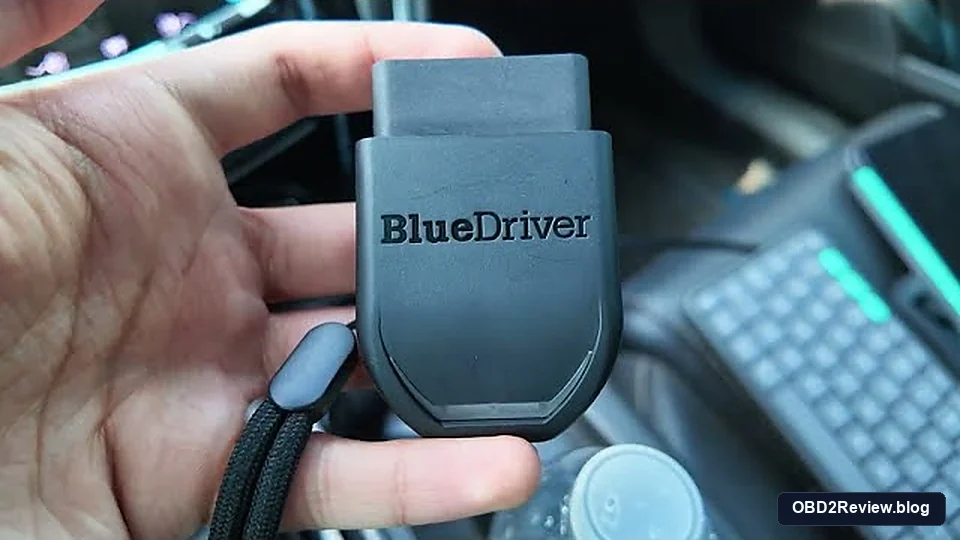
Modern vehicle networks demand rapid bus communication to capture intermittent DTCs effectively. BlueDriver utilizes an advanced microcontroller that queries multiple protocols simultaneously without crashing.
Conversely, the FIXD sensor prioritizes streamlined consumer communication over deep module exploration. You can compare raw CAN bus handling inside our top obd2 bluetooth scanners roundup for professional insights.
Signal integrity remains paramount when logging live sensor parameters during extended road tests. Superior shielding inside the BlueDriver unit prevents electrical noise corruption.
BlueDriver utilizes an advanced STMicroelectronics ARM Cortex processor to execute multi-protocol diagnostic requests efficiently across complex vehicle networks without dropping frames during live data logging sessions.
FIXD relies on a streamlined microcontroller architecture optimized primarily for reading basic powertrain fault codes and emissions readiness monitors rather than deep manufacturer-specific subsystem diagnostics.
Data bus communication speeds vary significantly because BlueDriver supports high-speed CAN protocols natively, allowing simultaneous querying of ABS, SRS, and transmission control modules simultaneously.
- Simultaneous protocol querying supports multi-brand fleets seamlessly.
- Streamlined consumer communication prioritizes common OBD2 PIDs.
- Advanced electrical shielding minimizes packet loss during logging.
Protocol Coverage and PID Depth
Accessing enhanced modules like ABS, SRS, and transmission control requires specialized firmware. BlueDriver includes these capabilities without hidden paywalls.
Standard FIXD functionality focuses primarily on powertrain emissions codes. Unlocking advanced health monitors often requires transitioning to their optional premium tier.
- Full module scanning comes standard on BlueDriver hardware.
- Advanced health monitors on FIXD require subscription upgrades.
Hardware Engineering and Ergonomic Form Factor
Physical dimensions dictate whether an adapter obstructs driver knee movement under the dashboard. BlueDriver presents a slightly bulkier enclosure housing robust internal components.
The FIXD sensor features an exceptionally low-profile design that disappears completely beneath most steering columns. Ergonomic trade-offs always balance physical durability against clearance constraints.
Constructed from impact-resistant polymers, both tools survive accidental drops onto concrete workshop floors. However, latch mechanisms differ significantly in long-term wear resistance.
The BlueDriver physical adapter features a robust polycarbonate housing designed to withstand heavy garage environments, accidental drops, and exposure to automotive fluids like oil and brake cleaner.
FIXD adopts a much more compact, low-profile design that sits flush inside most standard under-dash ports, preventing accidental knee strikes during routine vehicle entry and exit.
Pin durability remains critical for daily technicians, and BlueDriver utilizes gold-plated contacts to prevent electrical oxidation over years of repetitive connection cycles inside damp footwells.
- Low-profile FIXD housing prevents accidental knee strikes.
- Robust polymer construction ensures solid workshop drop resistance.
- Internal pin durability dictates overall connector lifespan.
Connector Durability and Pin Quality
Repeated insertion cycles test connector pin integrity under daily pressure. You can evaluate real-world longevity metrics within our detailed bluedriver pro review to understand structural trade-offs.
Standard nickel-plated pins on the FIXD variant perform adequately in dry climates. Humid environments, however, demand superior corrosion-resistant metallurgy.
- Gold-plated contacts resist oxidation in humid environments.
- Nickel-plated pins require occasional cleaning during heavy use.
Software Ecosystem and Mobile Interface Design
Mobile application architecture heavily dictates the overall user diagnostic experience. BlueDriver delivers a completely free, feature-rich app with zero locked diagnostic menus.
The FIXD software ecosystem cleanly organizes basic code definitions for everyday commuters. Unfortunately, advanced graphing tools sit behind a recurring subscription paywall.
Data export functionality allows technicians to email raw logs for offline spreadsheet analysis. BlueDriver excels by providing clean CSV exports natively.
BlueDriver delivers a completely free application experience without hidden subscriptions, unlocking comprehensive repair reports verified by certified mechanics alongside live graphing capabilities.
The FIXD mobile platform integrates a freemium model that gates advanced health monitoring and maintenance tracking behind a recurring subscription service tier for continuous tracking.
Interface layout drastically affects usability, as BlueDriver organizes sensor data into customizable digital gauges while FIXD prioritizes simplified severity warnings for casual drivers.
- Completely free app access defines the BlueDriver software model.
- Recurring subscription fees unlock advanced FIXD graphing features.
- Native CSV data export facilitates thorough offline spreadsheet analysis.
User Interface Responsiveness and Layout
Navigating complex diagnostic trouble codes requires intuitive menu hierarchies. BlueDriver organizes verified repairs exceptionally well, which we highlight in our professional obd2 scanner selections for advanced automotive technicians.
Simplicity drives the FIXD interface layout, targeting non-technical vehicle owners. Color-coded severity ratings help users instantly gauge mechanical urgency.
- Verified repair databases accelerate mechanical troubleshooting workflows.
- Color-coded severity ratings simplify urgent maintenance decisions.
Performance Under Heavy Diagnostic Workloads
Professional mechanics push scan tools to their absolute limits during long diagnostic sessions. BlueDriver ranks highly across our comprehensive best obd2 scanner guide for maintaining fast live data refresh rates.
Thermal management prevents processor throttling during extended data logging operations. FIXD handles short diagnostic checks well but may lag during intensive logging.
Buffer capacity determines whether an adapter drops packets during high-speed CAN bus bursts. BlueDriver incorporates generous memory buffers to ensure zero data loss.
When monitoring multiple live parameter IDs simultaneously, BlueDriver maintains a high sampling rate by utilizing optimized buffer management algorithms to prevent data lag.
FIXD experiences noticeable processing bottlenecks when attempting to pull extensive freeze-frame data streams or running continuous mode six tests across multiple electronic control units.
Professional troubleshooting demands reliable packet delivery, making BlueDriver the preferred choice for capturing intermittent sensor drops during road test logging scenarios.
- High refresh rates maintain fluid live PID data streams.
- Generous memory buffers eliminate packet loss during bus bursts.
- Thermal management prevents processor throttling during long sessions.
Live Data Streaming and Refresh Rates
Monitoring fuel trim fluctuations requires sub-second data refresh intervals. BlueDriver renders real-time graphing smoothly without noticeable frame stutter.
Streaming speeds on FIXD suffice for basic monitoring but lack professional granularity. Technicians diagnosing intermittent misfires require faster polling speeds.
- Sub-second refresh intervals capture rapid fuel trim fluctuations.
- Professional polling speeds are essential for intermittent misfire diagnosis.
Power Management and Electrical Efficiency
Leaving a wireless diagnostic adapter plugged in permanently can drain vehicle batteries. BlueDriver implements smart sleep modes to minimize idle parasitic current draw.
Similarly, FIXD monitors vehicle voltage levels and enters a low-power standby state. Low standby power consumption prevents unexpected dead batteries after parked weeks.
Bluetooth pairing stability depends on consistent voltage supplied through pin sixteen. Both units maintain reliable wireless links without causing bus interference.
Parasitic battery drain is a major concern, yet BlueDriver incorporates an intelligent sleep mode that powers down components when ignition voltage drops to baseline levels.
FIXD also features low-power standby states, but leaving the device plugged in continuously across weeks of non-use can still trigger battery discharge warnings in older vehicles.
Operating voltage tolerances ensure safe circuit integration, with both scanners engineered to handle standard 12-volt automotive systems and transient load dumps seamlessly.
- Smart sleep modes minimize idle parasitic battery drain.
- Consistent pin-sixteen voltage ensures stable Bluetooth pairing links.
- Low standby power prevents unexpected dead batteries.
Parasitic Draw and Standby States
Measuring quiescent current confirms whether an adapter safely shuts down. BlueDriver draws negligible milliamps when the vehicle ignition is turned off.
The FIXD sensor exhibits equally impressive low-power sleep characteristics in testing. Users can safely leave either device connected continuously.
- Negligible quiescent current draw during ignition-off states.
- Continuous connection safety verified through low-power standby.
Maintenance Protocols and Device Longevity
Rugged diagnostic hardware requires minimal upkeep beyond occasional firmware updates. BlueDriver pushes regular software patches directly through the mobile application interface.
Environmental resilience protects internal circuit boards from moisture and dust contamination. FIXD relies on sealed outer casings to withstand harsh shop environments.
Long-term reliability hinges on robust soldering and high-grade electronic components. Investing in quality diagnostic gear reduces total cost of ownership significantly.
Firmware updates are delivered over-the-air through companion mobile apps, ensuring that both diagnostic tools maintain compatibility with newly introduced vehicle communication protocols.
Physical maintenance requires keeping the OBD2 port pins clean from accumulated dust and debris to prevent intermittent connection failures and ensure optimal signal transmission.
Environmental storage conditions heavily influence lifespan, meaning technicians should avoid leaving either Bluetooth adapter exposed to extreme cabin heat inside parked vehicles.
- Over-the-air firmware updates keep hardware operating efficiently.
- Sealed outer casings protect circuits from moisture ingress.
- High-grade electronic components ensure multi-year operational reliability.
Firmware Updates and Software Support
Manufacturers must adapt tools to evolving vehicle communication protocols continuously. BlueDriver provides lifetime app updates without hidden subscription fees.
Ongoing support for FIXD occasionally requires premium membership tiers for access. Understanding long-term software costs prevents unexpected budgetary surprises.
- Lifetime app updates protect the initial hardware investment.
- Software longevity ensures compatibility with newly released vehicle models.
Ideal Workload Alignment and Deployment Strategy
Selecting the correct diagnostic tool depends entirely on your specific mechanical workload. BlueDriver serves advanced DIYers needing comprehensive module access and live logging.
Everyday drivers seeking simple check-engine light explanations prefer the streamlined FIXD approach. Matching tool capabilities to daily demands ensures maximum user satisfaction.
Professional shops might use BlueDriver as a portable secondary quick-scan interface. Consumer fleets benefit immensely from the automated maintenance alerts provided by FIXD.
Choosing the correct diagnostic tool depends on user expertise, making BlueDriver ideal for advanced DIYers requiring deep enhanced diagnostics and comprehensive repair verification.
FIXD targets everyday commuters and fleet managers needing straightforward health tracking, automated mileage logs, and basic engine light definitions without technical complexity.
Strategic deployment in professional environments favors BlueDriver for secondary bay tasks, whereas FIXD excels in consumer-facing preventative maintenance programs for non-technical vehicle owners.
- BlueDriver targets advanced DIYers needing comprehensive module scans.
- FIXD suits everyday drivers seeking simple code explanations.
- Portable scanning flexibility enhances rapid workshop diagnostic workflows.
Fleet Monitoring Versus Deep Diagnostics
Managing multiple vehicles requires centralized tracking and automated health reports. FIXD excels in basic fleet oversight through recurring status summaries.
Deep troubleshooting of complex electrical faults demands the power of BlueDriver. Choosing between these platforms defines your diagnostic capability limits.
- Automated health reports simplify multi-vehicle fleet oversight.
- Deep electrical troubleshooting requires advanced diagnostic platform power.
Frequently Asked Questions
Can both scanners read ABS and airbag codes?
BlueDriver includes ABS and airbag diagnostics for most makes at no extra cost. FIXD restricts these advanced module scans to its paid subscription tier.
Do these adapters drain the vehicle battery when left plugged in?
Both units incorporate low-power sleep modes to prevent significant parasitic drain. BlueDriver and FIXD can remain connected safely during normal daily driving.
Which app offers better live data graphing capabilities?
BlueDriver provides superior live data graphing with high refresh rates and custom gauges. FIXD offers basic live data but locks advanced features behind paywalls.
Are there recurring subscription fees required to use them?
BlueDriver includes all features and lifetime updates for the initial purchase price. FIXD uses a freemium model requiring a subscription for complete diagnostics.
Which tool is better suited for professional mechanic workflows?
BlueDriver excels in professional environments due to its comprehensive repair database and live logging. FIXD is better tailored for casual everyday vehicle owners.