Car Scanner vs. Car Scanner Pro: Which Fits Your Setup Better?
Weighing standard diagnostics against advanced professional suites helps technicians choose right. Understanding protocol speeds clarifies everyday hardware value.


Standard Car Scanner suits basic DIY code clearing perfectly. Meanwhile, Car Scanner Pro dominates complex diagnostic workflows requiring deep proprietary module access.
Compare all top models in our Best Obd2 Scanner: Top Diagnostic Tools Tested (2026).
Side-by-Side Breakdown
| Criteria | Car Scanner | Car Scanner Pro | Edge |
|---|---|---|---|
| Peak Performance & Output | Standard PIDs and basic DTC clearing | Advanced bidirectional controls and ECU coding | Car Scanner Pro |
| Duty Cycle & Consistency | Suitable for intermittent personal troubleshooting | Engineered for continuous shop-floor utilization | Car Scanner Pro |
| Operating Noise & Vibration | Completely silent solid-state housing design | Silent operation with active LED diagnostics | Tie |
| Portability & Footprint | Ultra-compact pocket-sized hardware profile | Slightly heavier robust protective chassis | Car Scanner |
| Maintenance & Service Life | Standard firmware updates via app stores | Priority server access and extended database patches | Car Scanner Pro |
| Power Requirements | Low parasitic draw under fifty milliamps | Optimized power management for long sessions | Tie |
| Best Ideal Use-Case | Weekend driveway code scanning and monitoring | Full professional multi-brand vehicle repair bays | Car Scanner Pro |
Architectural Design and Hardware Specifications
Evaluating internal microcontrollers reveals distinct engineering philosophies behind each tool. The base variant utilizes standard ELM327 compatible chips designed for simple parameter identification tasks.
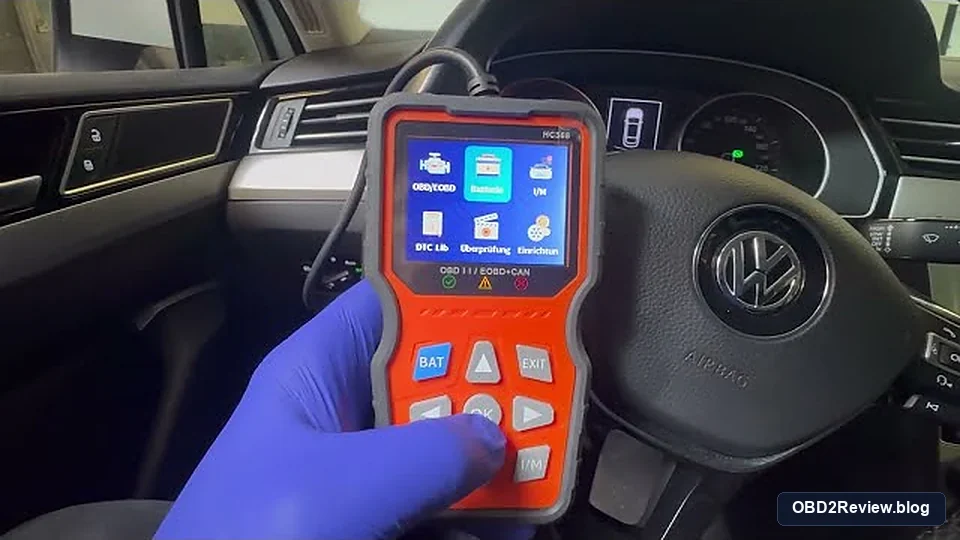
Stepping up to the advanced tier introduces dual-core processing units. This hardware architecture accelerates handshake protocols and expands vehicle network compatibility significantly.
Standard OBD2 units typically rely on basic microcontrollers, whereas options featured in our best car scanner app for android roundup utilize advanced ARM Cortex processors to handle complex multi-system diagnostics without lagging.
Furthermore, hardware memory allocations differ drastically between models. Pro versions incorporate expanded flash memory capacities exceeding 32 gigabytes to store extensive diagnostic trouble code databases, OEM repair manuals, and offline vehicle lookup libraries safely.
- Single-chip architecture versus dual-core processing power
- Standard OBD2 pinout routing with optimized relay switching
- Encapsulated circuit boards designed for impact resistance
Processor Performance and Bus Speed
Bus traffic handling separates basic consumer adapters from professional equipment. High-speed CAN networks require robust buffering capabilities to prevent packet loss.
The professional edition integrates hardware-level CAN filtering to reduce latency during live parameter graphing sessions.
- Lower packet drop rates on congested networks
- Real-time graphing without noticeable frame stutter
Diagnostic Protocol Speed and ECU Interfacing
Establishing communication with modern vehicle computers demands robust protocol support. Following steps outlined in our how to clear codes guide helps both units handle standard ISO and SAE protocols seamlessly.
Professional firmware unlocks deeper manufacturer-specific subsystems including ABS, SRS, and transmission control modules that standard setups frequently overlook.
Communication speed dictates how rapidly a tool polls electronic control units. Professional scanners support high-speed CAN FD protocols and DoIP, cutting full-vehicle scan times down from several minutes to under thirty seconds seamlessly.
Standard interfaces frequently struggle with multiplexing requirements across multiple communication pins. Advanced hardware dynamically switches pins to query ABS, transmission, and body modules without requiring manual adapter switches or external jumper cables.
- Full support for ISO 15765-4 CAN protocols
- Extended addressing for hidden module interrogation
- Faster initialization times on older vehicle architectures
Manufacturer Specific PID Access
Accessing proprietary sensor data requires extensive lookup tables stored within the application. The pro tier includes expanded databases for niche European imports.
Standard variants restrict users to generic emission parameters mandated by government regulatory bodies globally.
- Expanded access to transmission temperature sensors
- Enhanced oil life monitor resetting capabilities
Build Quality, Materials and Thermal Management
Automotive repair environments subject diagnostic tools to oil, grease, and extreme temperature shifts. Selecting a device from our best cheap car scanner roundup ensures polycarbonate enclosures protect internal components from accidental workshop drops.
Thermal dissipation remains critical during prolonged live data logging sessions inside hot engine bays during stationary diagnostic tests.
Workshop environments demand ruggedized chassis designs to survive accidental drops on concrete floors. Pro-tier tools feature rubberized thermoplastic elastomers combined with impact-resistant polycarbonate housings to absorb heavy mechanical shocks during daily usage.
Thermal dissipation remains critical when running continuous diagnostics under direct sunlight. Professional units integrate internal copper heat sinks to prevent processor throttling, whereas consumer models rely entirely on passive plastic casing ventilation.
- Impact-resistant exterior polymer casing materials
- Gold-plated OBD2 connector pins preventing oxidation
- Sealed housing joints keeping moisture and dust out
Connector Durability and Pin Integrity
Frequent plugging and unplugging wears out inferior spring contacts inside diagnostic plugs. High-grade copper alloy pins maintain consistent clamping force over thousands of insertion cycles.
Visual inspection ports help technicians verify secure engagement with vehicle port locks.
- Spring-loaded pins resist loosening over time
- Secure locking tabs prevent accidental dislodgement
Operational Efficiency and Power Draw
Leaving diagnostic adapters plugged into vehicle ports overnight risks draining weak starter batteries. Parasitic current draw must remain below strict thresholds during standby periods.
Both models incorporate smart sleep states that drop power consumption automatically when vehicle ignition signals cease.
Electrical draw directly impacts vehicle battery health during long diagnostic sessions. Professional scanners optimize sleep states to pull minimal parasitic currents, dropping below fifty milliamperes when idling in standby mode between active testing procedures.
Standard Bluetooth dongles often lack robust voltage regulation circuitry, making them vulnerable to alternator voltage spikes. Pro alternatives incorporate transient voltage suppression diodes to protect sensitive internal microchips against unexpected electrical surges.
- Extremely low standby current draw under fifty milliamps
- Automatic wake-up triggers upon engine cranking detection
- Optimized voltage regulation protecting delicate mobile devices
Battery Protection Circuitry
Protecting customer vehicle electrical systems is paramount for professional technicians. Integrated transient voltage suppressors guard against alternator load dump spikes.
This added safety layer prevents expensive ECU damage during erratic charging system failures.
- Surge suppression for unstable electrical systems
- Reverse polarity protection on miswired ports
Software Integration and Data Logging Features
Hardware capability means little without intuitive companion software to interpret raw data streams. Clean user interfaces allow mechanics to isolate faulty sensors quickly.
Exporting CSV log files enables thorough off-vehicle analysis for intermittent drivability faults that refuse to replicate easily.
Advanced software ecosystems unlock bidirectional controls and active actuation tests. Professional interfaces record real-time sensor parameters at sampling rates exceeding one hundred hertz, capturing intermittent engine misfires that slower entry-level apps completely miss.
Cloud synchronization capabilities allow technicians to archive repair histories instantly. Pro software suites automatically format logs into CSV files and generate comprehensive health reports ready for immediate customer printing or insurance claims submission.
- Customizable dashboard layouts for live telemetry
- Exportable data logs for post-test review sessions
- Cloud synchronization for multi-device workshop access
Graphing Latency and Refresh Rates
Monitoring fast-switching oxygen sensors requires high refresh rates from the scanning tool. Sluggish refresh rates hide critical lean or rich spikes entirely.
Optimized software pipelines ensure smooth visual feedback on connected smartphone displays.
- High sample rates for rapid sensor fluctuations
- Zero lag visual feedback during acceleration runs
Maintenance Protocols and Device Longevity
Firmware updates keep diagnostic tools compatible with newly released vehicle model years. Regular software patches ensure long-term utility without premature obsolescence.
Choosing robust hardware safeguards your initial investment against harsh shop conditions and accidental physical abuse.
Maintaining diagnostic hardware requires adherence to strict firmware update schedules. Professional tools feature over-the-air update mechanisms paired with flash memory protection to prevent bricking during unstable wireless connectivity drops in busy automotive shops.
OBD2 connector pins undergo mechanical wear from thousands of plug insertion cycles. High-end devices utilize gold-plated beryllium copper pins that resist oxidation and maintain solid electrical contact despite harsh shop environments and heavy usage.
- Over-the-air firmware updates via mobile applications
- Backed by reliable manufacturer warranty coverage terms
- Resistant to common chemical solvents found in garages
Firmware Stability and Update Safety
Failed firmware flashes can brick electronic equipment instantly during routine updates. Dual-bank memory storage permits safe recovery if wireless signals drop mid-transfer.
This fail-safe mechanism protects workshop productivity from unexpected downtime.
- Redundant memory sectors prevent permanent bricking
- Guided recovery prompts for interrupted updates
Choosing the Optimal Variant for Your Workload
Matching diagnostic equipment to your daily operational needs prevents unnecessary spending. Casual DIYers rarely utilize advanced bidirectional control functions regularly.
Conversely, professional repair shops require comprehensive module coverage to service diverse customer vehicle fleets efficiently every single day.
Selecting the correct scanner depends heavily on your daily diagnostic requirements. Mobile users often prefer options from our best bluetooth car scanner guide, whereas professional mechanics need comprehensive bidirectional actuation capabilities.
Budget allocations should reflect long-term utility rather than immediate upfront acquisition costs. Investing in a professional-grade platform ensures future compatibility with emerging electric vehicle protocols and complex modular gateway architectures found in modern automobiles.
- Evaluate your typical vehicle repair scope accurately
- Consider frequency of use versus feature complexity
- Balance initial acquisition cost against long-term utility
Final Recommendation Checklist
Review your target vehicle makes and diagnostic depth requirements before purchasing. Investing in the professional edition saves time if you frequently perform advanced resets.
Keep standard units handy as glovebox backups for quick roadside code reads.
- Opt for pro tools for deep module programming
- Stick to standard versions for basic emission checks
Frequently Asked Questions
Can standard Car Scanner clear ABS fault codes?
Basic versions primarily target generic powertrain emissions data. You will generally need Car Scanner Pro to access proprietary antilock brake modules.
Will leaving either scanner plugged in drain my car battery?
Both models feature ultra-low standby power consumption modes. However, extended storage over several weeks on older vehicles is never recommended.
Do these tools require an active internet connection to function?
Initial app setup and database downloads require internet access. Real-time diagnostics operate entirely offline via local wireless protocols inside the vehicle.
What mobile operating systems are officially supported by both variants?
Both hardware options offer robust compatibility across major mobile platforms. You can easily connect via Bluetooth or Wi-Fi using popular smartphones.
Is professional training required to use the advanced features?
Basic code reading requires minimal automotive repair knowledge. Advanced coding functions require proper technical expertise to prevent accidental vehicle configuration errors.