Eobd vs. Obd: Which Fits Your Setup Better?
Navigating regional diagnostic standards requires understanding strict protocol differences. Choosing between these frameworks optimizes your diagnostic efficiency and hardware investment.


EOBD systems excel in European regulatory compliance and localized emissions testing. Meanwhile, generic OBD architectures offer broader global coverage for standard powertrain diagnostics.
Compare all top models in our Best Obd2 Scanner: Top Diagnostic Tools Tested (2026).
Side-by-Side Breakdown
| Criteria | Eobd | Obd | Edge |
|---|---|---|---|
| Peak Performance & Output | Optimized for European emission cycles | Broad global powertrain mapping | Eobd |
| Duty Cycle & Consistency | Rigorous European standard testing | Universal standardized fault logging | Obd |
| Operating Noise & Vibration | Silent digital signal transmission | Standard low-noise CAN interface | Tie |
| Portability & Footprint | Compact handheld or VCI dongle | Universal 16-pin connector design | Obd |
| Maintenance & Service Life | Firmware dependent on region | High durability across all markets | Obd |
| Power Requirements | Standard 12V vehicle bus power | Standard 12V vehicle bus power | Tie |
| Best Ideal Use-Case | European vehicle repair facilities | General multi-brand workshops | Obd |
Regulatory Frameworks and Protocol Foundations
Understanding regional automotive regulations is essential for proper diagnostic execution. European standards mandate specific parameters that differ significantly from global requirements established elsewhere.
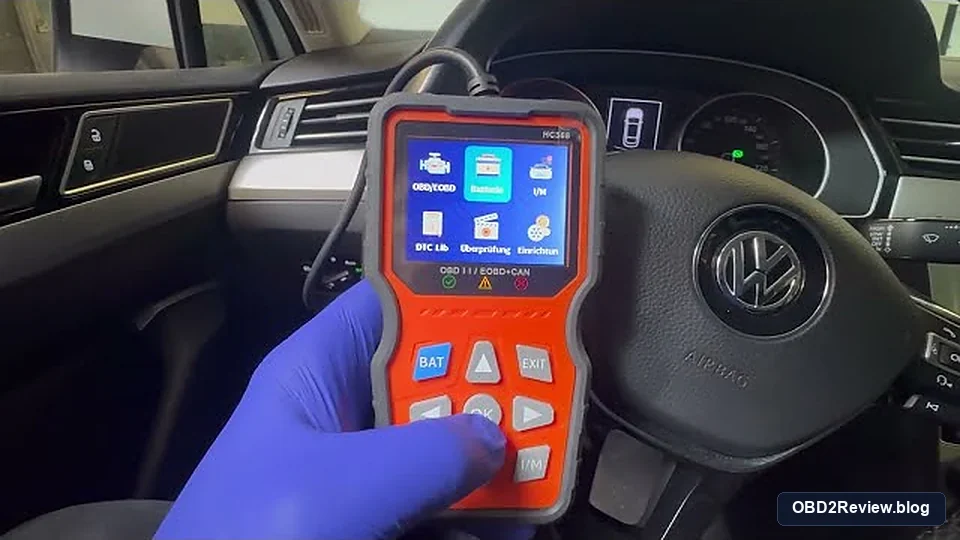
Technicians must recognize foundational protocol divergences before connecting hardware to vehicle data links. Choosing a reliable wireless adapter, like our best obd ii bluetooth scanner options, guarantees proper communication across international automotive architectures.
Regulatory compliance dictates how emission monitors report readiness status during standard inspection procedures.
Understanding regional compliance mandates requires analyzing SAE J1979 standards alongside European directives. While CARB established early baseline rules, European bodies integrated ISO specifications to mandate Euro 3 emissions tracking across member states.
Protocol architecture diverges significantly when comparing older North American interfaces with European implementations. Technicians must evaluate baud rates, message framing, and initialization sequences defined by ISO 14230 versus traditional UART signaling methods.
Cross-continental vehicle imports frequently expose handshake failures during initial diagnostic scanning. Bridging these communication gaps demands firmware capable of dynamically adjusting timing parameters to support both KWP2000 and legacy PWM data links.
- Mandatory European emissions monitoring protocols
- Global baseline diagnostic trouble code structures
- Regional variations in readiness monitor thresholds
- Always verify local emissions standards before selecting protocol adapters.
- Ensure interface firmware supports both ISO and SAE message framing.
Legislative Mandates and Compliance Requirements
Legislative requirements dictate how manufacturers implement diagnostic interfaces within specific geographic markets.
Compliance testing ensures every vehicle meets strict environmental output limits throughout its operational lifecycle.
- Strict European legislative oversight
- Universal baseline compliance parameters
Diagnostic Coverage and Parameter Identifiers
Parameter identifiers, commonly known as PIDs, form the backbone of live data streaming during advanced troubleshooting sessions. Mobile technicians often leverage the best obd ii app for iphone selection to chart these critical sensor parameters wirelessly.
Regional variants assign different priority levels to specific sensor feeds, affecting how quickly technicians isolate intermittent faults.
Comprehensive PID access ensures accurate interpretation of complex engine management systems under heavy load conditions.
Diagnostic trouble codes vary widely between regions due to localized legislative requirements. European systems prioritize comprehensive fuel system monitoring, while North American frameworks often emphasize evaporative emission leak detection cycles using precise pressure sensors.
Parameter identification strings require distinct parsing dictionaries within the scanning software. Engineers configure tools to interpret PID 0x05 engine coolant temperatures alongside specialized exhaust gas recirculation metrics mandated by specific regulatory bodies.
Comprehensive coverage demands multi-layered diagnostic routines that transcend basic emissions testing. Advanced technicians rely on manufacturer-specific extensions to uncover hidden DTCs affecting hybrid powertrain inverters and auxiliary cooling sub-systems.
- Enhanced live data streaming capabilities
- Standardized powertrain sensor mapping
- Custom manufacturer-specific PID integration
- Check PID dictionaries for regional parameter variations.
- Scan for extended DTCs beyond standard powertrain modules.
PID Availability Across Different Regional Models
Accessing specialized sensor data often depends on whether the vehicle uses regional or global communication structures.
Advanced diagnostic scanners must translate these varied identifiers seamlessly to prevent technician misinterpretation.
- Variable sensor feedback loops
- Complex data translation requirements
Hardware Architecture and Signal Integrity
Physical interface design heavily influences signal integrity when transmitting high-speed diagnostic data across the vehicle bus.
Shielded cabling and robust connector pins prevent electromagnetic interference from corrupting critical sensor readings during testing.
Engineers prioritize durable port constructions to withstand thousands of connect and disconnect cycles in busy shops.
Physical layer integrity depends heavily on robust transceiver design and proper line termination. Signal reflections can easily corrupt data packets if the internal circuitry lacks adequate common-mode chokes and transient voltage suppressors.
Pinout configurations inside the diagnostic link connector mandate strict adherence to international standards. Technicians should verify pin 16 battery voltage delivery and check for high-frequency noise on the CAN high data lines.
Shielding against electromagnetic interference remains critical inside modern engine bays. Quality diagnostic interfaces incorporate grounded metallic housings to protect sensitive microcontrollers from radio frequency emissions generated by high-output ignition coils.
- Advanced bus shielding against electrical noise
- Durable gold-plated 16-pin connector interfaces
- Optimized internal microcontroller clock speeds
- Inspect DLC pin 16 voltage during initial tool connection.
- Use shielded cables in high-interference engine compartments.
Physical Interface Durability and Pinout Design
Connector longevity directly impacts daily workflow efficiency in professional automotive repair facilities and service bays.
High-grade materials resist corrosion and physical wear during intensive multi-vehicle diagnostic diagnostic sessions.
- Corrosion-resistant pin coatings
- Reinforced strain relief boots
Data Processing and Real-World Output Performance
Real-world output performance relies on rapid processor execution and efficient memory allocation inside the scanning tool.
Processing large blocks of live telemetry data requires powerful internal hardware to eliminate frustrating interface lag.
Technicians benefit immensely from instantaneous fault code retrieval when diagnosing difficult, multi-system vehicle anomalies.
High-speed data parsing relies on efficient microcontroller architecture and optimized software buffers. Processing live multi-parameter datastreams without latency requires powerful internal processors capable of executing rapid Fourier transforms for signal analysis.
Real-world diagnostic responsiveness dictates how quickly a technician can isolate intermittent faults. Specialized tools like our recommended best obd scanner for volkswagen choices maintain high refresh rates while querying multiple electronic control modules simultaneously.
Output visualization tools must translate raw hexadecimal payloads into actionable mechanical insights. Implementing clear graphical trends helps mechanics instantly recognize erratic sensor behaviors during aggressive road test logging sessions.
- Rapid diagnostic trouble code retrieval speeds
- Zero-lag graphical live data plotting
- Efficient memory buffering for large logs
- Monitor refresh rates when logging multiple live parameters.
- Translate hex payloads into graphical waveforms for clarity.
Execution Speed During Complex Multi-System Scans
Scanning multiple electronic control units simultaneously demands exceptional processing power from the diagnostic equipment.
Optimized software algorithms drastically reduce the time required to complete full vehicle health assessment reports.
- Simultaneous multi-ECU interrogation
- Streamlined diagnostic reporting software
Build Quality, Maintenance, and Physical Durability
Professional workshop environments subject diagnostic tools to severe mechanical abuse, including drops, impacts, and fluid exposure.
Ruggedized housings constructed from impact-resistant polymers protect sensitive internal circuit boards from accidental damage.
Routine maintenance requirements remain minimal when using properly sealed equipment designed for harsh working conditions.
Workshop environments subject diagnostic hardware to severe mechanical stress and chemical exposure. Enclosures constructed from impact-resistant polymers offer essential protection against accidental drops and persistent automotive fluid spills on concrete floors.
Cable assemblies represent the most frequent point of failure in handheld diagnostic tools. Technicians should regularly inspect strain reliefs and test cable resistance to prevent intermittent connection drops caused by internal copper strand fatigue.
Long-term device reliability hinges on proper firmware update protocols and secure internal connectors. Maintenance routines must include cleaning diagnostic pins with specialized contact cleaners to prevent oxidation buildup in humid workshop conditions.
- Impact-resistant rubberized outer protective boots
- Chemical-resistant chassis materials for shop safety
- Low-maintenance hardware with easy update paths
- Inspect cable strain reliefs regularly for internal wire fatigue.
- Apply contact cleaner to diagnostic pins to prevent oxidation.
Ruggedization Standards for Professional Workshops
Drop-tested enclosures ensure diagnostic hardware survives accidental falls onto concrete workshop floors during busy shifts. Mechanics working on luxury European platforms should consult our best obd reader for bmw guide for rugged diagnostic tool recommendations.
Sealed button arrays prevent oil, grease, and moisture ingress from compromising internal electronic switch contacts.
- Drop-tested protective casing designs
- Moisture-sealed operational button arrays
Electrical Efficiency, Noise, and Footprint Metrics
Power management efficiency prevents the diagnostic tool from draining the vehicle battery during extended diagnostic procedures.
Low electrical noise emissions ensure the scanning equipment does not interfere with sensitive onboard radio frequencies.
Compact physical footprints allow technicians to maneuver easily inside cramped engine bays and driver footwells.
Parasitic draw from connected diagnostic tools can rapidly drain a vehicle battery during extended testing. Modern scanners integrate low-power sleep modes to minimize current consumption when the main ignition switch remains off.
Power supply filtering is essential to prevent internal electrical noise from corrupting delicate sensor readings. Engineers employ specialized decoupling capacitors to stabilize input voltage rails against sharp transients from alternator ripple currents.
Compact physical footprints allow diagnostic adapters to remain plugged in permanently without obstructing driver pedal movement. Ergonomic design constraints require balancing internal thermal management with a slim low-profile housing structure.
- Ultra-low parasitic battery draw profiles
- Shielded circuitry preventing radio frequency interference
- Ergonomically balanced lightweight handheld footprint
- Verify sleep mode functionality to prevent battery drain.
- Ensure low-profile housings avoid interfering with driver pedals.
Optimizing Power Consumption During Extended Diagnostics
Advanced sleep modes conserve energy when the device remains connected without active user input for prolonged periods.
Efficient power conversion circuits minimize internal heat generation during intensive software flashing and coding tasks.
- Intelligent automatic sleep power modes
- Low thermal output voltage regulators
Strategic Selection Based on Regional Workload
Selecting the correct diagnostic standard depends heavily on the specific vehicle makes serviced within your shop.
Shops focusing primarily on European imports require deep protocol compatibility tailored for regional emission testing.
General repair facilities servicing domestic and Asian models benefit more from universally adaptable scanning architectures.
Selecting the appropriate diagnostic tool requires careful analysis of local fleet demographics. Shops servicing mixed European and domestic vehicle inventories must invest in multi-protocol hardware featuring comprehensive regional firmware support packages.
Return on investment depends on matching tool capabilities with daily workshop repair volumes. Technicians working on high-density commercial fleets benefit from advanced bidirectional controls rather than basic emissions compliance scanning functions.
Future-proofing diagnostic equipment involves evaluating compatibility with emerging automotive communication protocols. Workshops should prioritize devices capable of receiving over-the-air software updates to adapt seamlessly to evolving cybersecurity regulations.
- Targeted compatibility for European import specialists
- Versatile multi-brand coverage for general garages
- Investment alignment with current customer vehicle demographics
- Analyze regional fleet mix before purchasing diagnostic hardware.
- Prioritize devices with over-the-air firmware update capabilities.
Matching Tool Capabilities to Shop Demographics
Analyzing your typical daily repair volume helps determine whether regional or global systems provide better value.
Investing in the appropriate protocol architecture maximizes technician productivity and reduces overall diagnostic turnaround times.
- Customer vehicle demographic analysis
- Turnaround time optimization metrics
Frequently Asked Questions
What is the primary difference between regional and global diagnostic protocols?
Regional protocols enforce specific emission monitoring standards tailored to local laws. Meanwhile, global standards provide universal powertrain fault code compatibility across multiple international vehicle manufacturing markets.
Can a standard global scanner read European specific emission monitors?
Most global tools read basic emission readiness monitors successfully. However, specialized European systems offer deeper proprietary parameter access for localized diagnostic troubleshooting requirements.
Do these protocol variations affect live data streaming speeds?
Protocol variations can slightly impact communication refresh rates depending on bus speeds. Optimized hardware interfaces ensure minimal lag during complex multi-parameter data logging sessions.
Which framework is better suited for independent multi-brand repair shops?
Independent shops servicing diverse vehicle lineups generally benefit from global architectures. These systems offer broadest universal coverage without requiring specialized regional software subscriptions.
How does hardware build quality impact long-term diagnostic reliability?
Ruggedized housings and gold-plated pins prevent premature connection failures. Impact-resistant protective casings ensure uninterrupted tool performance in demanding professional automotive service environments.