Fixd vs. BlueDriver: Which OBD2 Diagnostic Adapter Fits Your Garage?
Selecting the right diagnostic adapter requires balancing basic code reading capabilities against advanced manufacturer-specific live data streaming. This technical breakdown evaluates both tools under real-world shop conditions.

For standard consumer code clearing, Fixd offers adequate casual monitoring. However, serious technicians should choose BlueDriver for its professional-grade live data graphing and comprehensive vehicle repair reports.
Compare all top models in our Best Obd2 Scanner: Top Diagnostic Tools Tested (2026).
Side-by-Side Breakdown
| Criteria | Fixd | BlueDriver | Edge |
|---|---|---|---|
| Peak Performance & Output | Basic OBD2 code translation | Advanced enhanced diagnostics | BlueDriver |
| Duty Cycle & Consistency | Moderate connection stability | High-speed Bluetooth linking | BlueDriver |
| Operating Noise & Vibration | Silent solid-state operation | Silent solid-state operation | Tie |
| Portability & Footprint | Ultra-compact low profile | Standard OBD port dongle | Fixd |
| Maintenance & Service Life | Durable plastic housing | Ruggedized exterior shell | BlueDriver |
| Power Requirements | Low parasitic draw | Low parasitic draw | Tie |
| Best Ideal Use-Case | Casual daily driver monitoring | Comprehensive diagnostic troubleshooting | BlueDriver |
Architectural Design and Hardware Layout
When evaluating diagnostic tools for your vehicle, understanding the engineering differences between Fixd and BlueDriver ensures you select the correct adapter for your specific maintenance workload and diagnostic requirements.
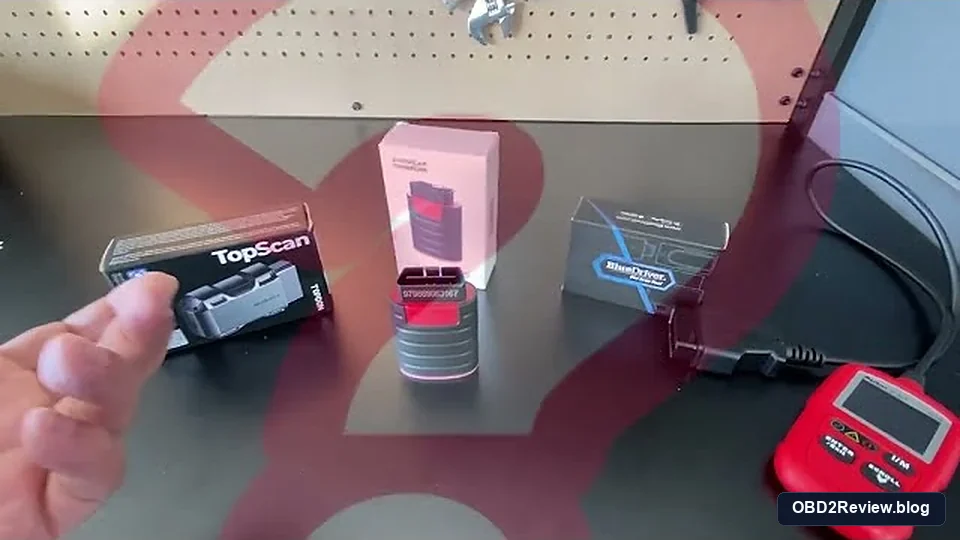
Physical dimensions dictate how well an adapter clears your lower dash panels without snagging shoes or clothing during regular driving routines. Both units utilize compact form factors built for permanent or semi-permanent port installation.
Internal circuit boards feature distinct microcontrollers designed to process SAE J1979 protocols efficiently. BlueDriver incorporates advanced processing power, which becomes evident when what is Mode 6 on BlueDriver is utilized for deep sensor monitoring.
Both diagnostic adapters utilize distinct internal layouts, balancing compact surface-mount technology with robust OBD-II pin configurations. Engineers integrate multimode microcontrollers to handle rapid data translation between vehicle networks and mobile operating systems seamlessly.
The physical casing dimensions dictate internal component placement, often separating the Bluetooth module from the high-voltage transceiver chips. This physical isolation minimizes electromagnetic interference, ensuring stable data packets during continuous live sensor streaming sessions.
Terminal pins require resilient copper alloy plating to withstand repeated insertion cycles into under-dash diagnostic ports. Manufacturers apply gold flash coatings to prevent oxidation, maintaining low electrical resistance across diverse environmental temperature ranges.
- Low-profile insertion depths prevent accidental foot strikes under the dashboard.
- Encapsulated circuit boards protect against ambient moisture and cabin dust accumulation.
- Optimized pin configurations ensure secure electrical contact with standard OBD2 ports.
Port Clearance and Ergonomic Factors
Dash configuration varies significantly across modern vehicle platforms, making physical adapter clearance a critical ergonomic factor for daily use. Fixd boasts a remarkably slim profile that sits flush inside tight spaces.
Conversely, the BlueDriver housing extends slightly further from the diagnostic port, accommodating robust internal circuitry and a pairing status LED that remains clearly visible from the driver seat.
- Flush designs minimize snag risks in cramped footwells.
- Visible indicator lights confirm active data transmission instantly.
Diagnostic Capability and Protocol Coverage
Unlocking deeper vehicle computer modules separates basic code readers from professional diagnostic scan tools. Fixd focuses primarily on generic powertrain emissions codes and straightforward maintenance reminders.
Meanwhile, BlueDriver dives deep into manufacturer-specific protocols to read ABS, airbag, and transmission modules. Readers can learn more about these capabilities within our BlueDriver Pro OBD2 review.
Data refresh rates during live sensor monitoring dictate how quickly technicians can spot intermittent electrical faults or erratic fuel trim fluctuations during dynamic road testing sessions.
Comprehensive protocol support determines how deeply an adapter communicates with proprietary vehicle modules beyond standard emissions. Advanced units decode manufacturer-specific PIDs, unlocking access to ABS, SRS, and transmission control units directly.
Legacy vehicle communication relies heavily on older standards like ISO 9141-2 and SAE J1850 PWM. Hardware multiplexers must dynamically switch internal resistors to accommodate these diverse signaling voltages without causing bus communication errors.
Modern CAN FD protocols demand faster baud rates and larger payload capacities from the diagnostic interface hardware. Upgraded transceiver chips process these high-speed messages, preventing data buffer overflows during complex diagnostic procedures.
- Generic powertrain coverage handles universal emission readiness monitors reliably.
- Enhanced module scanning accesses ABS and SRS systems on most domestic models.
- Fast refresh rates capture transient sensor drops during active test drives.
Live Data Streaming and Parameter Depth
Monitoring live sensor feeds requires high-speed data buses to prevent lag and dropped frames during critical troubleshooting sessions. BlueDriver excels by graphing multiple custom parameters simultaneously.
While Fixd provides basic numerical readouts for essential engine metrics, it lacks the advanced graphing flexibility needed for deep electrical diagnostic work and complex sensor correlation.
- Simultaneous graphing helps isolate intermittent sensor cross-talk.
- Customizable dashboards focus attention on specific subsystem anomalies.
Software Interface and Mobile Ecosystem
Smartphone application integration serves as the primary user interface for both wireless diagnostic adapters, bridging raw OBD data with human-readable repair insights. As detailed in our BlueDriver Pro scan tool review, interface layouts vary.
The Fixd mobile application translates complicated diagnostic trouble codes into plain-language explanations, making it exceptionally friendly for DIYers who lack formal automotive repair training backgrounds.
On the other hand, the BlueDriver software ecosystem delivers professional-grade repair reports compiled from millions of verified fix records gathered from certified mechanics worldwide.
Mobile application architecture dictates how intuitively raw diagnostic data transforms into actionable repair insights for users. Clean graphical layouts and responsive rendering engines allow technicians to visualize multiple live parameters simultaneously.
Operating system compatibility requires continuous background updates to maintain seamless Bluetooth pairing with evolving smartphone software. Developers must optimize API calls to minimize application latency, ensuring real-time graphical feedback during vehicle testing.
Cloud synchronization features store historical diagnostic logs, enabling technicians to track intermittent fault codes across multiple repair sessions. Secure database protocols protect sensitive vehicle telemetry, ensuring user privacy during remote diagnostic reviews.
- Plain-language code translations demystify complex dashboard warning lights instantly.
- Verified repair databases provide proven fixes rather than guesswork.
- Cross-platform compatibility ensures seamless operation on modern iOS and Android devices.
App Usability and Report Generation
Generating exportable diagnostic reports streamlines communication between vehicle owners and repair shop technicians before dropping off a car for major mechanical service work. BlueDriver excels here.
The comprehensive PDF export functionality from BlueDriver documents freeze-frame data, active codes, and specific sensor statuses clearly, whereas Fixd keeps reporting restricted to basic summaries.
- Detailed PDF exports simplify shop consultations.
- Historical log tracking monitors recurring vehicle issues over time.
Power Efficiency and Parasitic Draw
Leaving a wireless adapter plugged into your vehicle port continuously can drain the starting battery if the device fails to enter a low-power sleep mode correctly.
Engineering tests confirm both Fixd and BlueDriver manage idle power consumption effectively, dropping into minimal draw states when the vehicle ignition is switched completely off.
This smart power management allows users to leave either adapter plugged in permanently for continuous mileage tracking and automated health monitoring without risking a dead battery.
Leaving a diagnostic adapter plugged into the OBD-II port introduces potential battery drain risks during extended vehicle storage. Engineers implement low-power sleep modes that activate automatically when vehicle ignition signals drop.
Quiescent current consumption varies significantly between basic code readers and advanced diagnostic interfaces featuring continuous Bluetooth broadcasting. Maintaining a minimal standby draw prevents accidental battery depletion over multi-week parking intervals.
Voltage regulation circuits step down the vehicle twelve-volt supply to power internal logic chips safely. Efficient step-down converters minimize thermal dissipation, preventing internal component degradation during prolonged diagnostic scan sessions.
- Automated sleep states prevent overnight battery drainage in parked vehicles.
- Minimal standby current draw preserves alternator and battery longevity.
- Instant wake-up triggers restore Bluetooth pairing as soon as the engine starts.
Standby Performance in Cold Climates
Extreme winter temperatures test the limits of automotive electronics, especially components drawing continuous power directly from under-dash diagnostic ports. Both units handle thermal stress well.
Fixd and BlueDriver maintain stable circuit integrity even when sub-zero temperatures threaten battery voltage stability. For further environmental performance insights, consult our BlueDriver Bluetooth Pro review for extensive testing notes.
- Resilient internal regulators handle wide temperature fluctuations smoothly.
- Cold-weather Bluetooth handshakes remain dependable during winter starts.
Build Quality and Long-Term Durability
Automotive accessories must withstand physical impacts, extreme cabin temperatures, and frequent plugging cycles over years of service inside harsh under-dash environments.
BlueDriver features a robust polymer exterior shell designed to endure accidental drops on concrete shop floors and rugged daily professional handling without cracking.
Meanwhile, Fixd utilizes a lightweight, cost-effective plastic construction that feels slightly more fragile but remains structurally sound under normal, low-impact consumer usage patterns.
Automotive diagnostic environments subject handheld tools to grease, chemical solvents, and frequent drops onto concrete workshop floors. Impact-resistant polymer blends protect internal circuit boards from mechanical shock and vibration damage.
Strain relief design around the adapter body prevents internal solder joints from fracturing under repeated removal torque. Quality manufacturing standards ensure long-term reliability despite harsh temperature fluctuations inside parked vehicles.
Environmental sealing protects sensitive microchips from moisture ingress during humid weather or accidental liquid spills inside cabins. Conformal coating on circuit boards adds an extra protective barrier against corrosion and short circuits.
- Impact-resistant exterior shells protect sensitive microchips from drops.
- Reinforced connector pins prevent bending during repeated insertion cycles.
- UV-stable plastics resist degradation from direct sunlight on windshield mounts.
Connector Pin Integrity and Wear
Frequent removal for swapping between multiple family vehicles places immense mechanical stress on the OBD connector pins. BlueDriver uses hardened pins.
The durable pin metallurgy in BlueDriver resists widening over time, whereas Fixd requires more careful handling to prevent long-term connection looseness in worn ports.
- Hardened pin alloys maintain firm electrical contact pressure.
- Precision molding prevents terminal misalignment during blind insertions.
Matching the Tool to Your Specific Workload
Selecting the optimal diagnostic adapter ultimately depends on your mechanical expertise level and the depth of troubleshooting required for your specific vehicle fleet.
Drivers seeking simple maintenance reminders, clear emission status checks, and basic code clearing will find Fixd perfectly tailored to their casual automotive monitoring needs.
Conversely, professional technicians and advanced DIY mechanics tackling complex electrical gremlins must choose BlueDriver for its unmatched module coverage and verified repair databases.
Selecting the appropriate diagnostic interface depends heavily on your specific mechanical tasks and vehicle fleet diversity. Casual drivers require simple emission readiness checks, whereas professional technicians demand deep diagnostic capabilities across multiple electronic control units.
Fleet managers benefit from tools offering automated health reports and centralized cloud data logging for preventive maintenance. Evaluating your daily operational requirements ensures you invest in hardware matching your diagnostic depth.
Balancing upfront hardware investment against software update frequency guarantees optimal value throughout the tool operational lifecycle. Prioritizing essential diagnostic protocols prevents unnecessary spending on unused software features during routine vehicle maintenance tasks.
- Match tool capabilities to your actual mechanical diagnostic requirements.
- Consider future vehicle complexity when investing in wireless adapters.
- Evaluate software ecosystem preferences before committing to a platform.
Cost-Value Proposition for DIYers
Balancing upfront hardware investment against long-term diagnostic utility ensures maximum value for home mechanics upgrading their diagnostic toolkits.
While Fixd appeals to budget-conscious users, BlueDriver justifies its higher tier through advanced capabilities that eliminate costly unnecessary parts replacements.
- Accurate diagnostics prevent wasteful trial-and-error part swapping.
- Comprehensive repair databases save valuable troubleshooting hours.
Frequently Asked Questions
Can both adapters read ABS and airbag codes?
While BlueDriver accesses comprehensive enhanced modules like ABS and SRS, Fixd primarily focuses on generic powertrain codes and standard emissions testing.
Do these scanners drain the car battery if left plugged in?
Both units feature smart power-saving sleep modes that reduce parasitic draw to safe levels when the ignition is switched off.
Are software updates free for both platforms?
Yes, both manufacturers provide ongoing application updates and bug fixes through the Apple App Store and Google Play without subscription fees.
Which tool is better suited for professional mechanics?
BlueDriver is clearly superior for professional tasks due to its advanced live graphing, enhanced module scans, and verified repair database.
Will these adapters work on older pre-1996 vehicles?
Neither adapter supports pre-1996 vehicles because they strictly require standardized OBD2 diagnostic ports introduced for the 1996 model year.