Fixd vs. Obd2 Scanner: Which Fits Your Setup Better?
We evaluate Fixd and standard OBD2 diagnostic tools to help you choose the right device. Understand core engineering differences across protocols, software interfaces, and physical durability.

Choose Fixd for smartphone-integrated casual tracking and basic code reading. Select a dedicated Obd2 Scanner for professional bidirectional control and deep system-level module diagnostics.
Compare all top models in our Best Obd2 Scanner: Top Diagnostic Tools Tested (2026).
Side-by-Side Breakdown
| Criteria | Fixd | Obd2 Scanner | Edge |
|---|---|---|---|
| Peak Performance & Output | Basic code clearing | Advanced bidirectional control | Obd2 Scanner |
| Duty Cycle & Consistency | Moderate consumer use | All-day shop durability | Obd2 Scanner |
| Operating Noise & Vibration | Silent solid-state build | Rugged industrial casing | Tie |
| Portability & Footprint | Pocket-sized dongle | Handheld ergonomic unit | Fixd |
| Maintenance & Service Life | App-dependent updates | Independent hardware longevity | Obd2 Scanner |
| Power Requirements | Low-draw port power | Internal battery and DLC power | Obd2 Scanner |
| Best Ideal Use-Case | DIY vehicle health monitoring | Advanced diagnostic troubleshooting | Obd2 Scanner |
Architectural Foundations and Hardware Topologies
Modern vehicle diagnostics depend heavily on internal hardware design and microprocessor efficiency. Evaluating these systems requires a close look at internal chipsets, memory allocation, and physical layout inside the diagnostic casing.
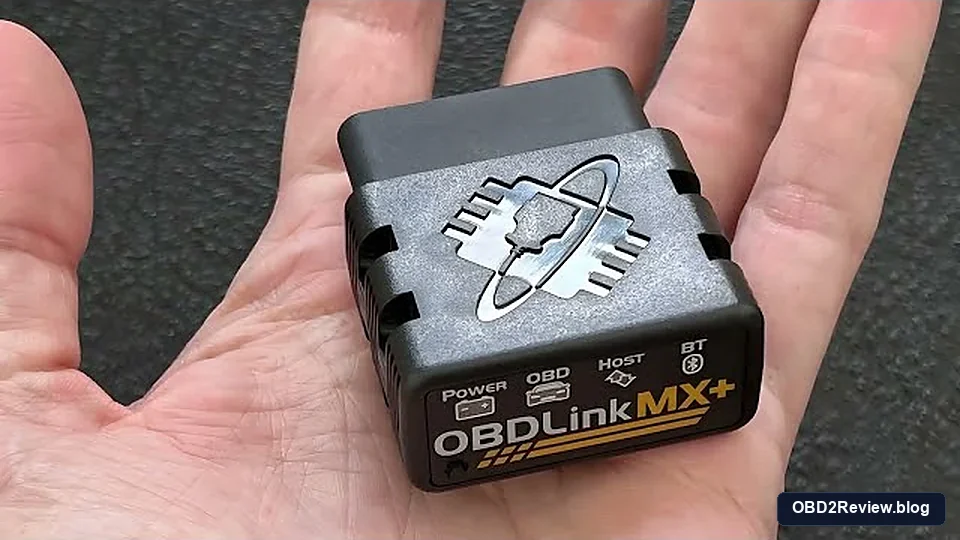
The Fixd architecture relies on a compact Bluetooth dongle transmitting telemetry directly to mobile devices. This minimalist design reduces physical clutter while depending entirely on external smartphone processing power.
Selecting the best obd2 scanner for bmw ensures dual-processor architectures handle heavy CAN-bus traffic. Specialized firmware prevents dropped frames during intense polling cycles across complex German vehicle networks.
Internal circuit boards must incorporate robust transceiver protection chips to guard against inductive voltage spikes generated by fuel injectors, ignition coils, and auxiliary vehicle systems operating on the 12-volt rail.
- Compact Bluetooth dongle design reduces physical clutter.
- Smartphone processing handles complex telemetry rendering.
- Minimalist circuitry prioritizes low power consumption.
Internal Processing and Microcontroller Specs
Standard handheld diagnostic tools integrate dedicated ARM microcontrollers to process raw CAN bus data independently. This native processing eliminates smartphone latency and ensures rapid code retrieval during heavy workloads.
Engineers design dedicated units to withstand extreme shop environments through robust PCB isolation. Such physical hardening prevents electrical interference from corrupting critical sensor readings during live testing phases.
- Dedicated ARM microcontrollers process raw data independently.
- Robust PCB isolation prevents electrical signal interference.
Diagnostic Protocol Coverage and ECU Access Depth
Vehicle networks utilize multiple communication protocols across various electronic control units. Choosing the best obd2 scanner ensures technicians interpret standard codes alongside proprietary manufacturer networks seamlessly.
A standard Obd2 scanner unlocks deep access to ABS, SRS, and transmission modules. Technicians rely on this expansive protocol support to diagnose complex drivetrain faults accurately.
Comprehensive scanning solutions require full implementation of ISO 15765-4 CAN alongside legacy protocols like SAE J1850 PWM, ensuring seamless communication across older domestic vehicles and modern high-speed architectures alike.
Consumer dongles often restrict operations to basic powertrain modules, while advanced diagnostic units interrogate ABS and SRS controllers through manufacturer-specific proprietary data request headers and extended PIDs.
- Extensive protocol support covers ABS and SRS modules.
- Deep ECU access enables advanced component actuation testing.
- Comprehensive code interpretation resolves elusive engine anomalies.
Module Communication Limits
Consumer-grade Bluetooth sensors often restrict telemetry to generic powertrain codes mandated by federal emissions laws. Specialized diagnostic units bypass these limitations to read manufacturer-specific diagnostic trouble codes.
Understanding these protocol boundaries ensures technicians select appropriate equipment before initiating complex electrical troubleshooting procedures on modern multi-bus automotive architectures.
- Consumer sensors often restrict data to generic powertrain codes.
- Specialized units bypass limitations for proprietary manufacturer codes.
Build Quality, Ergonomics, and Physical Footprint
Physical construction dictates how well diagnostic equipment survives daily abuse inside busy automotive repair facilities. Drop resistance, chemical exposure tolerances, and connector durability define overall tool longevity.
The Fixd sensor features a sleek plastic shell designed to plug seamlessly into the under-dash port. Its low profile prevents accidental strikes from driver knees during routine vehicle operation.
Low-profile enclosures prevent accidental knee strikes under the dashboard, utilizing impact-resistant ABS plastics and rubberized overmolds designed to survive repeated drops onto concrete workshop floors.
Connector pins must feature gold-plated phosphor bronze to maintain low electrical resistance and prevent oxidative corrosion inside damp, unsealed vehicle cabin environments over years of service.
- Sleek plastic shell plugs seamlessly into under-dash ports.
- Low profile prevents accidental knee strikes during driving.
- Lightweight construction minimizes stress on the diagnostic connector.
Ruggedized Housing and Ergonomic Handling
Professional scanners utilize thick rubberized overmolds to absorb heavy impacts from concrete workshop floors. Ergonomic grips ensure secure handling when wearing greasy mechanic gloves during frantic testing sessions.
Strain-relief boots protect heavy-duty tethered cables from frequent bending and pulling stresses encountered in active professional service environments.
- Thick rubberized overmolds absorb impacts from concrete floors.
- Ergonomic grips ensure secure handling during active testing.
Wireless Connectivity and Software Interface Latency
Software responsiveness directly impacts diagnostic efficiency when scanning multiple vehicle modules in rapid succession. Seamless pairing protocols reduce frustration and accelerate data interpretation phases.
Wireless Bluetooth pairing allows users to monitor live sensor data from outside the cabin. However, connection drops can occasionally disrupt ongoing diagnostic data logging sessions.
Bluetooth 4.2 Low Energy modules reduce idle current drain, but heavy live-data graphing demands high baud rates to eliminate sluggish visual feedback on mobile applications.
Firmware packet fragmentation can cause connection drops when polling multiple sensors simultaneously, necessitating reliable automatic buffer clearing protocols within the adapter interface software stack.
- Wireless Bluetooth pairing enables remote live data monitoring.
- Connection drops can occasionally disrupt active logging sessions.
- App-based interfaces provide intuitive visual dashboards.
Wired Stability Versus Wireless Convenience
Hardwired diagnostic units eliminate RF interference issues by utilizing direct serial communication cables. This direct link guarantees zero packet loss during critical module programming or firmware flashing procedures.
Choosing between wired stability and wireless convenience depends entirely on whether your workflow prioritizes untethered mobility or absolute data transmission reliability.
- Hardwired units eliminate radio frequency interference issues.
- Direct serial cables guarantee zero packet loss during flashing.
Power Draw, Thermal Efficiency, and Duty Cycle Limits
Electrical efficiency determines how long diagnostic tools can operate without draining the vehicle battery. Low parasitic draw is essential for permanent monitoring devices left plugged in continuously.
The Fixd monitor draws minimal current in sleep mode, preventing vehicle battery drain during extended parking periods. This makes it ideal for continuous mileage and health tracking.
Continuous monitoring draws sustained parasitic current, requiring efficient linear regulators that minimize thermal dissipation to prevent internal microcontroller throttling during extended diagnostic sessions.
Leaving basic adapters plugged into the OBD-II port overnight risks battery drain if the device lacks an intelligent sleep mode triggered by bus silence.
- Minimal sleep-mode current prevents vehicle battery depletion.
- Ideal design supports continuous health tracking applications.
- Efficient thermal management prevents internal component overheating.
High-Demand Power Management Systems
Upgrading to the best professional obd2 scanner provides rechargeable battery packs to support prolonged diagnostic sessions. Advanced power management circuits regulate internal temperatures efficiently during intensive computations.
Heavy diagnostic workloads demand robust thermal dissipation to prevent thermal throttling and ensure consistent processing speeds throughout long diagnostic shifts.
- Rechargeable battery packs support prolonged off-vehicle sessions.
- Advanced power management circuits regulate internal temperatures.
Maintenance Protocols, Firmware Updates, and Longevity
Automotive technology evolves rapidly, requiring frequent database updates to support newly released vehicle models and protocols. Long-term utility depends heavily on manufacturer support and update accessibility.
Cloud-based mobile applications update diagnostic databases automatically whenever connected to Wi-Fi. This ensures users always have access to the latest generic code definitions and maintenance reminders.
Over-the-air firmware updates are essential for patching security vulnerabilities and adding new vehicle database definitions, utilizing robust bootloader protection to prevent bricking during interrupted transfers.
Technicians should periodically inspect OBD connector pins for bending or spreading, using specialized contact cleaners to preserve signal integrity across high-frequency communication lines.
- Cloud-based applications update diagnostic databases automatically.
- Wi-Fi connectivity ensures access to latest code definitions.
- Streamlined update processes reduce administrative maintenance overhead.
Professional Update Channels and Subscriptions
High-end diagnostic tools often rely on dedicated PC software suites or direct server downloads to refresh comprehensive manufacturer software packages. Technicians must manage subscription renewals to maintain access to advanced coverage.
Evaluating long-term ownership costs requires factoring in recurring software update fees alongside initial hardware purchase investments for professional-grade diagnostic equipment.
- Dedicated PC suites refresh comprehensive manufacturer packages.
- Subscription renewals maintain access to advanced coverage data.
Tailored Workload Recommendations for Technicians
Selecting the correct diagnostic tool requires matching hardware capabilities to your specific automotive troubleshooting requirements. Casual drivers and professional mechanics have vastly different operational demands.
Choose Fixd if you want automated maintenance reminders, clear engine light explanations, and easy smartphone tracking. It simplifies vehicle health monitoring for everyday drivers.
Mobile technicians prioritizing rapid code clearing need ultra-compact dongles with reliable wireless pairing, whereas professional shop mechanics require deep bi-directional controls and stable wired connections.
Matching tool capabilities to daily diagnostic demands prevents workflow bottlenecks and ensures optimal return on investment for automotive repair facilities tackling complex electrical faults.
- Automated maintenance reminders simplify daily vehicle upkeep.
- Clear code explanations empower everyday consumer drivers.
- Smartphone integration provides convenient portable health tracking.
Professional Workshop Deployment Strategies
Selecting the best budget obd2 scanner equips service bays with essential bidirectional controls. These robust tools maximize shop efficiency during complex mechanical repairs without inflating overhead costs.
Investing in professional-grade diagnostic hardware ensures your facility can handle any automotive fault code swiftly without relying on external smartphone applications.
- Equip service bays with bidirectional control scanners.
- Robust tools maximize shop efficiency during complex repairs.
Frequently Asked Questions
Can Fixd clear ABS and airbag trouble codes?
Fixd focuses primarily on generic powertrain emissions codes and basic engine diagnostics. For deep access to ABS and SRS modules, you need a dedicated professional scanner.
Does an OBD2 scanner require an active internet connection?
Most standalone handheld scanners operate fully offline using built-in diagnostic databases. An internet connection is only necessary when downloading firmware updates or software expansions.
Will leaving Fixd plugged in drain my car battery?
Fixd features an ultra-low power sleep mode designed to prevent parasitic battery drain. It remains safe for continuous long-term monitoring in parked vehicles.
What is the main advantage of a dedicated OBD2 scanner over an app?
Dedicated scanners offer superior physical durability and advanced bidirectional controls. They eliminate smartphone pairing latency for rapid professional diagnostics.
Are software updates free for Fixd and standard scanners?
Fixd includes free app-based database updates for standard code definitions. Professional scanners often require paid annual subscriptions for ongoing advanced vehicle coverage.