Mode 6 vs. Standard Obd2 Diagnostics: Which Fits Your Setup Better?
Understanding powertrain diagnostics requires choosing between basic fault code retrieval and advanced raw sensor data inspection. This guide breaks down the technical differences for your automotive workshop.


Standard OBD2 diagnostics excel at rapid code reading and routine check-engine light clearing. However, Mode 6 provides the deep raw monitoring necessary for preemptive troubleshooting before permanent trouble codes trigger.
Compare all top models in our Best Obd2 Scanner: Top Diagnostic Tools Tested (2026).
Side-by-Side Breakdown
| Criteria | Mode 6 | Standard Obd2 Diagnostics | Edge |
|---|---|---|---|
| Peak Performance & Output | Deep raw data streaming | Basic fault code readout | Mode 6 |
| Duty Cycle & Consistency | Advanced diagnostic sessions | Rapid routine scanning | Standard Obd2 Diagnostics |
| Operating Noise & Vibration | Silent data interpretation | Silent basic operation | Tie |
| Portability & Footprint | Requires advanced hardware | Universal pocket readers | Standard Obd2 Diagnostics |
| Maintenance & Service Life | High precision component tracking | General emissions checks | Mode 6 |
| Power Requirements | Standard vehicle DLC power | Standard vehicle DLC power | Tie |
| Best Ideal Use-Case | Elusive drivability troubleshooting | Quick emissions readiness | Mode 6 |
Core Architecture and Diagnostic Intent
Standard OBD2 diagnostics utilize SAE J1979 protocols to request basic emissions data and generic diagnostic trouble codes. This architecture prioritizes rapid communication and universal vehicle compatibility across different manufacturers and model years.
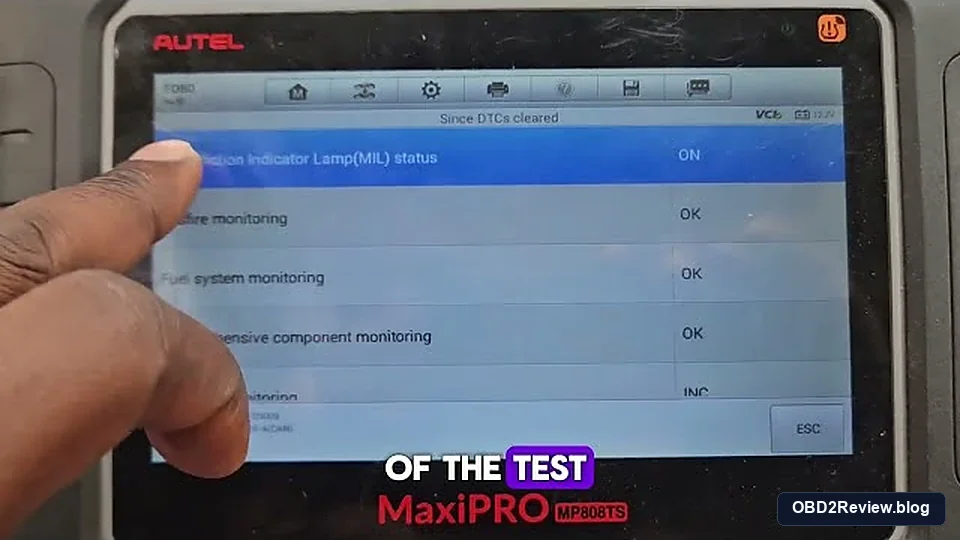
Conversely, Mode 6 bypasses simplified fault flags to expose direct hexadecimal test results from continuous and non-continuous onboard monitors. Automotive technicians rely on this layer to interpret raw component switching frequencies and sensor voltages.
Standard OBD2 diagnostics prioritize broad fault detection by triggering Diagnostic Trouble Codes when emissions thresholds exceed legal limits. Using the best obd2 scanner for transmission diagnostics helps isolate complex faults.
Conversely, Mode 6 accesses non-continuous monitors directly from the powertrain control module before a dashboard warning illuminates. Engineers designed this protocol to inspect micro-level sensor variations and subtle execution anomalies.
- Utilizes standardized PID requests for live telemetry.
- Focuses on emission control system readiness.
- Interprets generic powertrain control module parameters.
Diagnostic Protocol Layers
The standard diagnostic layer translates complex sensor readings into five-character alphanumeric trouble codes. While efficient for quick triage, this abstraction hides subtle performance degradations happening inside individual cylinders.
Advanced Mode 6 data structures stream raw hexadecimal values directly from specific component ID channels. This granular visibility prevents mechanics from missing intermittent misfires that fail to trigger hard dashboard warnings.
- Translates metrics into alphanumeric trouble codes.
- Streams raw hexadecimal values directly from IDs.
Data Granularity and Resolution Limits
Standard OBD2 displays pass or fail statuses alongside basic freeze frame snapshots captured during an emissions event. Mechanics receive minimal context regarding how close a specific monitor came to tripping a failure threshold.
Mode 6 drastically increases analytical resolution by publishing exact test values and maximum allowable limits. Technicians track decimal tracking trends to predict component wear before a complete electrical or mechanical breakdown occurs.
Standard OBD2 provides binary status flags and generalized sensor voltages that obscure microscopic degradation patterns. Technicians only see if a circuit passes or fails a generic compliance envelope without internal math.
Mode 6 exposes exact hexadecimal scaling factors, minimum limit values, and current test results. This granular telemetry lets advanced diagnostics track catalyst efficiency loss long before actual DTC activation occurs.
- Exposes exact numerical test limits and counts.
- Tracks unconfirmed intermittent cylinder misfire trends.
- Aids in pinpointing marginal catalytic converter efficiency.
Analytical Precision Deep Dive
Basic scanners hide the numerical reality behind simple status lights to prevent user confusion. Professional tools utilize high-resolution data feeds to expose micro-variations in sensor responsiveness.
Examining these precise margins allows skilled technicians to verify component integrity with absolute mathematical certainty.
- Eliminates ambiguity in sensor evaluations.
- Provides mathematical verification of wear.
Hardware Compatibility and Scanner Requirements
Basic OBD2 code readers communicate seamlessly with virtually any passenger vehicle. When troubleshooting emergency powertrain states, learning if an obd2 scanner can reset limp mode becomes essential for proper shop diagnostics.
Accessing Mode 6 telemetry demands mid-tier to professional-grade diagnostic scanners with robust data translation software. Cheap pocket readers frequently omit this diagnostic layer, leaving technicians blind to raw micro-controller testing routines.
Basic code readers lack the internal processing architecture required to parse complex Mode 6 hexadecimal scaling algorithms. Basic handheld tools only request Mode 03 and Mode 07 emissions commands.
Advanced bidirectional scanners and professional diagnostic software leverage dedicated CAN bus filters to query specific component IDs. Technicians must verify protocol support before attempting deep hardware-level test execution.
- Requires enhanced OBD2 scanning hardware interfaces.
- Demands advanced software translation for hex values.
- Incompatible with entry-level generic code readers.
Workshop Efficiency Versus Deep Troubleshooting
Standard diagnostic procedures optimize shop throughput by quickly isolating obvious fault codes during routine maintenance checks. Service writers appreciate the speed of standard scans when processing routine customer vehicle drop-offs.
Master technicians tackling elusive drivability complaints depend entirely on advanced analytics. Reviewing our technical guide on obd2 mode 6 eliminates guesswork and prevents unnecessary replacement of expensive powertrain components.
Standard OBD2 scans complete within seconds, making them ideal for high-volume service bays needing rapid triage. Service advisors rely on these quick scans to estimate repair times immediately.
Conversely, interpreting advanced monitoring data requires specialized training and extended diagnostic labor. Master technicians invest considerable time analyzing raw hexadecimal datasets to solve intermittent misfire issues.
- Maximizes daily vehicle throughput in busy shops.
- Reduces misdiagnosis rates on stubborn drivability issues.
- Streamlines complex emissions compliance verification workflows.
Interpreting Raw Hexadecimal Test IDs
Standard OBD2 hides raw hexadecimal coding behind plain-language English descriptions designed for general consumers. This user-friendly approach prevents untrained operators from misinterpreting complex vehicle electronic control unit feedback loops.
Working with Mode 6 requires understanding component identifiers and scaling factors unique to specific vehicle manufacturers. Technicians must cross-reference raw hexadecimal outputs with factory service manuals to determine precise component health.
Component IDs and Test IDs form the core language of internal computer monitoring routines. Manufacturers assign unique hexadecimal values to specific sensors like oxygen heaters and EVAP systems.
Without manufacturer-specific look-up tables, raw hexadecimal counts remain meaningless numbers. Professional mechanics utilize updated service information systems to translate raw test results into actionable repair insights.
- Utilizes specialized Component IDs and Test IDs.
- Requires manual conversion of raw hex data.
- Demands comprehensive factory service manual reference guides.
Environmental Compliance and Emissions Testing
State emissions testing stations rely heavily on standard OBD2 readiness monitors to verify vehicle compliance quickly. Choosing the best obd2 scanner helps inspectors confirm that all system routines complete self-diagnostic cycles.
When an emissions monitor refuses to set, Mode 6 provides the ultimate troubleshooting roadmap. Mechanics inspect individual test values to identify which specific sensor parameter fails to meet strict environmental operating tolerances.
State inspection stations primarily rely on standard readiness monitors to determine vehicle passing status. If all required OBD2 monitors show complete, the vehicle passes environmental safety inspections.
Advanced technicians use internal test metrics to prevent impending emissions failures before the dashboard check engine light activates. This proactive maintenance strategy ensures total compliance with strict standards.
- Verifies mandatory readiness monitor completion status.
- Isolates stubborn evaporative system test failures.
- Ensures strict compliance with regional environmental standards.
Economic Impact on Diagnostic Workflows
Deploying standard OBD2 diagnostics minimizes training overhead for entry-level service technicians across modern automotive facilities. The low barrier to entry ensures rapid onboarding and consistent basic repair documentation processes.
Mastering advanced Mode 6 procedures elevates shop profitability by conquering complex diagnostic challenges that stump competitors. Investing in advanced scanner capabilities pays dividends through accurate first-time component replacements.
Standard diagnostics minimize diagnostic billing hours by offering quick fault verification for everyday drivers. Shops maximize bay turnover by depending on automated diagnostic trouble code reporting.
Deep testing protocols justify higher labor charges by resolving complex, intermittent drivability complaints efficiently. Investing in advanced software expertise ultimately reduces costly comeback rates for modern automotive repair facilities.
- Lowers initial equipment and staff training costs.
- Dramatically improves first-time fix rates on cars.
- Justifies higher labor rates for expert technicians.
Frequently Asked Questions
What is the main difference between standard OBD2 and Mode 6?
Standard OBD2 diagnostics retrieve generic trouble codes and basic emissions readiness monitors designed for quick vehicle triage across all modern automotive platforms.
Conversely, advanced Mode 6 provides deep access to raw hexadecimal test values and microscopic sensor performance data directly from the onboard powertrain control module for expert analysis.
Do all cheap code readers support Mode 6 data streaming?
Basic entry-level scanners typically omit Mode 6 functionality because they lack the necessary software architecture to translate complex hexadecimal component test results. Technicians must upgrade to mid-tier or professional diagnostic tools to unlock this essential capability.
Why should a mechanic use Mode 6 if no codes are present?
Utilizing Mode 6 allows professional technicians to catch marginal component failures and intermittent misfires long before the dashboard warning light illuminates. This proactive diagnostic approach prevents unexpected roadside breakdowns and expensive secondary engine damage.
How do emissions testing stations utilize these two diagnostic modes?
State inspection facilities rely on standard OBD2 readiness monitors to confirm that all mandatory vehicle emissions systems have completed their self-tests. Mechanics use Mode 6 only when a specific monitor fails to set properly during routine testing.
Is specialized training required to interpret Mode 6 diagnostic data?
Interpreting Mode 6 requires understanding manufacturer-specific component identifiers, scaling factors, and hexadecimal conversion tables. While standard codes are straightforward, mastering raw test values demands dedicated technical training and reliable factory service documentation.