Obd 1 vs. Obd2: Which Fits Your Setup Better?
Understanding the shift from legacy diagnostic protocols to modern standards helps technicians select the right tools. Evaluating legacy versus modern interfaces reveals critical protocol differences.


For vintage vehicle work, OBD 1 remains essential despite limited standardization. However, modern mechanics and DIYers will overwhelmingly prefer OBD2 for comprehensive live data access and global regulatory compliance.
Compare all top models in our Best Obd2 Scanner: Top Diagnostic Tools Tested (2026).
Side-by-Side Breakdown
| Criteria | Obd 1 | Obd2 | Edge |
|---|---|---|---|
| Peak Performance & Output | Basic fault code blinking sequences | High-speed live data streaming | Obd2 |
| Duty Cycle & Consistency | Varies by manufacturer wiring design | Standardized ISO and SAE protocols | Obd2 |
| Operating Noise & Vibration | Manual pin jumper connections required | Plug-and-play digital interface security | Obd2 |
| Portability & Footprint | Bulkier standalone diagnostic cartridges | Compact wireless Bluetooth adapters | Obd2 |
| Maintenance & Service Life | Prone to brittle legacy insulation | Robust strain-relief connector housings | Obd2 |
| Power Requirements | External battery sources or jumpers | Direct 12V power from DLC port | Obd2 |
| Best Ideal Use-Case | Restoring classic pre-1996 vehicles | Everyday modern automotive repair | Obd2 |
Evolution of Automotive Diagnostics
Early automotive computers lacked unified standards, forcing manufacturers to design distinct diagnostic ports. Technicians relied on unique wiring diagrams and jump wires to extract critical trouble codes from the engine control unit.
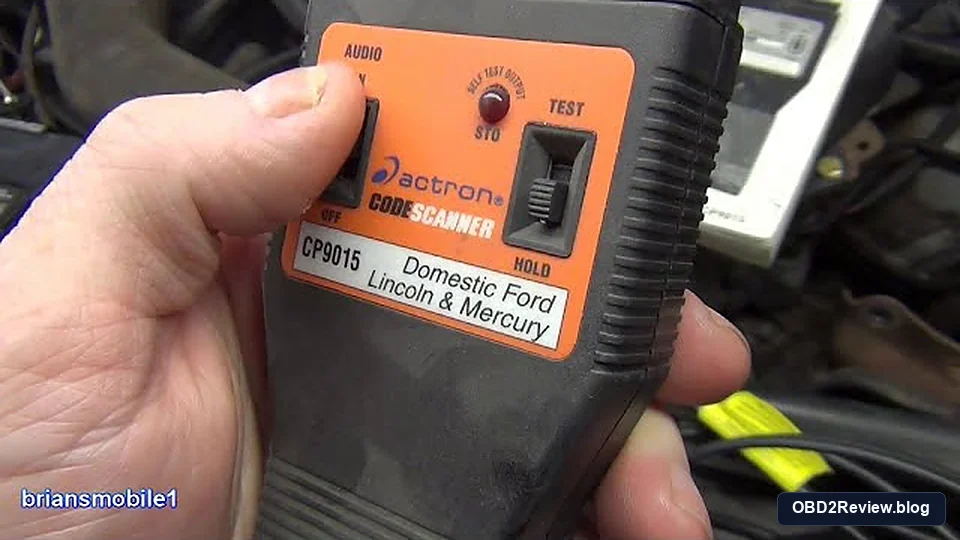
The introduction of federal regulations standardized diagnostic ports across all domestic and imported passenger vehicles. This shift eliminated manufacturer-specific guessing games and streamlined emissions testing for independent service shops everywhere.
Early diagnostic systems relied on primitive flashing dashboard lights and manufacturer-specific jumper wires to retrieve basic fault codes. Technicians required numerous specialized adapters before uniform standards simplified engine troubleshooting procedures globally.
Regulatory bodies like the California Air Resources Board mandated strict emission oversight. This legislative push forced automakers to adopt universal communication protocols, transforming automotive maintenance into a computerized science.
- Pre-1996 systems utilized non-standardized proprietary connection layouts.
- Modern regulations unified diagnostic pins across all major automakers.
- Standardization significantly reduced the learning curve for professional mechanics.
Hardware Architecture and Connector Design
Legacy connectors varied wildly in pin configuration, shape, and physical location beneath the dashboard. Mechanics often hunted under seats or inside engine bays just to locate the proprietary diagnostic plug on older models.
Modern setups utilize a standardized sixteen-pin trapezoidal connector positioned conveniently near the driver knee well. This physical uniformity allows technicians to plug in advanced scan tools without swapping adapter cables constantly.
The standardized sixteen-pin Data Link Connector sits within arm's reach of the driver's seat. Physical receptacle durability matters because frequent plugging cycles can wear down internal spring contacts, causing intermittent communication failures.
Modern vehicle architectures route diagnostic wiring harnesses away from high-voltage hybrid cables. Proper electromagnetic shielding prevents stray electrical noise from corrupting delicate serial data packets traveling across the network.
- Legacy ports featured scattered, unpredictable physical locations.
- Standard sixteen-pin trapezoidal ports ensure universal under-dash accessibility.
- Durable strain reliefs prevent premature pin fatigue during daily use.
Protocol Standards and Data Transmission
Early electronic systems communicated via slow, proprietary data lines unique to each automotive brand. These primitive networks lacked the bandwidth required to transmit real-time sensor telemetry back to an external diagnostic screen.
Modern networks rely on robust protocols like CAN bus to move data at high speeds. This architecture supports simultaneous monitoring of dozens of modules without experiencing signal latency issues.
Legacy systems utilized slow K-line communications before the industry shifted toward high-speed CAN bus networks. Dual-wire differential signaling drastically improved data transfer speeds across multiple electronic control units simultaneously.
Engineers configure precise baud rates and message framing rules to prevent bus saturation. Managing network latency ensures real-time sensor parameters display accurately on diagnostic screens without packet dropouts or freezing.
- Legacy lines suffered from extremely restricted data transfer speeds.
- Modern CAN bus protocols enable multi-module communication simultaneously.
- High-bandwidth networks eliminate frustrating diagnostic data bottlenecks.
Proprietary vs Standardized Comm Lines
Brand-specific communication lines required mechanics to buy expensive, single-manufacturer diagnostic hardware. Servicing multiple car brands demanded an inventory of costly proprietary cartridges and dedicated interface boxes.
Standardized networks democratized automotive repair by opening communication channels to universal scan tools. Independent technicians gained access to powertrain data previously locked behind OEM software paywalls.
- Proprietary lines created financial barriers for independent repair shops.
- Universal protocols opened powertrain data access to aftermarket tools.
Diagnostic Trouble Codes and Retrieval
Early diagnostic retrieval often involved bridging specific terminals inside the under-dash connector manually. Technicians then watched the dashboard check engine light flash in specific sequences to decode fault codes.
Modern diagnostic tools query the vehicle computer directly to display alphanumeric trouble codes instantly. Choosing the best obd2 scanner options ensures you capture exact engine conditions when a fault occurred.
Diagnostic trouble codes follow a strict alphanumeric format where letters denote primary vehicle systems. Generic powertrain faults use P0xxx codes, while manufacturers assign unique sub-identifiers for deeper system analysis.
Advanced scanners capture freeze frame data to snapshot environmental conditions at the exact moment a fault occurs. Technicians analyze these recorded parameter IDs to recreate operating states during diagnostic bench testing.
- Manual retrieval required tedious counting of flashing dashboard lights.
- Instant alphanumeric code display speeds up initial diagnostic triage.
- Freeze-frame data captures precise environmental conditions during failure.
Blinking Codes vs Live Stream Data
Manual flash codes provided zero context regarding engine load, coolant temperature, or fuel trim percentages. Mechanics had to infer mechanical faults using basic analog gauges and educated mechanical intuition.
Live stream data transforms modern troubleshooting by plotting sensor outputs on interactive graphical displays. Technicians can instantly spot failing oxygen sensors or erratic fuel pressure drops during road test evaluations.
- Flash codes offered no operational context or live telemetry.
- Graphical live data streams pinpoint intermittent sensor failures quickly.
Emissions Compliance and Testing Protocols
Early emission testing relied on tailpipe sniffer machines while mechanics manipulated idle speeds manually. These legacy systems could not verify internal catalyst efficiency or monitor evaporative emission leaks effectively.
Modern compliance testing relies heavily on internal computer readiness monitors checked via the data link. Scanners quickly verify whether emissions subsystems have completed their required self-test drive cycles.
Emissions testing relies on internal readiness monitors that continuously evaluate catalytic converter efficiency. Clearing fault codes automatically resets these monitors, requiring specific drive cycles to re-establish verified status before state inspections.
Traditional tailpipe exhaust sampling has largely given way to digital readiness status checks. Inspectors plug directly into the data link connector to verify that all onboard emissions systems completed self-tests successfully.
- Legacy testing required physical tailpipe gas analyzers exclusively.
- Internal computer monitors verify catalyst and EVAP system health.
- Readiness monitors streamline state emissions inspection processes.
Tool Compatibility and Modern Integrations
Legacy hardware quickly became obsolete as manufacturers updated electronic control units on newer vehicle releases. Updating older diagnostic equipment often required physical ROM chip replacements rather than simple software downloads.
Modern scan tools feature internet connectivity for effortless firmware updates and expanded vehicle coverage databases. Selecting the best obd ii bluetooth scanner models allows technicians to interface directly with tablets and smartphone diagnostic apps.
Modern service environments demand pass-thru devices supporting J2534 programming standards for ECU flashing. Technicians utilize bidirectional software controls to actuate components, calibrate sensors, and update firmware modules directly on vehicles.
Wireless Bluetooth adapters connect mobile apps to vehicle networks for quick roadside triage. However, secure gateway modules require authorized digital credentials to bypass modern factory firewall protections during diagnostic sessions.
- Older tools required physical ROM chip swaps for updates.
- Modern scanners leverage Wi-Fi for seamless database expansions.
- Bluetooth connectivity bridges scan tools with consumer tablets.
Software Updates and Dongles
Wireless diagnostic dongles have drastically reduced clutter inside busy automotive service bays. These compact units transmit sensor data securely to handheld tablets without dangling cords creating trip hazards.
Subscription-based software models ensure repair shops maintain access to the latest bi-directional control functions. Technicians rely on these regular updates to calibrate advanced driver assistance systems and reset service lights.
- Wireless dongles eliminate bulky cable clutter in the shop.
- Software subscriptions unlock advanced bi-directional control features.
Maintenance Safety and Ergonomic Considerations
Working on older electrical wiring harnesses requires extra caution regarding brittle insulation and corrosion. Technicians must inspect legacy pins carefully to avoid damaging delicate, obsolete connector housings during testing.
Modern diagnostic ports draw power directly from the vehicle, illuminating connected hardware instantly. Utilizing the best obd2 bluetooth scanners with ergonomic hand placement and robust strain reliefs ensures heavy daily use does not compromise internal tool circuitry.
Ergonomic diagnostic tool design incorporates heavy-duty strain relief on cables to prevent internal wire breakage. Technicians must avoid hanging heavy scanners directly from the dashboard connector to protect vehicle pins.
Electrical safety protocols require verifying ground references before connecting high-draw diagnostic equipment to sensitive control modules. Proper handling minimizes accidental voltage spikes that could damage expensive onboard computers.
- Legacy harnesses demand careful handling due to aged, brittle insulation.
- Modern ports supply direct operating power to connected scan tools.
- Ergonomic housings protect delicate internal electronics during daily shop tasks.
Additional Resources for Professional Technicians
Exploring historical service manuals helps mechanics understand the evolution of automotive electronic control units. Comprehensive wiring diagrams remain invaluable assets when tracing intermittent electrical faults in classic vehicles.
Continuing education courses ensure technicians stay proficient in modern networking protocols and diagnostic software. Utilizing the best professional obd2 scanner choices guarantees accurate repairs across both vintage and contemporary platforms.
Professional technicians rely on factory service manuals and detailed wiring schematics to trace complex electrical faults. Subscription-based OEM portals deliver up-to-date technical service bulletins necessary for accurate vehicle repairs.
Continuing education through manufacturer training programs keeps shop personnel updated on evolving serial data communication protocols. Earning formal certifications ensures mastery over increasingly complex automotive electronic architectures.
- Historical manuals provide crucial wiring context for classic restorations.
- Technical training keeps mechanics proficient with emerging network protocols.
Frequently Asked Questions
Can modern scan tools interface with older pre-standardization vehicles?
Modern multi-system diagnostic scanners generally cannot interface directly with legacy vehicles lacking standardized sixteen-pin data ports without utilizing specialized hardware converters and legacy adapters.
You must acquire brand-specific adapter harnesses and specialized software cartridges to successfully extract vintage trouble codes from those older, non-standard powertrain control computers during diagnosis.
Why do older vehicles require manual blinking dashboard lights for code retrieval?
Early automotive computers lacked digital communication networks capable of transmitting alphanumeric data streams to external display screens during testing.
Technicians had to bridge specific terminal pins manually to force the dashboard check engine light to flash numerical sequences representing stored diagnostic faults for manual interpretation.
What are the primary advantages of utilizing standard CAN bus architectures?
Modern networks rely on robust CAN bus protocols to move data at exceptionally high speeds across multiple vehicle control modules simultaneously during operation.
This advanced architecture supports real-time monitoring of dozens of critical sensors without experiencing noticeable signal latency issues or intermittent data drops during diagnostic testing.
How do emissions readiness monitors differ between vintage and modern platforms?
Legacy compliance testing relied entirely on tailpipe sniffer machines while mechanics manually manipulated engine idle speeds in service bays.
Modern compliance testing relies heavily on internal computer readiness monitors checked instantly via the data link connector to verify proper emissions system functionality.
Why is wireless Bluetooth diagnostic hardware preferred in modern service shops?
Wireless diagnostic dongles have drastically reduced physical cable clutter inside busy automotive service bays during routine maintenance procedures. These compact units transmit vital sensor data securely to handheld tablets without dangling cords creating hazardous tripping conditions for busy technician crews.