Obd1 vs. Obd2 Plug: Which Fits Your Setup Better?
Understanding the physical and protocol differences between legacy diagnostic systems and modern interfaces is vital. Mechanics must evaluate hardware constraints before servicing vintage or contemporary vehicles.


Vintage diagnostics require specialized adapters, whereas modern interfaces deliver standardized data streams instantly. OBD2 plugs remain the definitive choice for daily repair efficiency and comprehensive system scans.
Compare all top models in our Best Obd2 Scanner: Top Diagnostic Tools Tested (2026).
Side-by-Side Breakdown
| Criteria | Obd1 | Obd2 Plug | Edge |
|---|---|---|---|
| Peak Performance & Output | Limited sensor data | High-speed live data | Obd2 Plug |
| Duty Cycle & Consistency | Prone to connection drops | Stable continuous streaming | Obd2 Plug |
| Operating Noise & Vibration | Susceptible to terminal rattle | Secure latching mechanism | Obd2 Plug |
| Portability & Footprint | Bulky under-hood connectors | Compact under-dash footprint | Obd2 Plug |
| Maintenance & Service Life | Corrodes easily outdoors | Gold-plated pin durability | Obd2 Plug |
| Power Requirements | External battery hooks needed | Direct bus line power | Obd2 Plug |
| Best Ideal Use-Case | Restoring classic vehicles | Modern daily workshop diagnostics | Obd2 Plug |
Architectural Evolution of Diagnostic Ports
Early diagnostic ports featured proprietary pinouts, requiring unique adapters for every manufacturer. Technicians struggled with fragmented hardware standards across different global assembly plants during inspections. Fragmented hardware standards complicated routine repairs.
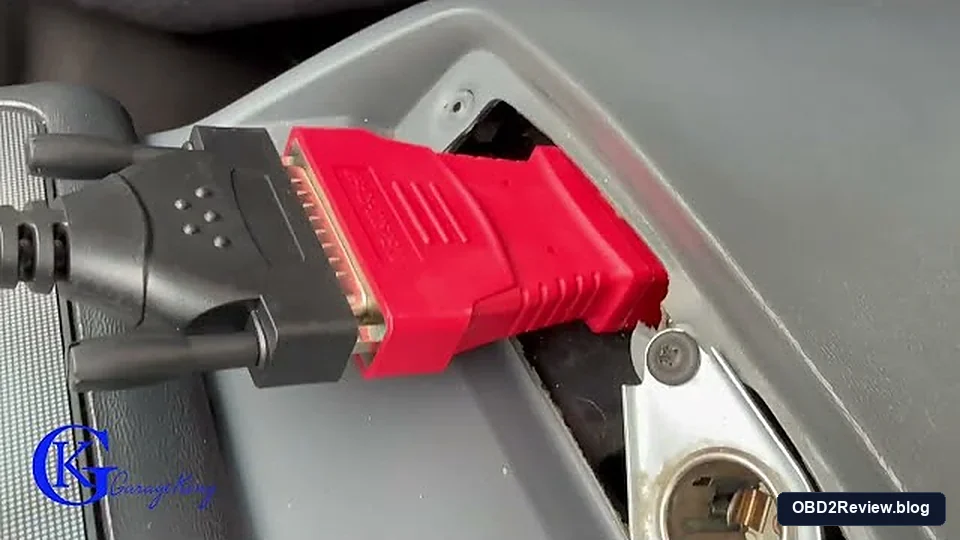
Modern receptacles utilize a standardized sixteen-pin layout governed by strict federal mandates. Using a reliable best professional obd2 scanner simplifies tool connection and accelerates troubleshooting times significantly across diverse vehicle lineups.
Pin assignments shifted from scattered engine bay locations to easily accessible driver footwells. Ergonomic improvements reduced physical strain during prolonged under-dash troubleshooting sessions throughout the workday. Accessible driver footwells enhance daily efficiency.
- Proprietary connectors demanded expensive manufacturer-specific interface modules.
- Universal receptacles reduced overall diagnostic hardware acquisition costs.
- Standardized pin configurations eliminated dangerous miswiring mistakes.
Pinout Configuration Details
Legacy setups used disparate pins for power, ground, and data communication lines. Technicians verified wiring diagrams manually before plugging in expensive scan tools to avoid shorts. Disparate pins for power created hazards.
Contemporary plugs designate specific pins for CAN bus high and low signals. This robust physical architecture ensures reliable packet transmission across multiple electronic control modules simultaneously. CAN bus high signals ensure reliability.
- Pin four and five handle chassis and signal grounds.
- Pin sixteen delivers constant battery voltage to the tool.
Physical Durability and Environmental Resilience
Vintage connectors resided under the hood, exposing delicate metal pins to extreme engine heat. Pairing an older vehicle with a best budget obd2 scanner helps isolate faults before oil, moisture, and road debris degrade connection integrity.
Current receptacle designs live inside the protected passenger compartment away from harsh elements. Durable thermoplastic housings protect internal pins from accidental kicks and passenger foot traffic. Protected passenger compartment locations extend lifespan.
Locking tabs on modern connectors prevent accidental dislodgement during bumpy test drives. Older round or rectangular plugs relied solely on friction fit to stay connected securely. Secure locking tabs maintain steady data.
- Under-hood locations subject connectors to corrosive chemical splashes.
- Passenger cabin placements shield diagnostic ports from thermal cycling.
- High-impact plastics resist cracking under heavy daily technician use.
Terminal Wear and Maintenance
Older metal pins suffered from oxidation and bending due to mismatched mating adapters. Cleaning these corroded pins required specialized wire brushes and chemical contact cleaner regularly. Oxidation and bending plagued older setups.
Modern receptacles feature spring-loaded terminals designed to maintain consistent contact pressure. This engineering prevents arcing and ensures thousands of mating cycles without electrical resistance spikes. Spring-loaded terminals ensure longevity.
- Regular dielectric grease application prevents moisture ingress.
- Visual inspection catches spread terminal pins early.
Protocol Complexity and Data Transfer Speeds
Legacy systems communicated through slow, blinking dashboard lights or basic serial streams. Retrieving trouble codes demanded immense patience and manual calculation of flash sequences. Blinking dashboard lights limited data depth.
Contemporary interfaces support high-speed digital networking protocols capable of streaming live parameters. Technicians view hundreds of live sensor readings simultaneously on color graphical display screens. High-speed digital networking transforms repair accuracy.
Bi-directional controls allow mechanics to actuate components directly through the modern port interface. Older setups lacked any capability to command actuators remotely from the driver seat. Bi-directional controls enable active testing.
- Serial communication speeds rarely exceeded basic baud rates.
- CAN networks transmit thousands of frames per second seamlessly.
- Flash code retrieval invites human counting errors.
Network Bus Integration
Older architectures lacked inter-module communication networks entirely, isolating each electronic component. Mechanics had to test individual sensors with multimeters rather than reading bus traffic. Isolated electronic components slowed diagnostics.
Modern plugs tie directly into a centralized high-speed vehicle communication backbone. Connecting the best obd2 scanner allows technicians to query transmission, ABS, and body modules simultaneously. Centralized communication backbone streamlines workflow.
- Dedicated lines link critical powertrain computers directly.
- Gateway modules manage traffic between sub-networks safely.
Power Delivery and Electrical Safety Standards
Vintage testing equipment often required separate power clamps attached to the battery. Drawing electrical current from under-hood terminals introduced accidental short-circuit risks in tight spaces. Separate power clamps added setup time.
Standardized contemporary receptacles deliver fused battery voltage directly through pin sixteen. This built-in power supply eliminates external cables and powers handheld scanners automatically upon connection. Fused battery voltage simplifies tool setup.
Internal circuit protection prevents diagnostic tool surges from damaging sensitive vehicle computers. Older systems lacked robust transient voltage suppression, risking expensive engine control module damage. Transient voltage suppression protects computers.
- Pin sixteen supplies dedicated twelve-volt power safely.
- Fused circuits protect vehicle wiring from rogue tool shorts.
- External power taps complicate mobile roadside diagnostic calls.
Voltage Regulation Protocols
Unregulated vintage connections experienced voltage drops during high electrical accessory loads. Upgrading to a modern best obd2 bluetooth scanner prevents data corruption, eliminating intermittent communication drops during active vehicle diagnostics.
Modern interface standards regulate input voltages to protect sensitive microprocessors inside tools. Stable power delivery ensures consistent firmware execution during intensive diagnostic flash procedures. Stable power delivery protects tool firmware.
- Overvoltage protection guards against alternator spike events.
- Low-voltage cutoffs prevent tool memory corruption issues.
Adapter Requirements and Retrofitting Challenges
Working on mixed vehicle fleets requires a collection of diverse adapter cables. Technicians waste valuable billable hours searching for the correct proprietary pin converter daily. Diverse adapter cables clutter service bays.
Universal ports eliminate the need for brand-specific converter blocks entirely. Any compliant scan tool plugs straight into the vehicle without requiring additional hardware accessories. Universal ports eliminate converter clutter.
Retrofitting older vehicles with modern plugs remains physically impractical due to wiring mismatches. Mechanics must rely on breakout boxes and legacy interface modules for older jobs. Wiring mismatches prevent easy retrofits.
- Brand-specific adapters increase overall equipment investment costs.
- Universal cables streamline technician training and tool familiarity.
- Breakout boxes bridge gaps during vintage troubleshooting sessions.
Compatibility Troubleshooting
Mismatched adapter pins can send high voltage into sensitive data lines. Technicians must double-check pin configurations before powering up legacy diagnostic hardware. Mismatched adapter pins risk equipment damage.
Standardized interfaces prevent connection errors through foolproof asymmetrical plug geometries. The trapezoidal shape ensures the connector inserts only in the correct orientation. Asymmetrical plug geometries prevent wrong connections.
- Always verify pinout charts before using jumper wires.
- Physical keying prevents inverted connector insertion.
Diagnostic Scope and Comprehensive System Coverage
Vintage diagnostic ports primarily targeted basic engine management and emission components. Chassis, body, and infotainment systems operated completely independently without diagnostic visibility. Basic engine management restricted overall scope.
Contemporary plugs grant access to dozens of distinct electronic control modules across the vehicle. Technicians diagnose suspension stiffness, tire pressure, and climate control issues from one spot. Distant electronic control modules expand diagnostic reach.
Comprehensive health reports generated through modern ports catch hidden faults before breakdown occurs. Older tools only reported active hard faults currently illuminating dashboard warning indicators. Comprehensive health reports catch hidden faults.
- Engine-only monitoring left transmission faults completely hidden.
- Multi-system scanning identifies inter-related electronic module bugs.
- Pending fault codes reveal intermittent issues before failure.
Sensor Parameter Monitoring
Legacy systems provided sparse numerical data streams with slow update frequencies. Mechanics relied heavily on intuition and analog back-probing to confirm sensor health. Sparse numerical data required guesswork.
Modern interfaces stream hundreds of high-frequency PIDs for precise graphical analysis. Technicians spot minor fuel trim anomalies instantly using advanced diagnostic software graphing tools. High-frequency PIDs enable precise analysis.
- Graphing multiple sensors highlights correlation errors quickly.
- Freeze-frame data captures exact environmental failure conditions.
Future-Proofing and Industry Regulatory Compliance
Strict government emissions regulations drove the universal adoption of standardized diagnostic ports globally. Automakers must adhere to exact physical and communication specifications for compliance approval. Government emissions regulations forced universal adoption.
Vintage systems lacked regulatory oversight, leading to wild variations in implementation. Mechanics faced steep learning curves jumping between different domestic and imported vehicle brands. Wild variations created steep learning curves.
Future diagnostic standards build directly upon the foundational architecture of the modern plug. Software-defined vehicles continue utilizing these reliable physical connection points for wireless bridging. Reliable physical connection points support future tech.
- Regulatory mandates ensure long-term tool interoperability.
- Global standards reduce manufacturing costs for diagnostic equipment.
- Wireless dongles plug directly into established receptacle shapes.
Emerging Diagnostic Technologies
Physical ports now serve as secure mounting points for wireless telematics adapters. These interface modules transmit vehicle health data directly to cloud-based repair management systems. Secure mounting points anchor wireless hardware.
Cybersecurity gateways require modern plugs to support encrypted challenge-response communication protocols. This protection stops unauthorized hackers from tampering with critical powertrain safety systems remotely. Encrypted challenge-response protocols secure modern buses.
- Telematics dongles track fleet maintenance intervals automatically.
- Gateway authentication tokens require specialized scan tool access.
Frequently Asked Questions
Can I use an OBD2 scanner on an older OBD1 vehicle?
Direct connection is impossible without a specialized adapter cable because physical pinouts differ completely. Specialized adapter cables bridge the gap safely.
Why did automotive manufacturers switch to standardized plugs?
Federal emissions regulations forced automakers to adopt a universal sixteen-pin connector interface. Universal sixteen-pin connectors streamline environmental compliance testing.
Do modern plugs supply power to handheld diagnostic tools?
Pin sixteen delivers dedicated battery voltage directly to the scanner automatically. Pin sixteen voltage eliminates external power cords.
Are all sixteen pins populated on a standard diagnostic receptacle?
Manufacturers only wire specific pins required for vehicle communication and power delivery. Specific pins handle data and ground functions.
How do I locate the diagnostic port in modern vehicles?
Federal law requires placement within three feet of the driver seat under the dashboard. Under-dash locations ensure easy technician access.