Permanent vs. Pending Trouble Codes: Which Diagnostic Indicator Matters More?
Understanding emission monitor states requires differentiating strict permanent faults from dynamic pending trouble codes. Mastering these diagnostic layers ensures faster fault isolation during routine diagnostic sessions.

Permanent codes offer unmatched regulatory permanence for state inspections, while pending trouble codes provide faster real-time insight for active mechanical troubleshooting.
Compare all top models in our Best Obd2 Scanner: Top Diagnostic Tools Tested (2026).
Side-by-Side Breakdown
| Criteria | Permanent | Pending Trouble Codes | Edge |
|---|---|---|---|
| Peak Performance & Output | Strict freeze-frame retention | Immediate raw data logging | Pending Trouble Codes |
| Duty Cycle & Consistency | Requires multiple drive cycles | Triggers on first fault detection | Pending Trouble Codes |
| Operating Noise & Vibration | Silent background ECU state | Reflects active misfires or rattles | Permanent |
| Portability & Footprint | Locked within non-volatile ROM | Stored in temporary RAM buffer | Permanent |
| Maintenance & Service Life | Persists until self-test passes | Clears automatically if fault ceases | Pending Trouble Codes |
| Power Requirements | Maintained via continuous battery power | Resets upon ignition power down | Permanent |
| Best Ideal Use-Case | Passing mandatory state emissions | Catching intermittent mechanical bugs | Pending Trouble Codes |
Fundamental Engineering Definitions of Diagnostic Trouble Codes
Modern vehicle computers rely on complex fault categorization protocols to ensure environmental compliance and safety. Grasping how an ECU classifies anomalies helps technicians interpret scan tool readouts accurately every single time.
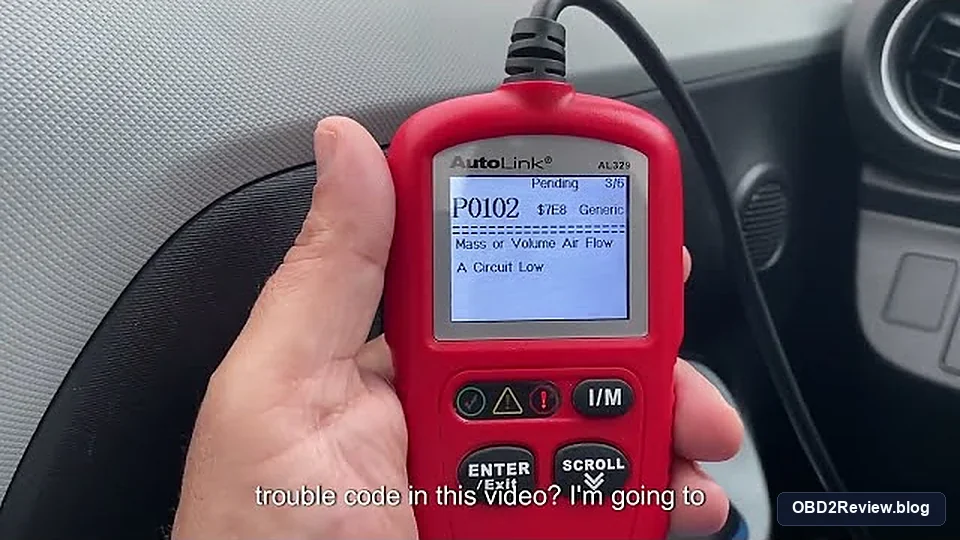
Diagnostic systems divide faults into distinct operational categories based on severity and recurrence. Recognizing these foundational vocabulary lists containing permanent records prevents wasted hours chasing ghosts under the dashboard.
Modern powertrain control modules utilize strict SAE J2012 protocols to categorize operational faults, translating sensor voltage anomalies into standardized alphanumeric strings that pinpoint specific subsystem failures across the vehicle network.
Engineers design these diagnostic frameworks to operate continuously during engine combustion, monitoring threshold parameters against baseline factory calibrations to ensure emissions compliance and optimal powertrain performance under varying environmental loads.
- ECUs prioritize faults using strict emission thresholds.
- Diagnostic memory maps isolate temporary glitches from hardware failures.
- Scan tools read multiple buffer registers simultaneously.
Core Diagnostic Terminology
Engine control modules utilize specific vocabulary lists containing permanent attributes to flag severe anomalies. These standardized terms ensure cross-manufacturer compatibility during advanced OBD2 troubleshooting sessions.
Other word forms like intermittent memory logs help isolate fleeting sensor dropouts before they mature into major engine component failures.
- Standardized acronyms streamline global diagnostic workflows.
- Manufacturer-specific extensions require advanced diagnostic software.
Understanding Permanent Diagnostic Trouble Codes in Modern Vehicles
Permanent trouble codes represent severe emission faults that resist basic diagnostic erasures. Review our obd2 diagnostic trouble codes explained guide to understand how modules lock registers until self-tests pass.
State inspection stations specifically scan for these locked indicators to prevent fraudulent code clearing. Understanding these mechanisms ensures your vehicle meets strict environmental standards without unexpected test failures.
Example sentences illustrating this behavior include technicians stating that permanent DTCs remain active despite battery disconnections. This unique persistence protects air quality compliance across all modern automobile fleets.
Permanent diagnostic trouble codes, designated as Mode $0A codes, act as strict tamper-resistant flags stored within deeply protected non-volatile memory segments of the engine control unit to prevent deceptive emission inspection clearance.
Unlike standard active faults, these stubborn diagnostic markers cannot be cleared using basic code readers or battery disconnect procedures, requiring specific drive cycle completion criteria set by the original equipment manufacturer.
Technicians must satisfy rigorous self-test parameters, including specific engine operating temperatures and vehicle speeds, allowing the internal monitoring system to verify that the underlying root mechanical failure is completely resolved.
- Permanent markers resist standard hand-held scanner resets.
- Complete drive cycles are mandatory for automatic clearing.
- Inspectors check these bits to verify emissions readiness.
Regulatory Impact of Locked Faults
Environmental protection agencies mandate permanent code retention to eliminate deceitful diagnostic workarounds. Mechanics must repair the root mechanical issue rather than relying on quick digital patches.
Random word occurrences of sensor faults will trigger these secure memory blocks if parameters exceed factory calibration limits repeatedly.
- Agencies enforce strict anti-tampering protocols.
- Hardware repairs remain the only true solution.
Decoding Pending Trouble Codes During Routine Drive Cycles
Pending trouble codes act as early warning indicators for developing powertrain abnormalities. Review how to clear obd1 codes without a scanner steps when working on older vehicles lacking modern OBD2 diagnostics.
Catching these preliminary flags allows mechanics to address failing components before secondary damage occurs. Advanced scan tools display these temporary registers clearly for rapid diagnostic evaluations.
Example sentences highlighting their utility note that pending codes often revert to historical data if the sensor normalizes quickly during highway cruising.
Pending trouble codes represent preliminary fault detections logged in volatile RAM buffers when a single sensor reading strays outside expected parameters during a transient vehicle operation phase without tripping the dashboard malfunction indicator lamp.
If the powertrain control module registers the identical anomaly during a subsequent consecutive trip, the pending status escalates into a confirmed active fault, triggering the permanent storage protocol and illuminating the instrument cluster warning light.
Capturing these transient flags requires advanced live data streaming capabilities on professional diagnostic scanners, allowing automotive technicians to observe intermittent sensor dropouts before they permanently alter long-term fuel trim calculations.
- Pending flags appear after a single threshold violation.
- Dashboard warning lamps stay off during initial detection.
- Intermittent issues manifest primarily as pending logs.
Capturing Intermittent Sensor Glitches
Random word anomalies in wiring harnesses frequently create fleeting electrical spikes that register as pending trouble codes. Technicians monitor these volatile buffers to trace elusive intermittent electrical gremlins.
Utilizing graphing multimeters alongside your OBD2 scanner confirms whether a pending fault stems from faulty wiring or actual component degradation.
- Electrical noise frequently triggers false pending flags.
- Graphing tools isolate genuine sensor failures quickly.
ECU Memory Architecture and Diagnostic Readiness Monitors
Vehicle control units utilize sophisticated memory architectures to separate volatile RAM from non-volatile EEPROM storage. This structural division dictates how diagnostic trouble codes are stored and retrieved.
Readiness monitors continuously evaluate subsystems like catalysts, oxygen sensors, and evaporative emissions. Each monitor must run its designated diagnostic algorithm to validate system health thoroughly.
Powertrain control units allocate distinct memory registers for volatile keep-alive memory and EEPROM storage, separating temporary sensor fluctuations from codes covered in how to clear codes on car with scanner guides.
When an automotive technician clears diagnostic codes, internal readiness monitors reset to an incomplete state, forcing the vehicle through specific operating conditions to re-establish valid baseline data for emissions certification testing facilities.
- Volatile memory loses diagnostic data upon battery removal.
- Non-volatile storage preserves permanent emission fault records.
- Readiness monitors verify complete system self-assessments.
Monitor Completion Criteria
Satisfying monitor completion criteria requires precise vehicle operating conditions including specific speeds and engine temperatures. Ignoring these parameters delays readiness status achievement significantly.
Other word forms such as drive cycle criteria describe the exact road conditions needed to cycle every onboard diagnostic monitor successfully.
- Cold starts initiate catalyst efficiency evaluations.
- Steady highway cruising tests oxygen sensor responsiveness.
Diagnostic Tool Compatibility and OBD2 Scanner Retrieval Limits
Basic code readers often lack the software sophistication required to query permanent emission fault registers deeply. Professional-grade scan tools are necessary to interpret complex ECU memory maps accurately.
Understanding scanner limitations prevents misdiagnoses when troubleshooting stubborn vehicle emission readiness monitors and hidden diagnostic trouble codes.
Basic code readers often lack the specialized software architecture required to query Mode $0A permanent registers, whereas advanced bidirectional scan tools communicate directly with proprietary module addresses to extract comprehensive diagnostic data streams.
Technicians must verify that their diagnostic equipment supports enhanced protocol languages like CAN FD to accurately interpret deep memory fault logs across modern multi-gateway vehicle architectures without experiencing data communication timeouts.
- Basic readers show active and pending codes only.
- Advanced tools display permanent diagnostic status bits.
- Bidirectional controls help force drive cycle monitors.
Evaluating Scan Tool Performance
Professional scan tools decode manufacturer-specific hexadecimal data streams far better than generic aftermarket gadgets. Investing in quality equipment saves valuable diagnostic time in busy automotive repair facilities.
Example sentences from senior technicians emphasize that proper software updates are crucial for reading obscure permanent fault flags correctly.
- Hexadecimal data translation requires updated software libraries.
- Manufacturer coverage dictates overall diagnostic utility.
Environmental Regulations and State Emissions Testing Protocols
State inspection programs rely heavily on standardized OBD2 readiness parameters to enforce clean air mandates. Vehicles harboring permanent emission faults fail inspection regardless of dashboard light status.
Compliance officers utilize specialized computer interfaces to verify that no permanent fault codes hide within the powertrain control module memory banks.
State inspection stations utilize standardized OBD2 connection interfaces to verify that all mandatory readiness monitors have executed successfully and that zero Mode $0A permanent diagnostic trouble codes remain active within the system.
Environmental protection mandates strictly prohibit technicians from using temporary bypass devices or battery resets, as modern inspection software immediately flags incomplete monitor statuses and rejects vehicles failing strict tailpipe emissions standards.
- Emissions testing prioritizes permanent fault code absence.
- Unset readiness monitors cause immediate test rejections.
- Standardized protocols ensure fair vehicle evaluation nationwide.
Preparing Vehicles for Official Inspection
Proper vehicle preparation involves completing all necessary drive cycles to clear pending faults and satisfy emission monitors. Mechanics must verify all readiness indicators read complete prior to testing.
Other word forms like inspection readiness describe the precise electronic state required for passing modern state vehicle emissions evaluations.
- Complete all drive cycles before heading to testing.
- Verify zero permanent codes exist in system memory.
Best Diagnostic Practices for Automotive Technicians and DIYers
Developing a systematic diagnostic routine separates amateur guessers from professional automotive technicians. Always begin troubleshooting by scanning for both pending and permanent trouble codes simultaneously.
Documenting freeze-frame data associated with pending faults helps recreate elusive mechanical conditions in a controlled workshop environment before replacing expensive parts.
Professional technicians should always record freeze-frame data parameters before clearing any diagnostic trouble codes, ensuring crucial sensor values related to engine load and fuel pressure remain available for subsequent root-cause analysis.
Maintaining a systematic diagnostic workflow prevents unnecessary component replacement, ensuring that both intermittent pending issues and stubborn permanent codes are addressed through verified factory service manual repair procedures and proper drive cycles.
- Scan all available memory registers during initial intake.
- Analyze freeze-frame parameters to understand failure context.
- Verify repairs by confirming monitor completion status.
Executing Effective Repair Verifications
Verifying a repair demands more than simply erasing faults. Follow how to clear codes with obd2 scanner instructions to ensure permanent flags clear naturally through verified drive cycles.
Random word occurrences during road tests should be monitored closely using live data streaming to guarantee long-term system reliability.
- Live data streaming confirms proper sensor operation.
- Completed drive cycles prove permanent fault resolution.
Frequently Asked Questions
Can you manually erase permanent diagnostic trouble codes with a standard OBD2 scanner?
No, permanent codes cannot be manually deleted using standard tool commands because the ECU locks them until specific self-tests pass successfully.
Why does my check engine light remain off when my scanner detects a pending trouble code?
Pending codes are preliminary warnings that require multiple fault occurrences before triggering the dashboard warning lamp for the driver.
What happens to pending trouble codes if the vehicle operates normally for several drive cycles?
The powertrain control module will automatically erase the pending fault from memory if the triggering condition does not recur during subsequent trips.
Will a vehicle pass a state emissions inspection if it has stored permanent trouble codes?
Vehicles will automatically fail state emissions tests if permanent codes remain present, even if no check engine light is currently illuminated on the dashboard.
What is the primary difference between permanent trouble codes and historical diagnostic trouble codes?
Permanent codes resist manual clearing and verify emission compliance, whereas historical codes are inactive past anomalies saved for reference by technicians.