Xtool A30M vs. D7: Which Fits Your Setup Better?
Selecting between diagnostic interfaces requires analyzing architecture, wireless protocols, and physical form factors. Understanding these differences ensures optimal shop efficiency and dependable module programming workflows.

The Xtool D7 dominates standalone tablet workflows, while the Xtool A30M excels as an ultra-portable wireless dongle paired with smart devices.
Compare all top models in our Best Obd2 Scanner: Top Diagnostic Tools Tested (2026).
Side-by-Side Breakdown
| Criteria | Xtool A30M | D7 | Edge |
|---|---|---|---|
| Peak Performance & Output | Quad-core mobile processing | Quad-core dedicated tablet | Xtool D7 |
| Duty Cycle & Consistency | Bluetooth wireless stability | Wired cable reliability | Xtool D7 |
| Operating Noise & Vibration | Completely silent operation | Passive fanless cooling | Tie |
| Portability & Footprint | Extremely compact pocket size | Standard 7-inch tablet body | Xtool A30M |
| Maintenance & Service Life | App-dependent software lifespan | Dedicated operating system base | Xtool D7 |
| Power Requirements | Powered via vehicle OBD port | Internal rechargeable lithium battery | Xtool D7 |
| Best Ideal Use-Case | Mobile technicians with tablets | Dedicated bays and workshops | Xtool D7 |
Architectural Design and Hardware Foundations
Evaluating diagnostic hardware starts with examining internal processing units and physical construction materials. The Xtool A30M relies on a compact dongle architecture that streams data wirelessly to external smart devices.
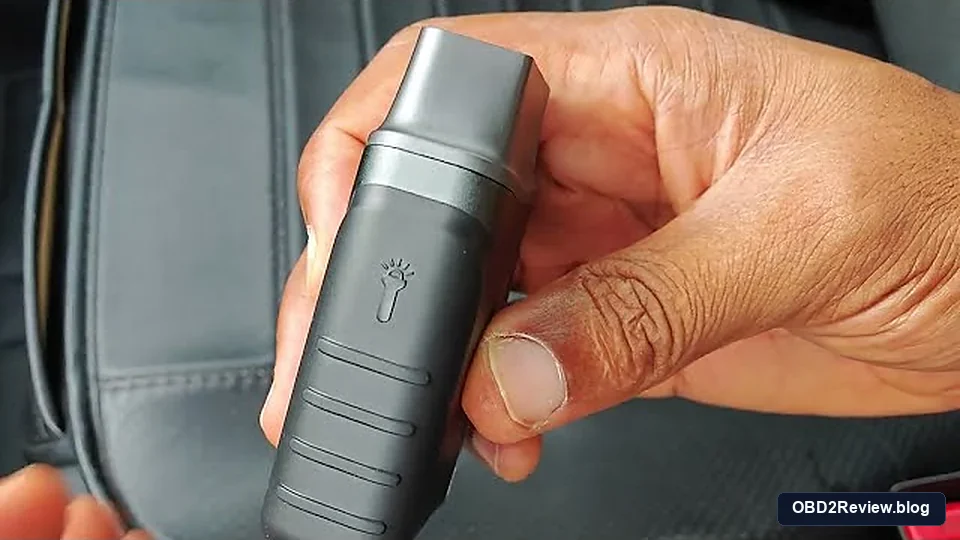
Conversely, the Xtool D7 integrates processing hardware into a ruggedized standalone tablet housing.
Internal circuit boards across both diagnostic tools utilize surface-mount technology to withstand continuous workshop vibrations. Engineers designed the D7 housing with reinforced polymer corners to absorb accidental drops onto concrete shop floors.
Meanwhile, the A30M relies on a minimalist plastic shell protected by its permanent OBD connector alignment, matching the compact build quality expected from any best obd ii bluetooth scanner on the market.
- Standalone tablet versus wireless dongle system architecture
- Ruggedized polymer casing designed for heavy shop environments
- Surface-mount circuit boards rated for high thermal tolerance
Internal Processing and Memory Specs
Processing power dictates how rapidly diagnostic trouble codes translate into actionable repair data. The Xtool D7 features an optimized quad-core processor paired with dedicated system memory for snappy navigation.
Meanwhile, the A30M delegates all heavy computational tasks to your mobile device's processor.
System memory capacity directly impacts multi-module scanning speeds across modern CAN-bus architectures. Technicians running extensive live data graphing will notice superior frame refresh rates on the integrated tablet screen compared to wireless streaming.
- Quad-core processors handling complex diagnostic algorithms
- Dedicated system memory improving data refresh rates
Diagnostic Capabilities and Protocol Coverage
Modern vehicle networks demand comprehensive protocol compatibility. When choosing the best obd2 scanner, verify support for manufacturer-specific diagnostic pathways. The A30M provides full-system diagnostics through an intuitive mobile application interface.
Deep diagnostic sweeps require robust software packages capable of reading ABS, SRS, and transmission modules. The Xtool D7 matches this extensive coverage while offering an unhindered local file storage structure.
Technicians can instantly review historical freeze-frame data without worrying about external Bluetooth connection drops.
- Full-system diagnostic scanning across major global vehicle brands
- Extensive support for proprietary body and chassis control modules
- Reliable protocol translation for older OBD1 and modern CAN networks
Module Coding and Adaptation Depth
Advanced repairs frequently require variant coding and module initialization after physical component replacements. The Xtool D7 handles sophisticated adaptations smoothly thanks to its stable internal power source and software environment.
Users leveraging the A30M must maintain steady Bluetooth pairing during critical coding procedures.
Executing adaptations incorrectly can permanently brick expensive electronic control units within modern vehicles. Therefore, maintaining a reliable data link during coding sessions remains an absolute engineering priority for professional technicians.
- Variant coding capabilities for replacement module configuration
- Critical need for stable data links during ECU flashing
User Interface, Ergonomics, and Display Metrics
Ergonomic design directly influences technician fatigue levels during extended diagnostic troubleshooting sessions. Unlike many best obd2 bluetooth scanners, the Xtool D7 features a vibrant touchscreen optimized for bright shop lighting.
This dedicated display eliminates glare and provides immediate access to vital parameters.
Operating the A30M requires users to juggle an external smartphone or tablet while handling the vehicle steering wheel. While this setup reduces the physical weight in your hands, managing two separate devices introduces unnecessary workflow friction.
- Seven-inch high-definition touchscreen on the dedicated tablet unit
- External device dependency for the compact wireless dongle format
- Optimized icon layouts designed for rapid diagnostic navigation
Data Graphing and Visualization Quality
Viewing multiple live sensor streams simultaneously demands high display resolution and responsive touch controllers. The Xtool D7 allows technicians to merge up to four PID graphs into a single readable screen layout.
This capability makes spotting intermittent sensor dropouts significantly easier.
The A30M streams identical graphing metrics to your paired phone, though screen real estate remains a limiting factor. Technicians with older mobile devices may experience stuttering when plotting high-frequency fuel trim data.
- Simultaneous multi-parameter PID graphing capabilities
- High-frequency data plotting for intermittent sensor diagnosis
Bi-Directional Control and Active Testing Performance
Active testing allows mechanics to command actuators directly to verify mechanical component integrity. Both diagnostic platforms support bi-directional commands for fuel pumps, cooling fans, and window motors.
The Xtool D7 executes these active tests with zero latency due to direct hardware integration.
Wireless execution via the A30M introduces minor latency windows during rapid-fire actuator testing sequences. While negligible for basic inspections, this delay can slightly hinder precise diagnostic troubleshooting on complex hydraulic systems.
- Comprehensive bi-directional controls for actuator verification
- Direct hardware integration ensuring minimal command latency
- Reliable component testing for fuel pumps and cooling systems
Special Reset Functions and Service Resets
Routine maintenance requires dependable service reset procedures for oil life, electronic parking brakes, and steering angles. The Xtool D7 houses these reset shortcuts within a cleanly organized service menu structure. Technicians can complete routine bay maintenance in mere minutes.
Similarly, the A30M packs an identical suite of special reset functions into its software architecture. The primary operational difference lies in how quickly you can navigate the menus using dedicated hardware versus touchscreens.
- Dedicated shortcut menus for oil life and EPB resets
- Rapid service execution for high-volume maintenance bays
Maintenance, Updates, and Firmware Management
Keeping diagnostic tools updated ensures continued compatibility with newly released vehicle platforms and communication protocols. The Xtool D7 utilizes built-in Wi-Fi connectivity to download large software packages directly to internal storage. This standalone update process requires zero external computer equipment.
Updating this A30M involves downloading patches via smartphone before pushing firmware over Bluetooth. This wireless update method matches any best bluetooth odb2 scanner standard, though it demands a robust internet connection.
- Direct Wi-Fi software downloads on the standalone tablet
- App-based firmware management for the compact wireless dongle
- Regular database expansions covering new global vehicle models
Software Licensing and Subscription Models
Diagnostic software longevity depends heavily on manufacturer support and ongoing update availability. Both tools typically include multi-year software updates bundled directly into the initial purchase price. The Xtool D7 manages renewals smoothly through its onboard registration portal.
Managing licenses on the A30M requires active connectivity with the mobile application management servers. Ensuring your account credentials remain updated prevents unexpected software lockout situations in the field.
- Bundled software updates extending diagnostic database longevity
- Streamlined registration portals for license renewals
Power Efficiency and Thermal Management Under Load
Electronic diagnostic tools generate internal heat during prolonged diagnostic sessions involving extensive module coding. The Xtool D7 utilizes a fanless passive cooling design that dissipates thermal energy safely across its chassis.
This silent operation prevents dust and metal shavings from entering internal components.
Operating entirely off vehicle battery power via the OBD port, the A30M draws minimal electrical current. This efficient design ensures the dongle never overheats, even during extended diagnostic logging sessions in hot climates.
- Fanless passive cooling protecting internal electronics from debris
- Ultra-low power draw via the vehicle diagnostic port
- Reliable thermal management during extended coding sessions
Battery Endurance and Field Charging Specs
Standalone tablets require robust internal batteries to survive demanding work shifts away from wall chargers. The Xtool D7 incorporates a high-capacity lithium polymer battery capable of hours of continuous usage.
Technicians can easily complete a full shift without tethering the unit.
Because the A30M draws power directly from the vehicle port, it requires no internal battery charging. This design eliminates battery degradation worries but renders the tool unusable away from a powered vehicle connector.
- High-capacity lithium battery powering the standalone tablet
- Zero internal battery maintenance required for the dongle
Field Deployment Scenarios and Workflow Suitability
Selecting the correct diagnostic tool depends heavily on your specific daily working environment and mobility needs. Mobile mechanics frequently servicing multiple locations will appreciate the ultra-portable footprint of the wireless dongle format. It fits easily into any tool pouch.
Conversely, technicians working inside fixed automotive repair bays will find the Xtool D7 vastly superior. Its dedicated screen, robust build quality, and self-contained operating system streamline daily troubleshooting workflows.
- Ultra-portable wireless design ideal for mobile technicians
- Dedicated tablet form factor tailored for busy workshop bays
- Workflow optimization based on daily repair environment demands
Making Your Final Equipment Investment Decision
Weighing your diagnostic needs against hardware limitations ensures your equipment investment yields maximum productivity. Choose the Xtool D7 if you prefer a standalone tablet with zero app pairing hassles. Opt for the A30M if minimalist pocket portability is paramount.
Both units deliver exceptional diagnostic depth, meaning your final choice comes down to personal ergonomic preferences. Evaluate your workspace habits carefully before committing to either specialized diagnostic platform.
- Balancing upfront equipment costs with daily workflow demands
- Prioritizing ergonomic preferences for long-term user comfort
Frequently Asked Questions
Can both scanners perform bi-directional active tests?
Yes, both diagnostic tools support full bi-directional controls and active testing protocols. The Xtool D7 executes these commands with lower latency due to its direct hardware integration.
Does the Xtool A30M require an internet connection to operate?
Basic code reading functions operate offline, but updating software requires active internet connectivity. The A30M relies on your paired smartphone for downloading essential database packages.
Which scanner is better suited for professional repair shops?
The Xtool D7 suits permanent shop environments much better thanks to its rugged tablet housing. Its dedicated screen eliminates the need for juggling personal mobile devices during repairs.
How do software updates differ between these two models?
The Xtool D7 downloads updates directly via onboard Wi-Fi to internal storage. Meanwhile, the A30M pushes downloaded patch files through your connected mobile application interface.
Are subscription renewal fees required after purchase?
Both models typically include multiple years of software updates bundled in the initial box. You can continue using existing software indefinitely once active update periods eventually expire.