Zurich ZR4 vs ZR8: Comprehensive Diagnostic Comparison
Comparing the Zurich ZR4 and ZR8 reveals distinct diagnostic capabilities. Choosing the right tool depends on your specific automotive repair workflow and vehicle coverage needs.

The Zurich ZR4 excels at foundational emissions checks and standard OBD2 code retrieval. For advanced bidirectional controls and deeper system coverage, the ZR8 is the superior professional choice.
Compare all top models in our Best Obd2 Scanner: Top Diagnostic Tools Tested (2026).
Side-by-Side Breakdown
| Criteria | Zurich ZR4 | ZR8 | Edge |
|---|---|---|---|
| Peak Performance & Output | Standard code reading speed | High-speed data processing | ZR8 |
| Duty Cycle & Consistency | Reliable for daily quick scans | Engineered for heavy shop use | ZR8 |
| Operating Noise & Vibration | Silent handheld operation | Ruggedized silent housing | Tie |
| Portability & Footprint | Compact ergonomic form factor | Slightly larger protective shell | Zurich ZR4 |
| Maintenance & Service Life | Standard firmware updates | Extended modular support life | ZR8 |
| Power Requirements | Standard vehicle port powered | Vehicle powered with internal backup | ZR8 |
| Best Ideal Use-Case | DIYers and quick emissions tests | Advanced technicians and deep diagnostics | ZR8 |
Comparing Core Diagnostic Capabilities: How the Entry-Level Zurich ZR4 and Advanced ZR8 Differ When Handling Basic Powertrain Faults and Routine Emissions Readiness Testing in Home Garages
Everyday automotive maintenance often requires rapid access to basic powertrain fault codes. Selecting a reliable entry-level tool prevents minor dashboard lights from escalating into major mechanical failures over time.
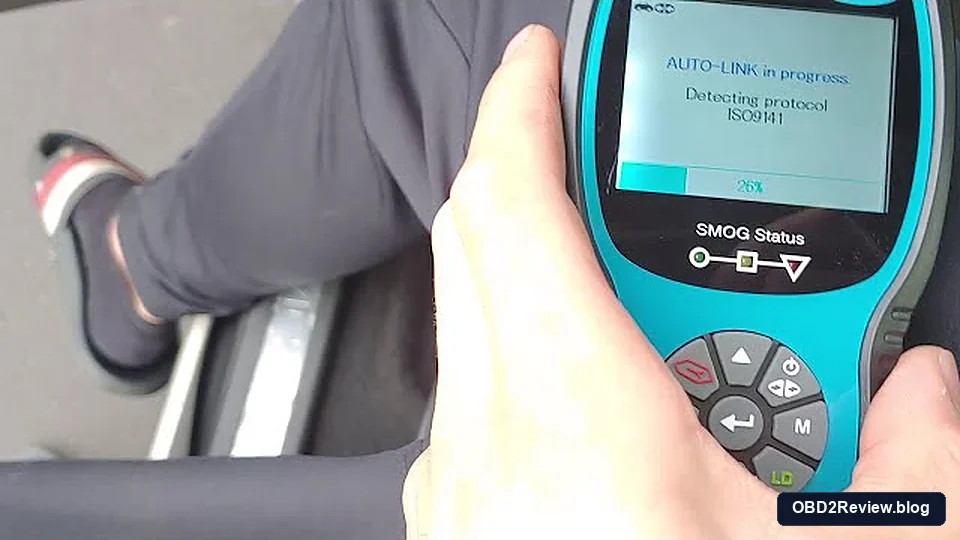
The Zurich ZR4 is engineered specifically for straightforward diagnostic workflows. It delivers fast readiness monitor status updates for quick state emissions testing without unnecessary complexity.
When evaluating basic powertrain faults, the Zurich ZR4 delivers reliable generic OBD-II code reading alongside standard emissions readiness monitors for quick driveway pre-tests before official state inspections occur.
Exploring our Zurich ZR8 review highlights how stepping up introduces comprehensive live data graphing and expanded manufacturer-specific diagnostic trouble codes, giving DIY mechanics deeper insight into erratic sensor voltages.
- Quick access to standard diagnostic trouble codes
- Streamlined emissions readiness monitor checks
- Ideal for frequent garage vehicle health assessments
Emissions Readiness and Basic Code Retrieval
State emissions testing demands clear status indicators from internal vehicle monitors. The entry-level architecture simplifies checking catalyst, oxygen sensor, and evaporative system readiness states instantly.
Users can clear historical fault codes once repairs are completed. This resets the monitor cycle cleanly without requiring expensive dealership intervention or specialized calibration equipment.
- Instant I/M readiness status LED indicators
- Effortless historic fault code clearing capability
Advanced Diagnostic Capabilities for Complex Needs
Professional automotive repair shops require advanced software packages to handle intricate electronic control modules. Modern vehicles integrate complex communication networks that demand high-tier diagnostic scanning hardware.
Stepping up to the ZR8 unlocks extensive system coverage beyond standard powertrain modules. Technicians gain access to anti-lock braking systems, supplemental restraint systems, and body control modules.
Tackling complex automotive networks requires robust protocol support, meaning the ZR8 excels by communicating smoothly across high-speed CAN and older bus architectures to retrieve hidden body and chassis modules.
Advanced users benefit greatly from graphing multiple live data parameters simultaneously, which helps isolate elusive fuel trim anomalies or failing oxygen sensors under actual load conditions during road testing.
- Comprehensive ABS and SRS module diagnostics
- Advanced live data graphing and recording functions
- Enhanced vehicle communication network protocol support
Expanding Beyond Powertrain Diagnostics
Basic scanners limit users strictly to engine management computers and basic emission parameters. Advanced troubleshooting requires diving deep into chassis and body electronic control units seamlessly.
The advanced hardware configuration supports bi-directional active tests. This allows mechanics to command specific components directly from the diagnostic tool interface during troubleshooting.
- Chassis and body control module integration
- Bi-directional component activation testing
Matching Scanners to Specific Vehicle Types
Automotive protocols vary significantly across domestic, Asian, and European vehicle manufacturers. Selecting an appropriate diagnostic tool ensures full compatibility with your specific fleet of automobiles.
Both Zurich units offer robust OBD2 protocol compliance for modern vehicles, but our Zurich ZR8 code reader review details how deeper proprietary module integration favors advanced devices for mixed fleets.
Selecting the right scan tool depends heavily on your vehicle fleet, as older OBD-I vehicles or specialized European imports often demand advanced software integration beyond simple powertrain coverage.
While the ZR4 handles standard domestic and Asian light-duty trucks effortlessly, technicians servicing multi-brand fleets will appreciate the extended module coverage engineered directly into the higher-tier ZR8 firmware.
- Universal compliance with post-1996 vehicles
- Manufacturer-specific protocol translation accuracy
- Optimized module scanning across diverse platforms
Domestic Versus Import Compatibility
Domestic trucks and cars communicate using standard SAE J1850 and CAN protocols. Both scanners read these standard domestic data streams with exceptional speed and reliable accuracy.
Imported luxury vehicles often utilize complex multi-network architectures. The advanced processing power of the higher-tier scanner prevents communication timeouts during deep module scans.
- Seamless domestic CAN bus communication
- Reliable handling of complex import networks
Ergonomics, Build Quality, and Portability
Physical durability in greasy shop environments dictates the long-term utility of diagnostic equipment. Scanners must feature impact-resistant casings and tactile button layouts for gloved operation.
The Zurich ZR4 features a lightweight, compact footprint that fits easily into a pocket. Conversely, the ZR8 utilizes a ruggedized shell designed for demanding professional workshop settings.
Workshop environments demand tough hardware, so both units feature ruggedized rubber boots designed to absorb accidental drops against concrete garage floors during hectic diagnostic sessions.
Button tactile feedback remains critical when wearing greasy mechanics gloves, and both scanners utilize distinct, raised keypads that ensure positive actuation without requiring direct visual confirmation.
- Impact-resistant outer rubberized protective boots
- Tactile silicone buttons for easy glove navigation
- High-contrast color display screens for bright sunlight
Screen Legibility and Button Layout
Reading diagnostic data inside a dimly lit engine bay requires high-resolution backlit displays. Both units offer clear graphical screens, but the advanced model provides larger data windows.
Physical button arrangement minimizes accidental menu inputs during high-stress troubleshooting sessions. Ergonomic contours reduce hand fatigue during extended diagnostic verification procedures.
- Backlit color screens for dark workspaces
- Ergonomic housing contours reduce hand fatigue
Real-World User Experiences and Diagnostics
Field feedback highlights distinct operational strengths when comparing these two popular diagnostic tools. Everyday users value straightforward menus, while technicians demand robust data logging capabilities.
Real-world garage stories consistently praise the entry-level unit for speed during quick inspections. Meanwhile, professional mechanics rely on the advanced unit for solving persistent intermittent electrical faults.
Real-world troubleshooting often highlights software navigation speeds, which you can examine closely in our Zurich ZR8 reader review covering boot times and menu transitions during live data analysis.
Users frequently praise the clear on-screen definitions provided by both tools, minimizing the need to reference bulky service manuals or external internet databases for standard diagnostic trouble codes.
- Fast boot times for rapid roadside inspections
- Reliable live data logging for intermittent glitches
- Intuitive menu structures for novice technicians
Navigating From Diagnosis to Effective Repair
Accurate code retrieval represents only the first step in successful automotive repair operations. Technicians must interpret freeze-frame data to understand exact operating conditions during failure.
Clear definitions displayed on screen eliminate the need for manual code lookups. This streamlines the workflow from initial vehicle scan to final mechanical component replacement.
- Detailed freeze-frame parameter data capture
- On-screen code definitions speed up repairs
Latest Diagnostic Innovations and Future Proofing
Automotive technology evolves rapidly with the widespread adoption of advanced driver assistance systems. Diagnostic tools must support regular firmware updates to maintain compatibility with new vehicle releases.
Choosing a tool with robust update capabilities ensures long-term value protection, as detailed in our Zurich ZR11 reader review highlighting expanded memory and faster update processing for modern electronic systems.
Modern diagnostic tools must accommodate evolving vehicle electronics, making update capability via USB a vital feature for maintaining compatibility with newly released powertrain management protocols.
Investing in a future-proof scanner ensures your equipment won't become obsolete as manufacturers introduce complex hybrid systems and advanced driver assistance modules requiring specialized communication standards.
- Regular software updates for new vehicle protocols
- Expanded internal memory for data storage
- Future-proof hardware architecture designs
Firmware Updates and Software Ecosystems
Keeping diagnostic software current prevents communication errors with newly manufactured vehicle computers. Manufacturer update portals make downloading the latest database patches simple and fast.
Robust update support extends the functional service life of your diagnostic investment significantly. This ensures reliable performance across evolving automotive communication standards for years.
- Simple online manufacturer update procedures
- Extended functional tool service life span
Frequently Asked Questions
Can the Zurich ZR4 read ABS and SRS codes?
No, the entry-level Zurich ZR4 focuses exclusively on powertrain diagnostics and emissions readiness. For anti-lock brakes and airbags, you must choose the advanced ZR8 model.
Are both scanners compatible with older pre-1996 vehicles?
Neither scanner supports pre-1996 OBD1 vehicles without specialized adapter cables. Both units are strictly designed for standard OBD2 protocols found on modern cars.
How do I update the software on my Zurich scanner?
You can easily update your device by connecting it to a computer via USB. Simply download the latest files from the official manufacturer portal to install.
Do these diagnostic tools require batteries for operation?
No external batteries are required because both tools draw power directly from the vehicle port. This ensures they are always ready for immediate use during inspections.
Which Zurich scanner is better for a beginner DIY mechanic?
The Zurich ZR4 is ideal for beginners due to its simple interface and affordability. It provides fast code clearing and essential emissions checks without overwhelming complexity.