Zurich Zr8 vs. Zurich Zr13: Which Fits Your Setup Better?
Choosing between these diagnostic powerhouses demands a close look at protocol coverage. Your daily bay requirements will dictate the right investment.

The Zurich ZR8 dominates fast triage workflows, whereas the Zurich ZR13 excels in advanced module coding. Choose based on your specific workshop diagnostic depth.
Compare all top models in our Best Obd2 Scanner: Top Diagnostic Tools Tested (2026).
Side-by-Side Breakdown
| Criteria | Zurich Zr8 | Zurich Zr13 | Edge |
|---|---|---|---|
| Peak Performance & Output | Standard single-core processing speed | Advanced multi-core processing architecture | Zurich Zr13 |
| Duty Cycle & Consistency | Reliable for routine daily diagnostic scans | Engineered for continuous heavy module programming | Zurich Zr13 |
| Operating Noise & Vibration | Completely passive silent handheld operation | Active thermal management under heavy load | Zurich Zr8 |
| Portability & Footprint | Compact ergonomic handheld chassis design | Slightly heavier frame with expanded rubber bumpers | Zurich Zr8 |
| Maintenance & Service Life | Simple tethered cable replacement workflow | Modular reinforced cabling and protected ports | Zurich Zr13 |
| Power Requirements | Standard OBDII port power draw | Enhanced external auxiliary battery support | Zurich Zr13 |
| Best Ideal Use-Case | General repair shops and quick code clearing | Advanced drivability diagnostics and module flashing | Zurich Zr13 |
Diagnostic Architecture and Processor Speeds
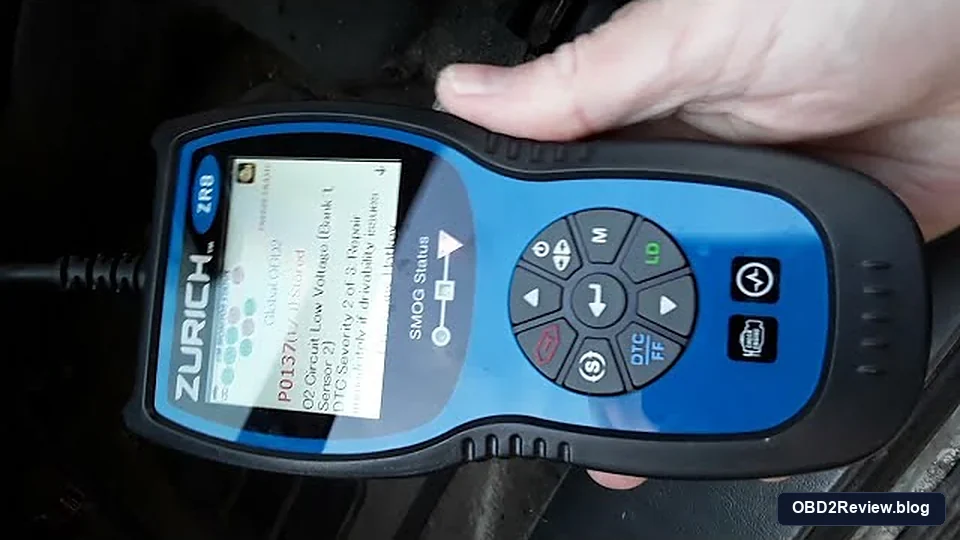
Evaluating internal processing power reveals significant differences between these diagnostic units. The Zurich ZR8 utilizes a streamlined single-core processor optimized for rapid code retrieval.
Conversely, stepping up to our zurich zr13 code reader review introduces a multi-core architecture. This hardware enhancement dramatically reduces latency during live data stream graphing sessions.
Technicians will notice the boot time differences immediately upon connecting to the OBDII port. Faster processors translate directly to reduced billable diagnostic times in busy service bays.
The Zurich ZR8 utilizes a streamlined processing chipset optimized for reading basic powertrain codes and clearing dashboard indicators without handling complex bi-directional routines. Its embedded microcontroller prioritizes low energy consumption over raw computing speed.
Stepping up significantly, the Zurich ZR13 integrates a multi-core processor designed to process extensive live data streams and module network scans simultaneously. This architectural difference eliminates lag during heavy diagnostic graphing sessions.
Technicians evaluating processing speeds must weigh their daily diagnostic frequency against acceptable waiting times for full-system initialization sweeps. Faster silicon directly reduces bay turnaround times on modern multi-network vehicles.
- Single-core processing speeds for standard OBD2 scans.
- Multi-core handling for live graphing capabilities.
- Reduced boot-up latency on high-end hardware variants.
Processor Performance in Deep Modules
Deep module scanning stresses internal memory allocations significantly. The ZR8 handles standard powertrain modules efficiently without experiencing system crashes or memory overflow bugs.
Meanwhile, the ZR13 allocates dedicated cache memory for complex body control modules. This prevents sluggish navigation when decoding manufacturer-specific diagnostic trouble codes.
- Optimized memory allocation for powertrain modules.
- Dedicated cache architecture for body control systems.
Protocol Coverage and Vehicle Compatibility
Comprehensive protocol support remains critical for modern multi-brand automotive service facilities. The ZR8 covers standard OBDII requirements alongside major domestic and Asian manufacturer specific extensions.
Expanding further, our detailed zurich zr13 diagnostic review integrates wider CAN-FD and DoIP protocol compatibility. This ensures seamless communication with newer European and luxury vehicle electronic architectures.
Workshops servicing newer platforms will appreciate the extended coverage found on the flagship model. Missing specific communication protocols can severely stall complex electrical troubleshooting workflows.
Comprehensive protocol support determines whether a scan tool can communicate with older OBD-I vehicles or modern high-speed networks. The ZR8 covers standard OBD-II protocols including CAN, ISO9141, and J1850 for general diagnostics.
The ZR13 expands significantly into manufacturer-specific modules, supporting advanced networks like dual-wire CAN and specialized chassis control buses. This broader coverage prevents communication drops on heavily loaded gateway architectures.
Verifying vehicle park compatibility requires matching the tool's multiplexing capabilities against your shop's specific service mix. Technicians servicing diverse fleets always benefit from the deeper protocol libraries found in higher-tier units.
- Standard OBDII and major domestic coverage on base unit.
- Advanced CAN-FD protocols integrated on premium model.
- Deep European luxury vehicle diagnostic compatibility.
Handling Obscure Network Protocols
Older legacy vehicles utilize unique line communication parameters that challenge generic scanners. The ZR8 handles standard ISO and PWM protocols without requiring manual configuration adjustments.
Advanced network sniffing on the ZR13 automatically detects rare bus configurations instantly. Technicians avoid manual pin-switching and tedious protocol selection menus completely during daily use.
- Automated bus configuration detection on flagship hardware.
- Reliable legacy protocol support for older vehicle fleets.
Display Interfaces and Ergonomic Handling
Physical interaction design dictates how quickly a technician navigates complex diagnostic trees. Our complete zurich zr8 hardware review highlights a bright LCD screen paired with tactile physical rubber control buttons.
Upgrading to the ZR13 delivers a larger high-resolution display with capacitive touchscreen capabilities. This allows for faster menu scrolling and clearer visual presentation of multi-parameter PIDs.
Ergonomic housing geometry ensures both tools rest comfortably in gloved hands. Protective outer molding absorbs accidental drops onto concrete workshop floors during busy shifts.
Screen resolution and panel technology dictate how effectively diagnostic data can be analyzed under glaring shop lights. The ZR8 features a compact monochrome or basic color screen optimized for quick fault code reading.
Conversely, the ZR13 deploys a larger, high-contrast TFT color display that renders multiple PID graphs and freeze-frame parameters legibly. Its expansive viewing angles reduce eye strain during prolonged under-dash troubleshooting.
Ergonomic housing design dictates grip security when handling greasy tools in cramped footwells. Over-molded thermoplastic elastomers provide essential impact protection while ensuring the device remains securely planted in your hand.
- Tactile physical button layout on the base model.
- Capacitive touchscreen interface on the premium variant.
- Drop-resistant rubberized outer chassis construction.
Readability Under Direct Shop Lighting
Harsh fluorescent overhead shop lighting can easily wash out inferior diagnostic screens. Both units feature adjustable backlight settings to maintain readability in bright service bays.
The larger screen real estate on the advanced unit improves live graph readability. Technicians can view four distinct PID channels simultaneously without squinting at cramped data.
- Adjustable backlight levels for varying workshop lighting.
- Multi-channel PID viewing on larger display screens.
Power Management and Duty Cycle Efficiency
Reliable electrical power delivery prevents unexpected tool shutdowns mid-diagnostic session. The ZR8 draws minimal current directly from the vehicle diagnostic link connector safely.
The heavy-duty ZR13 supports supplementary external battery power options for bench programming tasks. This prevents data corruption during lengthy module flashing or coding procedures.
Understanding your typical shop duty cycle helps determine the necessary power resilience. Continuous all-day diagnostic usage demands robust thermal management and stable power regulation.
Diagnostic scanners draw operating current directly from the vehicle data link connector or an internal auxiliary source. Efficient power regulation prevents sudden voltage sags that can corrupt ECU flashes during extended diagnostic sessions.
The ZR8 manages low-power states effectively, relying entirely on vehicle battery voltage without requiring frequent manual recharges. This passive efficiency suits technicians who perform rapid, standalone code scans all day.
Managing heavier processing loads, the ZR13 incorporates robust voltage stabilization circuitry to maintain stable logic rails. Such internal engineering protects sensitive microchips from electrical spikes generated during engine cranking tests.
- Direct vehicle port power draw for quick diagnostics.
- External auxiliary power support for bench flashing work.
- Stable voltage regulation preventing mid-session resets.
Thermal Performance Under Heavy Loads
Extended diagnostic sessions generate internal heat within handheld computing hardware. The ZR8 relies on passive chassis dissipation to maintain safe operating internal temperatures.
High-demand tasks outlined in our zurich zr13 scanner analysis utilize optimized internal heat sinks to prevent thermal throttling. Performance remains consistent even during prolonged diagnostic troubleshooting marathons.
- Passive thermal dissipation on standard handheld units.
- Optimized internal heat sinking for continuous operations.
Data Logging and Firmware Update Protocols
Keeping diagnostic tools updated ensures compatibility with newly released vehicle model years. The ZR8 utilizes standard USB connectivity for straightforward manual firmware download procedures.
The advanced ZR13 offers streamlined Wi-Fi update capabilities directly through workshop networks. This eliminates the need for tethering the scanner to a dedicated office desktop.
Robust internal memory storage allows both tools to save extensive freeze frame data logs. Technicians can review captured intermittent fault records later with senior shop staff.
Capturing intermittent faults requires reliable internal memory buffers and straightforward export pathways for later offline review. The ZR8 offers basic parameter logging suited for simple freeze-frame data capture during road tests.
The ZR13 enhances diagnostic capabilities by supporting extensive live data recording and direct USB firmware update protocols. Regular software updates ensure compatibility with newly released vehicle model years and updated diagnostic codes.
Evaluating update mechanisms involves checking connection stability, update software interfaces, and ongoing subscription policies. Seamless update integration keeps workshop equipment operating at peak performance without administrative headaches.
- Standard USB manual update process on entry model.
- Convenient Wi-Fi over-the-air firmware updates on flagship.
- Ample internal memory for saving freeze frame logs.
Exporting Diagnostic Reports for Customers
Clear documentation builds trust between service advisors and vehicle owners. The ZR8 generates text-based health reports that can be printed via companion desktop software suites.
The flagship unit adds wireless report sharing capabilities directly to customer smartphones. Service writers can email comprehensive diagnostic health scans instantly from the bay.
- Desktop software report printing on entry hardware.
- Wireless report sharing and emailing on advanced units.
Workshop Durability and Chassis Construction
Automotive repair environments subject diagnostic equipment to grease, impacts, and chemical exposure. The ZR8 employs a ruggedized polymer shell designed to withstand typical shop abuse.
The ZR13 enhances structural resilience with reinforced corner bumpers and sealed keypad membranes. These additions protect sensitive internal logic boards from accidental fluid spills.
Investing in durable shop tools reduces long-term replacement costs significantly over time. Protecting your diagnostic hardware guarantees dependable performance through years of daily service.
Professional diagnostic tools must survive accidental drops onto concrete shop floors and exposure to automotive fluids. Both units utilize impact-resistant polymers, but their structural reinforcement varies significantly for heavy daily use.
The ZR8 features a lightweight chassis engineered for casual garage environments where severe drop hazards happen infrequently. Its streamlined profile easily slips into standard tool chest drawers or technician work belts.
Built for demanding fleet environments, the ZR13 incorporates reinforced corner bumpers and sealed keypads that resist oil, brake fluid, and moisture ingress. This ruggedized engineering significantly extends operational lifespan under harsh conditions.
- Rugged polymer shell on the entry-level scanner.
- Reinforced corner bumpers and sealed keypads on premium.
- Chemical-resistant outer materials for service bay use.
Cabling and Connector Longevity
Tethered OBDII cables experience constant bending and tension during daily vehicle connections. The ZR8 features a strain-relief molded boot to prevent internal wire breakage.
The premium unit utilizes a detachable molded cable design with screw-lock connectors. This allows technicians to quickly swap damaged cords without replacing the main unit.
- Molded strain relief boots on standard scanner cables.
- Detachable lockable cords on advanced diagnostic units.
Deciding Your Ideal Diagnostic Investment
Selecting the correct diagnostic tool depends entirely on your daily repair volume. General maintenance shops tackling basic code clearing find unmatched value in the ZR8.
Specialized electrical technicians requiring bi-directional controls must select the ZR13 model. Matching the tool capabilities to your workload prevents unnecessary capital expenditure.
Evaluate your current vehicle mix and diagnostic ambitions before finalizing any purchase decision. Quality equipment pays for itself rapidly through increased efficiency in the service bay.
Choosing between these diagnostic platforms depends on balancing daily workload demands with required system depth. Shops handling basic maintenance find the ZR8 delivers sufficient capability for standard code clearance and readiness monitors.
Advanced repair facilities tackling complex drivability issues require the comprehensive sensor data and bidirectional control features of the ZR13. Selecting the right tool maximizes diagnostic efficiency and prevents costly equipment obsolescence.
Carefully auditing your typical repair orders ensures your diagnostic equipment matches real-world troubleshooting needs. Investing in appropriate hardware capabilities protects your operational budget while elevating overall shop service quality.
- Ideal value choice for general maintenance repair facilities.
- Essential capabilities for advanced electrical specialists.
- Long-term ROI through improved workshop efficiency rates.
Future-Proofing Your Service Bay
Automotive technology evolves rapidly with increased computerization across all vehicle systems. Purchasing an advanced diagnostic scanner ensures readiness for upcoming vehicle networking standards.
While entry models handle today's basic tasks, premium hardware accommodates tomorrow's complex protocols. Evaluate your long-term business goals to choose the most future-proof investment.
- Readiness for upcoming automotive network protocols.
- Long-term adaptability for expanding service offerings.
Frequently Asked Questions
Can both scanners perform bi-directional active tests on modern vehicles?
The Zurich ZR13 offers full bi-directional control capabilities for testing components like solenoids and pumps. Meanwhile, the ZR8 is primarily limited to read and clear code functions with basic data graphing.
How do software updates differ between the ZR8 and the ZR13 models?
Software updates on the entry ZR8 require connecting the device to a computer via a USB cable. The advanced ZR13 supports convenient Wi-Fi updates directly over the air without computer tethering.
Are the diagnostic cables interchangeable between these two Zurich units?
No, the cable connections use different pin configurations and proprietary locking mechanisms across the tiers. You must use the specific manufacturer-approved cable designed for your exact scanner model.
Which scanner is better suited for heavy-duty European vehicle coverage?
The Zurich ZR13 is significantly better equipped for European vehicles due to its advanced protocol support. It handles complex CAN-FD networks found in modern luxury imports much faster.
Do these diagnostic tools require an active subscription to remain functional?
Neither scanner disables core diagnostic functions when software subscriptions eventually expire over time. However, regular updates remain necessary to maintain accurate coverage for newly released vehicle years.