What Do Obd2 Letter Prefixes Mean: Diagnostic Guide
Decoding diagnostic trouble codes requires understanding standard formatting rules. These prefixes identify vehicle systems instantly.

Diagnostic trouble code prefixes categorize faults into powertrain, body, chassis, and network systems. Master these letters to diagnose underlying vehicle failures efficiently.
Looking for matching picks? See our Best Diagnostic Scanner For Bmw: Top Picks Reviewed.
Practical Quick-Reference Table
| Scenario / Metric | Recommended Target | Why It Matters |
|---|---|---|
| P-Prefix Faults | Powertrain system | Isolates engine and transmission issues |
| B-Prefix Faults | Body electronics | Targets cabin and lighting module failures |
| C-Prefix Faults | Chassis components | Focuses on suspension and braking mechanics |
| U-Prefix Faults | Network communication | Identifies CAN bus data transmission errors |
| Generic Codes | Standard SAE codes | Applies universally across all compliant vehicles |
| Manufacturer Codes | Enhanced proprietary | Provides brand-specific diagnostic depth |
Fundamentals of Diagnostic Trouble Code Architecture
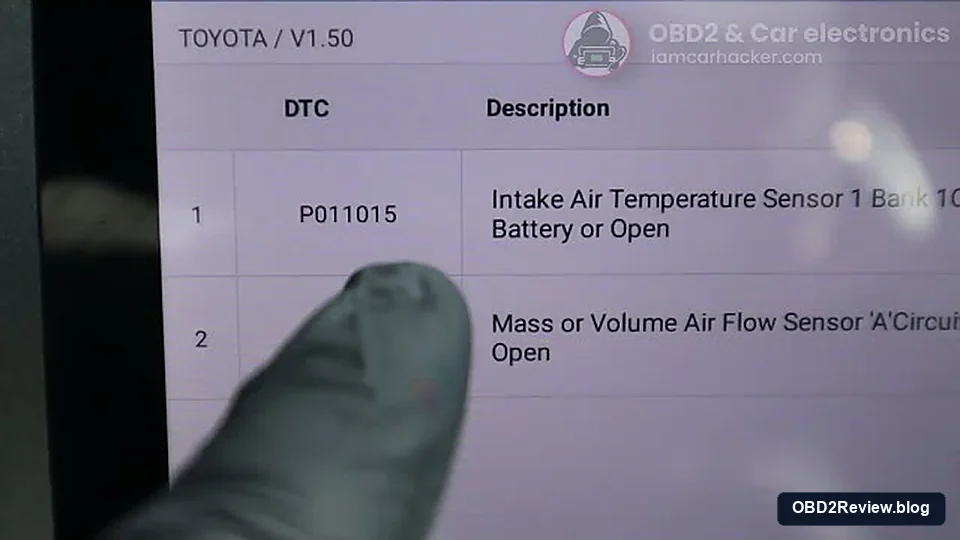
Modern vehicle diagnostics rely on standardized alphanumeric codes generated by the onboard computer. Every single trouble code begins with a letter that designates the primary vehicle system experiencing an active failure.
Engineers designed this strict taxonomy to streamline technician troubleshooting workflows. When isolating complex electrical and mechanical faults, choosing our best obd2 scanner model prevents excessive shop time during routine inspections.
The standard format utilizes a single letter followed by four numerical digits. These specific numbers provide granular detail regarding the exact circuit or component triggering the dashboard warning indicator light.
Understanding this foundational structure prevents misdiagnoses and ensures proper tool configuration. Technicians must always record the complete code before clearing system memory or initiating physical hardware replacement procedures.
- Always document the full alphanumeric code before clearing memory.
- Recognize that the initial letter dictates the overarching vehicle system.
- Consult manufacturer service manuals for specific proprietary code variations.
- Verify scanner protocol settings match the target vehicle communication standard.
Decoding the First Character Position
The initial character position acts as the primary category filter for all scan tool readouts. This letter narrows down the search space from thousands of possibilities to a specific vehicle domain.
Mastering this primary classification accelerates physical inspection steps in professional workshop environments. Technicians immediately know whether to grab a multimeter or a pressure gauge.
- Position one strictly defines the functional vehicle domain.
- Reduces diagnostic triage time significantly during busy schedules.
Powertrain System P-Prefixes and Engine Diagnostics
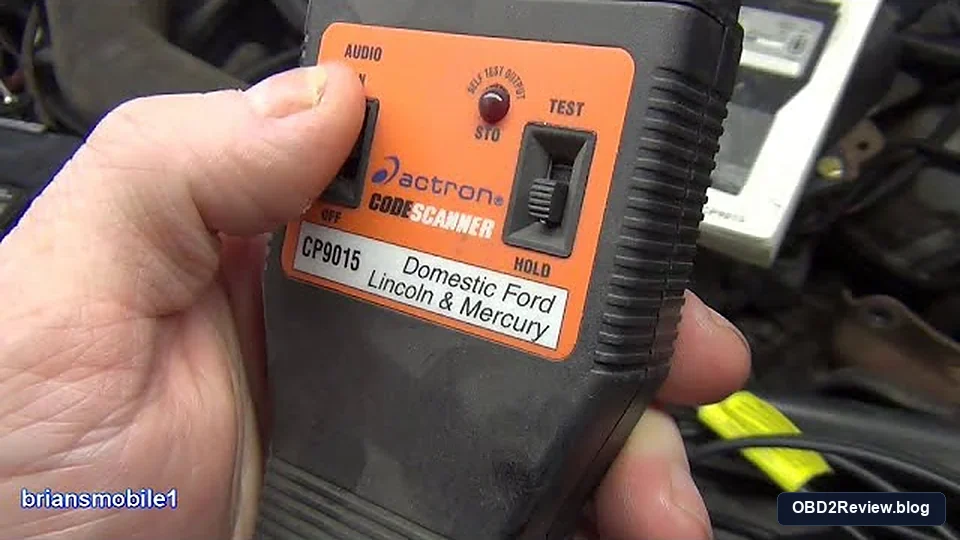
Codes starting with the letter P specifically designate powertrain malfunctions. This category covers engine management, fuel delivery, ignition systems, and automatic transmission operational parameters.
Because these components directly impact emissions and vehicle propulsion, powertrain faults trigger the dashboard check engine light immediately. They are heavily regulated by environmental protection agencies globally.
Sub-classifications separate standard generic codes from manufacturer-specific variations. Generic codes share identical meanings across every vehicle brand, while enhanced codes offer deeper proprietary insights.
Proper troubleshooting requires monitoring live sensor data alongside the stored trouble code. Mechanics evaluate fuel trim percentages and ignition timing angles to confirm mechanical root causes.
- Powertrain faults directly influence tailpipe emissions and fuel economy.
- Generic codes are mandated by regulatory standards for universal access.
- Enhanced codes require advanced diagnostic software for complete resolution.
- Always check related sensor reference voltages before replacing actuators.
Isolating Emission Control Failures
Emission-related powertrain codes often involve oxygen sensors or catalytic converters. Reviewing live data via our best obd2 bluetooth scanners helps technicians verify that these components reach exact operating temperatures.
Technicians must perform drive cycles to verify repairs after clearing powertrain codes. This ensures the onboard computer completes all required internal self-tests successfully.
- Monitor oxygen sensor switching speeds during live data sessions.
- Verify catalyst efficiency metrics meet statutory environmental thresholds.
Video Walkthrough: OBD II Connector and Fault Codes Explained
Body System B-Prefixes and Cabin Electronics
When an OBD2 scan tool displays a code starting with B, the fault resides within the body system. Diagnosing these complex cabin electronics typically requires the best professional obd2 scanner for accurate troubleshooting.
Common issues include power window malfunctions, airbag deployment warnings, and automated climate control failures. These systems rarely affect vehicle propulsion but heavily influence occupant safety.
Diagnosing body codes often requires advanced scanners capable of communicating with multiplexed door and dash modules. Generic basic readers frequently lack access to these specialized interior networks.
Technicians inspecting body faults should check for water intrusion around door harnesses. Corroded wiring pins frequently generate intermittent body trouble codes across modern vehicles.
- Body codes manage interior cabin features and passive safety equipment.
- Basic OBD2 readers often cannot access specialized body control modules.
- Inspect wiring harnesses for physical damage or moisture accumulation.
- Verify module software calibration levels during electrical troubleshooting tasks.
Navigating Interior Module Faults
Interior electronics rely heavily on dedicated sub-networks linked to the main computer. Technicians must isolate individual switches to determine if the failure is mechanical or electrical.
Always inspect fuse panels before condemning expensive interior control modules. Simple power supply issues frequently mimic complex internal module hardware failures.
- Test fuse continuity prior to replacing interior electronic components.
- Check ground strap connections for high resistance values.
Chassis System C-Prefixes and Braking Hardware
Chassis trouble codes begin with the letter C and relate to mechanical structures outside the cabin. This category covers anti-lock braking systems, traction control, and electronic suspension.
Because these systems dictate vehicle stability and stopping distance, C-prefix codes require rigorous diagnostic procedures. Wheel speed sensors and hydraulic modulators are frequent failure points.
Scan tools must support specific chassis protocols to read these advanced suspension modules accurately. Technicians often consult our obd2 code decoder while evaluating hydraulic pressure sensors and steering angle calibration.
Clearing a chassis code without fixing the underlying sensor alignment can compromise vehicle handling. Safety standards mandate thorough road testing after any brake system repair.
- Chassis codes monitor anti-lock brakes and electronic stability control.
- Wheel speed sensor faults generate persistent chassis warning indicators.
- Verify hydraulic brake pressure integrity before clearing stored codes.
- Perform steering angle sensor calibrations following front-end alignment.
Testing Wheel Speed Sensor Circuits
Faulty wheel speed sensors disrupt traction control and stability management systems. Technicians use digital multimeters to measure resistance and AC voltage output during rotation.
Ensure tone rings are free of metallic debris and rust accumulation. Physical obstruction prevents proper sensor signal generation during vehicle operation.
- Measure sensor air gap tolerances using non-magnetic feeler gauges.
- Inspect tone rings for chipped teeth or surface contamination.
Network System U-Prefixes and Module Communication
The letter U designates network and vehicle communication bus errors. These codes indicate that electronic control units are failing to transmit or receive data properly across the wiring harness.
Modern vehicles utilize complex Controller Area Network buses to link dozens of computers together. A single damaged wire can disrupt communication between the engine and transmission modules.
Troubleshooting U-prefix codes requires specialized breakout boxes and digital storage oscilloscopes. Technicians analyze waveform integrity and bus resistance to locate communication bottlenecks.
Ignoring network errors leads to cascading diagnostic trouble codes across multiple unrelated systems. Always prioritize repairing the primary communication fault before addressing secondary module codes.
- U-prefix codes identify multiplexed data communication failures.
- CAN bus wiring integrity is vital for proper module interaction.
- Oscilloscopes help visualize signal degradation and voltage spikes.
- Repair network wiring faults before replacing expensive control units.
Analyzing Controller Area Network Integrity
The CAN bus operates using high and low voltage differential signaling wires. Measuring resistance across these lines with the battery disconnected reveals bus termination faults.
Proper bus termination resistance should measure approximately sixty ohms across the terminals. Deviations indicate damaged wiring or failing module internal resistors.
- Disconnect the vehicle battery before measuring bus resistance.
- Verify terminal resistance matches manufacturer specifications precisely.
Diagnostic Procedures and Code Verification Workflow
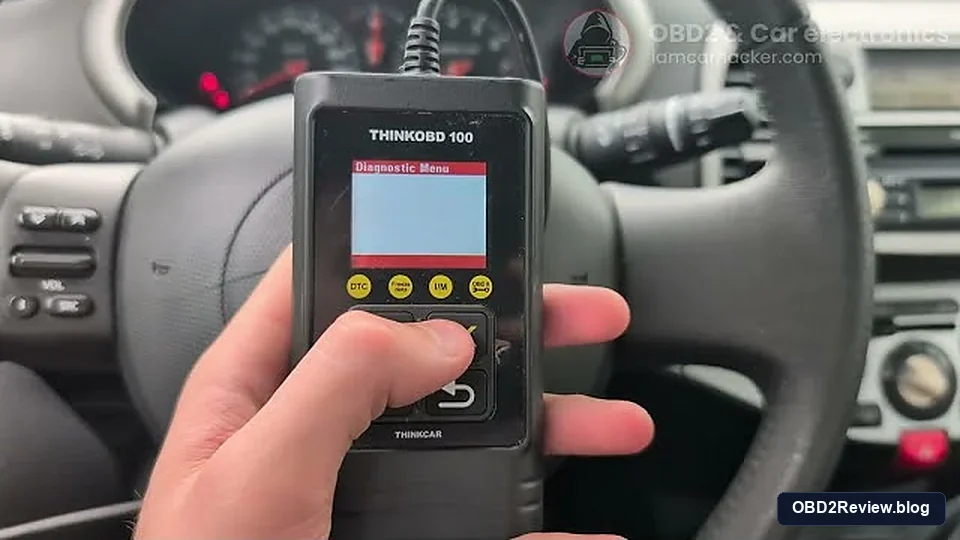
Executing a structured diagnostic workflow prevents wasted time and unnecessary part replacements. Technicians must follow a logical sequence from initial code retrieval to final verification testing.
Begin by recording all active and pending codes stored in every accessible module. Never clear codes prematurely, as historical data provides vital clues regarding intermittent system failures.
Cross-reference the retrieved prefixes with technical service bulletins and wiring diagrams. This preparation ensures an accurate understanding of circuit layout and operating parameters before testing.
Complete the repair by clearing all trouble codes and performing a road test. Verify that the monitoring monitors reset successfully to confirm the permanent resolution of the fault.
- Record all active, pending, and historic codes before starting work.
- Review technical service bulletins for known manufacturer defect patterns.
- Perform targeted component testing using calibrated diagnostic equipment.
- Execute complete drive cycles to verify successful system repair.
Performing Post-Repair System Validation
System validation confirms that the mechanical or electrical repair was entirely successful. Technicians must verify that all readiness monitors complete their internal self-testing protocols.
Using a professional scan tool allows monitoring of individual readiness flags in real time. This eliminates guesswork and ensures full compliance with emission inspection standards.
- Check readiness monitor status using a capable scan tool.
- Ensure no pending trouble codes return during road testing.
Frequently Asked Questions
What do the first letters in OBD2 codes mean?
The first letter categorizes the vehicle system into powertrain, body, chassis, or network domains. This allows technicians to instantly identify which major vehicle section requires inspection.
Are OBD2 letter prefixes universal across all car brands?
Yes, generic prefixes and standard codes follow strict global SAE regulations. However, manufacturers use enhanced proprietary codes for deeper factory-level diagnostics.
Why would my scanner show a U-prefix communication code?
A U-prefix indicates that electronic control units are failing to communicate over the CAN bus. This usually stems from damaged wiring or a malfunctioning module.
Do body B-prefix codes trigger the check engine light?
No, body codes typically trigger specific cabin warning indicators rather than the check engine light. They manage interior accessories, climate control, and passive safety features.
How should I begin troubleshooting an unknown diagnostic trouble code?
Always record the complete alphanumeric code and check for technical service bulletins. Isolate the specific vehicle system using the initial prefix before testing individual components.