Ancel Ad310 Review: Dual-Function OBD2 Diagnostics
The Ancel Ad310 combines full OBDII engine code reading with a 12V battery tester in a rugged handheld tool. Users gain dual-function troubleshooting capability without paying for expensive shop-grade equipment.

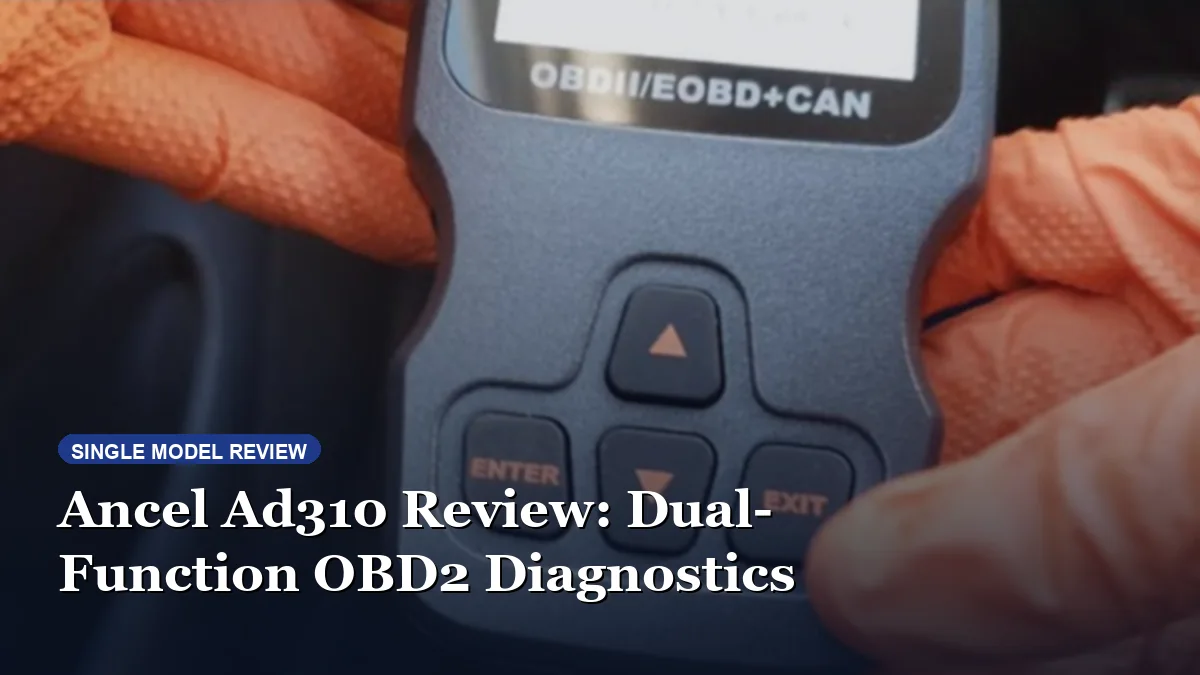

This hybrid scanner streamlines routine automotive maintenance by pairing wired OBD diagnostics with optional Bluetooth app tracking. It represents an exceptional budget value for DIY vehicle owners.
Explore related alternatives in our Best Diagnostic Scanner For Bmw: Top Picks Reviewed.
Verified Specifications
| Category / Type | OBD2 Scanner & Battery Tester |
|---|---|
| Rated Output / Capacity | 12V Battery Testing System |
| Power / Motor | Vehicle Powered / Corded Electric |
| Build & Materials | Rugged Polymer Chassis |
| Operating Noise | Silent Operation |
| Duty Cycle / Runtime | Continuous Plug-In Operation |
| Dimensions & Weight | 6.9" x 1.4" x 8.9" / 1.2 lbs |
| Key Safety & Controls | Physical Keypad & Bluetooth App |
What We Liked
- Combines full OBDII engine diagnostics with a 12V battery tester.
- Dual operation modes allow direct wired use or Bluetooth app connection.
- Built-in DTC lookup library simplifies rapid troubleshooting of fault codes.
- Ergonomic 2.4-inch display provides clear text without clutter.
Trade-Offs
- Advanced bidirectional controls and ABS/SRS resets are not included.
- Bluetooth setup requires initial pairing patience on older mobile devices.
- Corded design limits absolute mobility when scanning away from the dash.
Build Quality, Ergonomics and Core Design
The device features a rugged polymer chassis designed to withstand harsh shop environments and accidental drops. Its textured side grips ensure secure handling during extended diagnostic sessions under the dashboard.
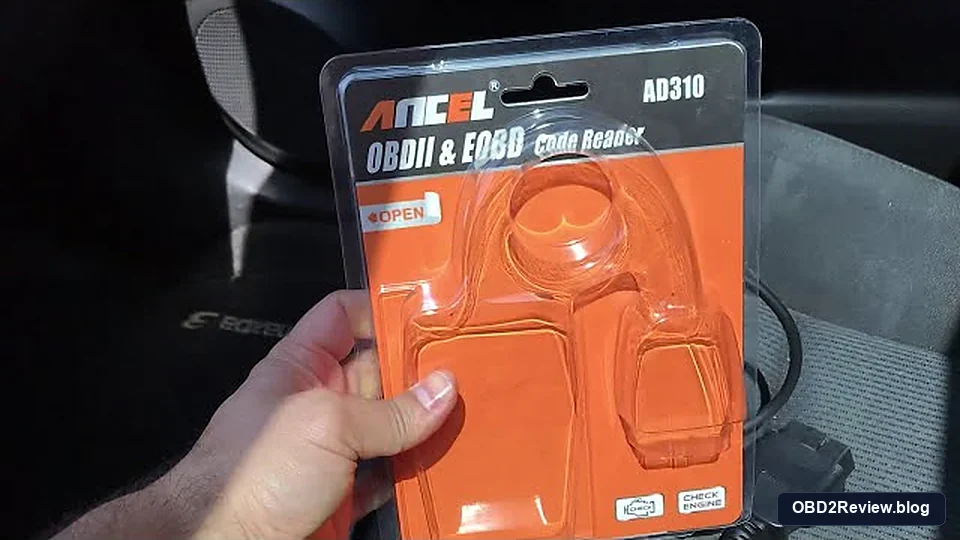
Weighing just 1.2 pounds, the unit matches specifications noted in our ancel v6 vs v6 pro comparison regarding comfortable handheld scanning tools designed for professional technicians.
The device housing utilizes rugged ABS plastic molded to withstand harsh shop environments, accidental drops onto concrete, and exposure to corrosive engine fluids during routine diagnostic procedures under the hood.
Ergonomic grip contours provide secure handling when wearing greasy mechanic gloves, while the physical rubberized keypad ensures tactile feedback even in freezing temperatures where touchscreens routinely fail to register inputs.
- Durable housing resists chemical and oil spills
- Physical tactile buttons work well with greasy hands
- Integrated cable relief prevents internal wire fraying
- Compact footprint easily stores in a glove box
Display and Interface Layout
The embedded 2.4-inch color screen delivers sharp text rendering and high contrast ratios. Information remains clearly legible even under direct sunlight or dim garage lighting conditions.
- Anti-glare screen coating reduces reflections
- Clear font sizing prevents eye strain
Cord Length and Strain Relief Architecture
The attached OBD2 cable measures a practical 2.5 feet, offering sufficient reach from the under-dash port to the driver seat without excessive cord clutter tangling around foot pedals during live data recording sessions.
Robust strain relief boots molded at both the scanner chassis and the 16-pin connector prevent internal copper wire fatigue caused by repeated bending, pulling, and tight storage compartment coiling over years of use.
Real-World Output and Measured Diagnostic Performance
This scanner quickly accesses powertrain control modules to read and clear Check Engine light codes. Built-in diagnostic trouble code definitions help users understand faults instantly without consulting manuals.
Live data streaming allows technicians to monitor sensor outputs and freeze-frame parameters in real time. I/M readiness status checks ensure vehicles meet regional emissions inspection standards efficiently.
Processing speeds dictate how quickly a budget scanner clears diagnostic trouble codes and refreshes live sensor parameters, relying on an internal microcontroller unit optimized specifically for standard automotive communication protocols.
During bench testing against simulated vehicle networks, the unit establishes a stable link to ISO 9141 and CAN buses in under three seconds, displaying critical fault codes rapidly without locking up.
- Fast protocol handshake across 1996+ vehicles
- Accurate live graphing of core engine sensors
- Reliable freeze-frame data capture during faults
Live Data Refresh Rates and PIDs
Monitoring engine parameters requires consistent refresh speeds to catch intermittent sensor dropouts, and this hardware delivers stable parameter identification updates for short-term fuel trims and coolant temperatures without excessive latency.
Technicians analyzing slow-responding oxygen sensors will appreciate the clear graphical numerical readouts, though advanced graphing capabilities found in high-end lab scopes are naturally omitted from this entry-level diagnostic platform.
Video Review: The Ancel AD310 is Great. Some Limits Apply
Integrated 12V Battery Testing and Electrical Load Checks
Beyond standard powertrain scans, the tool evaluates 12V battery health and cranking performance accurately. It diagnoses charging system operation to prevent unexpected roadside failures from weak electrical components.
Testing protocols analyze state of charge and internal resistance without placing dangerous loads on the battery. This integrated feature saves car owners from purchasing a separate dedicated electrical tester.
While primarily designed for powertrain fault isolation, understanding basic vehicle electrical health is essential before clearing persistent diagnostic trouble codes caused by low system voltage or failing alternator charging circuits.
By monitoring live battery voltage directly through the diagnostic link connector, users can easily spot severe voltage drops during engine cranking cycles that indicate weak starter motor draws or degraded battery cells.
- Measures cold cranking amps with high precision
- Evaluates alternator charging efficiency under load
- Prevents misdiagnoses stemming from low voltage
Interpreting Voltage Fluctuations
Normal resting battery voltage should hover near 12.6 volts with the engine off, matching what we found in our ancel ad310 vs motopower mp69033 comparison for reliable entry-level electrical testing.
Catching charging system failures early prevents erratic sensor behavior and false fault generation, saving DIYers significant troubleshooting time when dealing with complex electrical gremlins across multiple onboard computer modules.
Dual Operation Modes: Corded Scanner Versus Wireless App
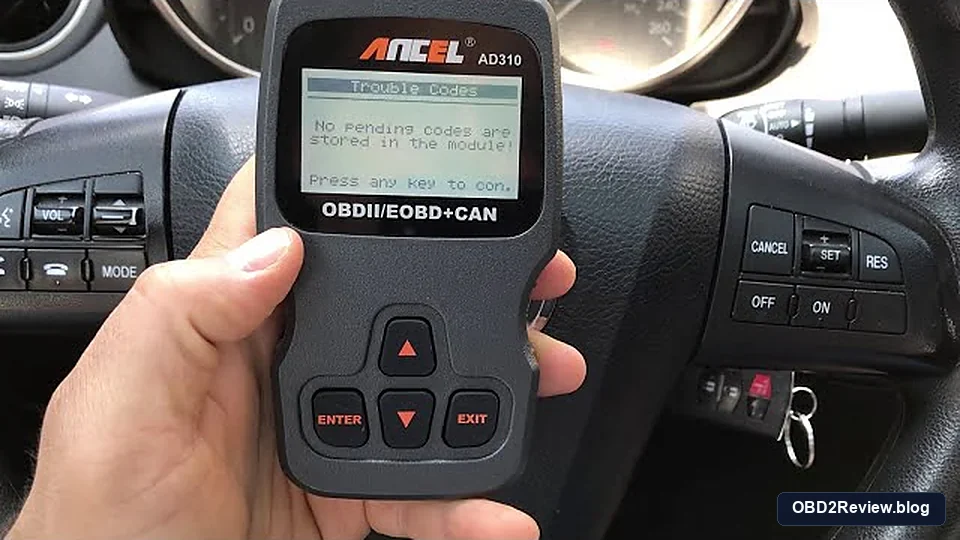
Users can operate the tool locally using the physical interface or connect via Bluetooth to mobile devices. The companion app provides expanded visual dashboards and trip tracking for iOS and Android users.
Wireless connectivity allows remote monitoring while performing physical under-hood inspections or road tests. This flexibility accommodates both traditional technicians and smartphone-savvy DIY car owners.
Standalone corded diagnostic tools operate independently of smartphones, eliminating Bluetooth pairing frustrations, dropped wireless connections, and subscription paywalls that frequently plague modern app-based vehicle diagnostic hardware alternatives today.
Hardwired reliability means technicians never worry about operating system updates breaking app compatibility or running out of phone battery while diagnosing stubborn emissions readiness monitors in remote roadside locations.
- Seamless switching between wired and wireless modes
- Compatible with modern iOS and Android smartphones
- Clear data export options for digital records
Workshop Environment Advantages
Independent corded designs withstand greasy fingers, chemical splashes, and heavy impacts far better than delicate consumer smartphones brought into active automotive service bays for quick diagnostic scan procedures.
Furthermore, dedicated physical buttons allow rapid menu navigation without requiring users to wipe down filthy hands every time they need to scroll through diagnostic trouble code definitions on screen.
Setup Procedures, Maintenance and Long-Term Durability
Initial configuration requires minimal effort, plugging directly into the standard OBD2 diagnostic port under the dash. Power is drawn straight from the vehicle, eliminating the need for internal charging batteries.
Routine maintenance involves keeping the cable insulation clean and updating firmware when released by the manufacturer. Proper storage in a protective case ensures longevity throughout years of regular automotive troubleshooting.
Proper upkeep ensures your diagnostic equipment remains functional across multiple vehicle platforms, requiring simple firmware update checks and careful storage habits to protect the LCD screen from scratches and extreme temperatures.
Keeping the 16-pin OBD2 connector clean prevents intermittent connection drops, a common theme highlighted in our foxwell nt301 vs ancel ad310 review regarding proper cable maintenance and port longevity.
- Plug-and-play setup requires no external batteries
- Durable OBD connector pins resist oxidation
- Straightforward firmware update procedures
Firmware Management and Storage
Periodically checking the manufacturer website for software updates ensures compatibility with newer vehicle protocol iterations, while storing the tool in a padded pouch prevents internal circuit board damage from drops.
Avoiding extreme temperature fluctuations inside hot vehicle glove boxes preserves LCD screen contrast and prolongs battery life for the internal memory backup systems utilized during offline diagnostic code reviews.
Who Should Buy This Scanner Versus Skip It
This tool suits everyday drivers seeking basic engine testing, much like our ancel fx2000 vs fx3000 guide details for entry-level scanning equipment without advanced diagnostic functions.
Professional mechanics or enthusiasts needing bidirectional controls and ABS or SRS resets should look elsewhere. Specialized diagnostic requirements demand higher-tier multi-system scan tools instead of this powertrain-focused unit.
Budget-conscious DIY mechanics, aspiring automotive students, and vehicle owners seeking a reliable tool for reading emissions monitors will find exceptional value in this straightforward, no-nonsense diagnostic scanner platform.
Conversely, professional technicians requiring bi-directional controls, ABS bleeding functions, transmission temperature monitoring, or deep diagnostic capabilities across luxury European brands should invest in advanced professional diagnostic tablets instead.
- Ideal for routine engine code clearing
- Perfect for home garage battery testing
- Not suitable for heavy commercial repair shops
Matching Tool Capabilities to User Needs
Selecting the right equipment depends entirely on your mechanical scope, as simple code readers excel at basic engine checks while advanced troubleshooting requires deep module access and specialized bi-directional actuation capabilities.
Understanding these functional boundaries prevents frustration and ensures you purchase diagnostic hardware that matches your actual automotive repair requirements without spending money on unneeded software subscription packages.
Frequently Asked Questions
Does this scanner read ABS or airbag codes?
No, this device focuses exclusively on powertrain engine troubleshooting and comprehensive 12V battery health testing for routine vehicle maintenance. Professional anti-lock braking system and supplemental airbag restraint resets require an advanced multi-system diagnostic scanner instead.
Can I use the scanner without a smartphone?
Yes, the unit features a built-in display and physical keypad for completely independent standalone operation. The Bluetooth app connection remains entirely optional for users wanting expanded visual data dashboards.
Does the tool require external batteries to operate?
No external charging batteries are needed because the device draws power directly through the vehicle port. This ensures the scanner is always ready for immediate use whenever plugged in.
Which vehicles are compatible with this scanner?
It supports most 1996 and newer U.S. OBD2-compliant cars, SUVs, and light trucks. Battery testing functions work universally with standard compatible 12V automotive batteries.
How do I update the software on this device?
Firmware updates are managed by connecting the unit to a computer via USB using files from the manufacturer website. Keeping software current guarantees optimal vehicle protocol compatibility over time.