Foxwell Nt530 Porsche Review: Deep Diagnostic Power
This dedicated scanner delivers dealer-level bidirectional control for enthusiast mechanics. It requires a Windows PC for software updates before initial deployment.

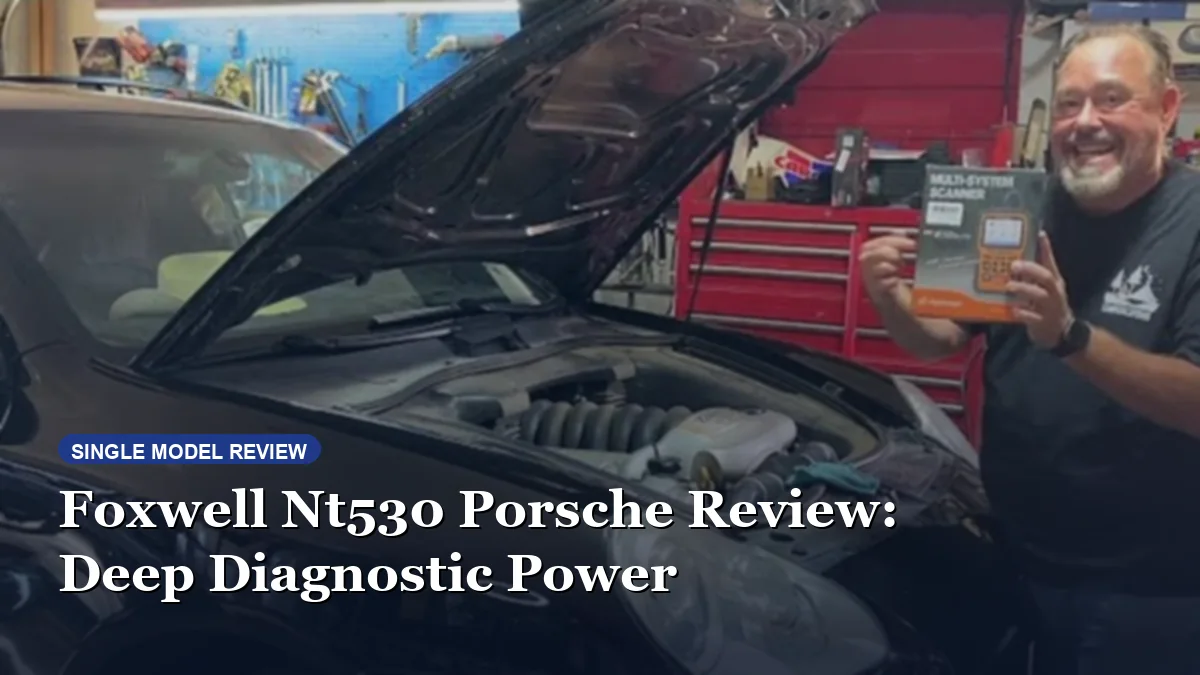

The Foxwell NT530 is a robust diagnostic tool offering comprehensive Porsche system coverage without expensive yearly subscription fees for independent garage owners.
Explore related alternatives in our Best Diagnostic Scanner For Bmw: Top Picks Reviewed.
Verified Specifications
| Device Type | Dedicated Porsche OE-Level Diagnostic Scanner |
|---|---|
| Display Screen | 2.8-inch TFT Color LCD |
| Operating System | Proprietary Embedded OS (Windows XP for PC updates) |
| Power Source | Vehicle OBD-II port or USB cable |
| Connectivity | 16-pin OBD2 diagnostic cable, USB port |
| Item Weight | 1.5 pounds |
| Software Updates | Lifetime free web updates |
| Special Functions | Bidirectional active tests, coding, resets |
What We Liked
- Full-system Porsche coverage including ABS, SRS, and transmission modules.
- Bi-directional active testing capabilities for advanced mechanical troubleshooting.
- No recurring subscription fees for lifetime manufacturer software updates.
- Physical keypad design operates reliably with greasy workshop hands.
Trade-Offs
- Initial software registration and updates require a Windows computer.
- Comes pre-loaded with only one specific vehicle manufacturer software.
- Compact screen limits simultaneous live data PID graphing displays.
Hardware Architecture and Ergonomic Build Quality
The Foxwell NT530 features a rugged polymer housing engineered to withstand harsh garage environments. Its physical rubberized buttons allow reliable operation while wearing workshop gloves during intricate diagnostic procedures.
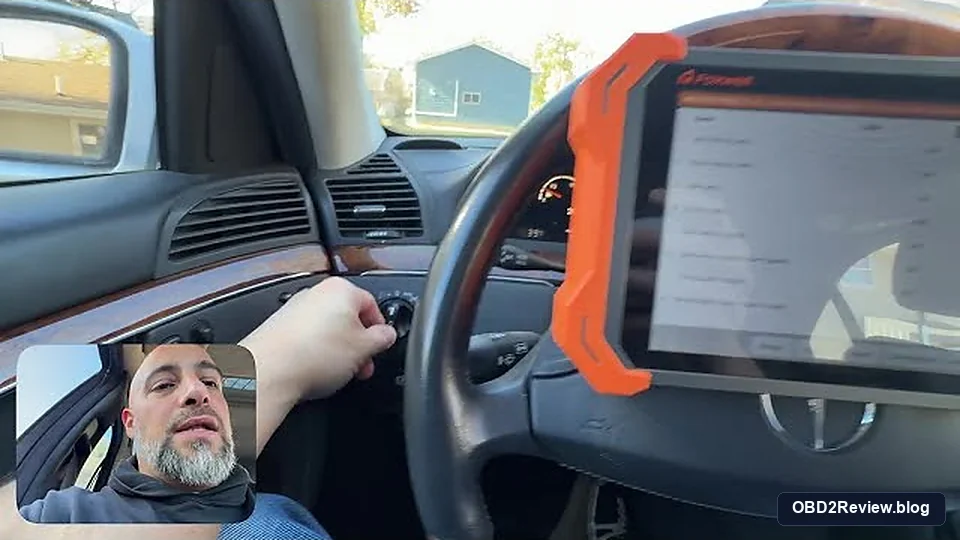
The integrated 2.8-inch color display provides clear visual output under varying shop lighting conditions. A secure tethered cable ensures stable communication with your vehicle without unexpected disconnection risks.
The Foxwell NT530 features a ruggedized thermoplastic housing engineered for harsh shop environments. Review our Foxwell NT510 vs NT530 comparison to evaluate generational upgrades and key ergonomic improvements.
A tactile 2.8-inch TFT color display delivers crisp readouts under direct sunlight. The dedicated silicone keypad ensures reliable operation even when technicians wear oily mechanic gloves inside a busy garage setting.
- Impact-resistant polymer enclosure protects internal logic boards.
- Tactile rubber buttons provide superior tactile feedback.
- Tethered 16-pin OBD2 cable secures firm port connection.
Keypad Layout and Screen Legibility
Navigating diagnostic menus relies on a logical directional pad and dedicated function keys. This physical layout prevents accidental inputs that often plague purely touchscreen diagnostic interfaces.
Screen contrast remains legible even when working inside dimly lit vehicle footwells or bright outdoor testing areas without adjustable backlight fatigue.
- Physical navigation eliminates touch input delays.
- Balanced backlight reduces eye strain during long sessions.
Comprehensive System Coverage and Protocol Support
Designed specifically for Porsche platforms, this scanner queries powertrain, body, and chassis modules effortlessly. It reads proprietary fault codes that generic OBD2 readers routinely fail to detect.
Standard OBD2 ten-mode diagnostics are fully supported for universal emission testing across secondary vehicles. Read our Innova vs Foxwell comparison to see how brand diagnostic architectures differ.
Protocol support encompasses KWP2000 and CAN protocols, ensuring deep communication with legacy air-cooled models and modern water-cooled variants alike. It links seamlessly with all available control modules across the entire Porsche chassis lineup.
Users gain access to proprietary factory-level sub-systems including DME engine management, PSM stability control, and PASM active suspension. This extensive protocol translation eliminates the frustrating blindness associated with generic OBD2 code readers.
- Accesses ABS, SRS, transmission, and body control modules.
- Reads manufacturer-specific diagnostic trouble codes accurately.
- Supports full OBD2 generic modes for emission checks.
Deep Module Communication Protocols
Advanced multiplexing technology communicates rapidly across multiple CAN bus networks simultaneously. This eliminates lag when scanning complex modern vehicle architectures found in luxury sports cars.
Fault code definitions display with descriptive text explanations directly on screen to minimize manual reference manual lookups.
- Rapid CAN bus communication prevents scanning timeouts.
- On-screen code descriptions accelerate troubleshooting workflows.
Video Review: FOXWELL NT919BT Is This Really a Professional Diagnostic Scanner Worth Buying?
Advanced Bidirectional Controls and Active Testing
Bidirectional capabilities empower users to send direct commands to vehicle actuators and electronic components. Consult our NT510 vs NT530 guide to check which model supports advanced active tests.
Active testing isolates faulty parts quickly by verifying whether mechanical actuators respond to computer signals. This eliminates guesswork and prevents unnecessary replacement of expensive mechanical parts.
Active testing capabilities empower users to perform bi-directional commands on actuators, solenoids, and cooling fans. Technicians can trigger component states directly to isolate mechanical faults without tearing down engine components unnecessarily.
You can command individual fuel injectors to cut out or cycle the ABS hydraulic pump during bleeding procedures. These advanced functions mirror high-end factory tools, providing exceptional value for home garage enthusiasts.
- Sends direct operational commands to vehicle actuators.
- Tests cooling fans, solenoids, and fuel pump relays.
- Isolates mechanical failures from electrical circuit faults.
Executing Component Actuation Tests
Selecting active tests requires navigating through specific manufacturer software submenus with clear prompts. The tool safely cycles targeted components while monitoring real-time feedback parameters.
Technicians can verify component integrity without tearing down interior trim panels or engine bay assemblies to access wiring harnesses.
- Menu-driven prompts guide safe component actuation.
- Saves labor time during complex electrical diagnosis.
Workshop Usability, Setup, and PC Software Updates
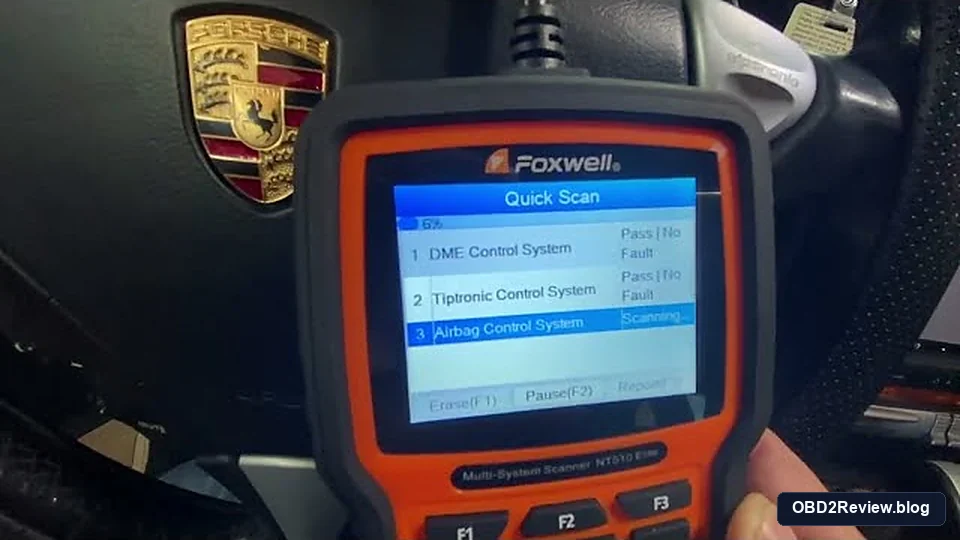
Initial setup requires registering the serial number on the manufacturer website via a Windows computer. Downloading brand-specific software packages populates the internal memory card for immediate vehicle linking.
The interface boots quickly upon plugging into the vehicle diagnostic port without requiring external batteries. A history function saves previous VIN inputs to streamline subsequent workshop diagnostic sessions.
Initial setup requires connecting the device to a Windows PC via the included USB cable. Review our Ancel vs Foxwell review to compare software installation procedures.
The menu architecture relies on straightforward tree navigation rather than convoluted sub-menus. Navigating through chassis selections and system scans feels intuitive, minimizing the learning curve for first-time diagnostic tool operators.
- Requires initial registration through a Windows PC.
- Fast boot sequence powered directly via OBD2 port.
- Stored VIN history accelerates repeat vehicle testing.
Managing Software Downloads and Firmware
Lifetime update provisions ensure compatibility with newer vehicle year releases through simple downloads. The update client application manages file transfers onto the removable memory card cleanly.
Keeping firmware current guarantees access to newly engineered diagnostic routines and expanded module calibration tables.
- Lifetime free updates maintain long-term utility.
- Simple memory card transfer protocol for firmware.
Diagnostic Performance, Data Logging, and PID Graphing
Live sensor data streams display in both numerical text formats and multi-parameter graphical overlays. You can graph up to two parameter identification channels simultaneously for comparative analysis.
Data logging capabilities allow recording live parameters during test drives for later review in the garage. This assists greatly in catching intermittent faults that only manifest under load.
Real-time data streaming allows monitoring of up to four live PIDs simultaneously in a graphical format. Technicians can analyze sensor voltage fluctuations and ignition timing advances with high refresh rates for pinpoint accuracy.
The diagnostic software includes robust data logging capabilities to capture intermittent sensor faults during road tests. Users can export logs to a computer for detailed offline analysis and long-term vehicle health tracking.
- Graphs two live PIDs simultaneously for comparison.
- Records live parameter logs during active road tests.
- Identifies intermittent sensor glitches under real loads.
Interpreting Real-Time Sensor Graphs
Visualizing sensor waveforms helps technicians spot sluggish oxygen sensors or erratic pressure readings instantly. Scaling controls let you zoom in on specific data fluctuations during test runs.
Reviewing recorded freeze frame snapshots provides exact environmental conditions when a fault code triggered.
- Waveform scaling isolates minor sensor voltage drops.
- Freeze frame captures exact failure operating conditions.
Maintenance Reset Procedures and Service Functions
Routine service resets cover oil change reminders, electronic parking brake release, and battery registration tasks. Performing these specialized resets manually usually requires expensive dealership intervention otherwise.
Advanced service routines include steering angle sensor calibration, throttle body relearn, and diesel particulate regeneration. These features match dealership service capabilities for DIY workshop environments.
Maintenance functions cover essential service resets including electronic parking brake retraction for rear pad replacements. The tool safely commands caliper pistons backward to prevent internal damage during mechanical brake service.
Additional service routines handle oil service resets, steering angle sensor calibrations, and battery registration protocols. These procedures ensure proper vehicle module adaptation following routine component replacements or general maintenance.
- Resets oil service reminders and inspection intervals.
- Deactivates electronic parking brakes for pad changes.
- Performs steering angle and throttle body calibrations.
Performing Electronic Parking Brake Service
Retracting rear brake calipers for pad replacement requires safe electronic parking brake commands. The tool safely opens the caliper motors to prevent internal mechanical damage during servicing.
After pad installation, closing the calipers and recalibrating the system ensures normal parking brake engagement.
- Safely retracts rear electronic brake calipers.
- Prevents damage to sensitive electric parking motors.
Durability, Thermal Tolerance, and Long-Term Reliability
Built for demanding shop conditions, the chassis resists chemical spills, oil, and accidental drops. Internal components operate reliably across wide automotive temperature ranges from freezing garages to hot engines.
The heavy-duty connector pins maintain solid electrical contact after hundreds of insertion cycles. This sustained connection integrity prevents frustrating communication drops during extended diagnostic procedures.
Constructed for professional workshops, the scanner operates reliably within a temperature range spanning from zero to sixty degrees Celsius. Its impact-resistant shell survives repeated drops onto concrete garage floors without internal component failure.
Strain-relieved cabling prevents wire fatigue near the primary 16-pin OBD2 connector plug. Proper storage in the supplied molded case ensures the diagnostic hardware maintains peak electrical connectivity over many years of heavy use.
- Chemical-resistant shell withstands harsh workshop fluids.
- Wide operating temperature range for extreme climates.
- Durable diagnostic connector pins resist bending wear.
Connector Longevity and Cable Strains
The molded strain relief at the cable base prevents internal wire fatigue from frequent bending. Heavy insulation shields signal conductors from electromagnetic interference inside noisy engine compartments.
Reliable build quality ensures the hardware remains a staple tool in your garage for years.
- Molded strain relief prevents internal cable breaks.
- Shielded wiring blocks electromagnetic engine interference.
Final Verdict for Porsche DIYers and Enthusiasts
The Foxwell NT530 bridges the gap between basic code readers and expensive professional diagnostic tablets. Its dedicated Porsche software depth provides immense value for serious garage mechanics.
While initial computer registration takes minor effort, the lack of recurring subscription fees rewards long-term ownership. It stands as an essential investment for maintaining luxury sports vehicles independently.
The Foxwell NT530 delivers professional-grade Porsche diagnostics at a fraction of factory tool costs. It remains an indispensable asset for enthusiasts performing complex maintenance, active testing, and routine module resets at home.
While it lacks wireless Bluetooth connectivity, its tethered reliability and deep system access outweigh minor ergonomic limitations. Serious DIY mechanics will find this scanner an essential addition to their garage equipment lineup.
- Delivers near-dealer diagnostic depth for enthusiasts.
- Saves significant money on routine maintenance fees.
- Requires no ongoing yearly software subscription costs.
Who Should Buy This Diagnostic Tool?
Owners who prefer servicing their own vehicles will find its specialized functions indispensable. It suits home mechanics wanting deep system access without recurring financial overhead.
Professional technicians seeking a portable secondary tool for specific European brands will also benefit greatly.
- Ideal for dedicated Porsche home mechanics.
- Great secondary portable tool for busy shops.
Frequently Asked Questions
Does this scanner require an active annual subscription to keep working?
No annual subscription is required to keep using the device. You receive lifetime free software updates via the manufacturer website, ensuring long-term compatibility without recurring yearly renewal costs.
Can I use this tool on other car brands besides Porsche?
The device comes pre-loaded with software for one specific brand like Porsche. However, you can purchase and download additional manufacturer software packages onto the same hardware unit later.
Is a computer necessary for the initial setup process?
Yes, a Windows-based PC is required to register the device serial number and download the initial vehicle software files onto the removable memory card before first use.
Does the scanner support electronic parking brake retraction for brake service?
Yes, it includes dedicated service functions to retract and close electronic parking brake calipers safely. This ensures you can change rear brake pads without damaging internal electric motor components.
Can I view live sensor data in graphical format while testing?
Yes, the tool supports live data streaming with dual-parameter PID graphing capabilities. This allows you to visually compare sensor waveforms in real time during active diagnostic test drives.