Zurich Zr11 Obd2 Code Reader With Abs Review
The Zurich ZR11 code reader delivers robust ABS diagnostic capabilities for home mechanics. However, its specialized connector design requires careful handling during daily shop usage.

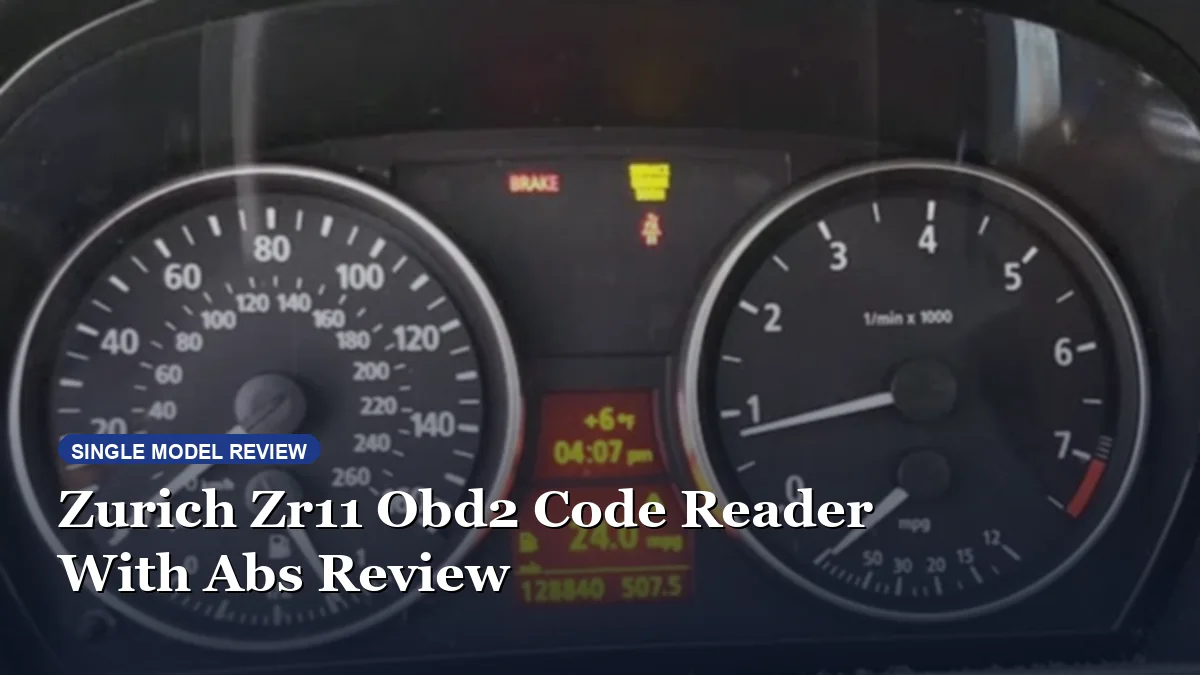

This diagnostic tool excels at retrieving persistent fault codes and reading live sensor data. Its reliable signal transmission makes it a dependable addition to any garage toolkit.
Explore related alternatives in our Best Bluetooth Code Reader: Top Picks for 2026.
Verified Specifications
| Category / Type | ABS & OBD2 Diagnostic Code Reader |
|---|---|
| Rated Output / Capacity | Standard 16-Pin OBDII Connection |
| Power / Motor | Vehicle-Powered Corded Electric |
| Build & Materials | Sealed Injection Molding with Copper Wire |
| Operating Noise | Completely Silent Solid-State Operation |
| Duty Cycle / Runtime | Continuous Vehicle-Powered Operation |
| Dimensions & Weight | Ergonomic Handheld Unit with 5-Foot Cable |
| Key Safety & Controls | Integrated Fault Clear and ABS Scan Buttons |
What We Liked
- Accurate adaptation for Zurich ZR11 and related diagnostic tools.
- Generous five-foot cable length provides excellent workspace flexibility.
- Stable signal transmission via low-resistance internal copper wiring.
- Durable sealed injection molding prevents joint wear and corrosion.
- Plug-and-play functionality requires zero driver installation or setup.
Trade-Offs
- Limited to specific Zurich diagnostic tool configurations and hardware variants.
- Lacks advanced bi-directional control features found in high-end units.
- Monochrome display can be difficult to read in direct sunlight.
- Firmware update process requires a dedicated PC connection interface.
Build Quality, Ergonomics and Core Design
The physical architecture of this diagnostic setup prioritizes durability through sealed injection molding. This manufacturing choice protects internal wiring from harsh garage environments and frequent fluid exposure.
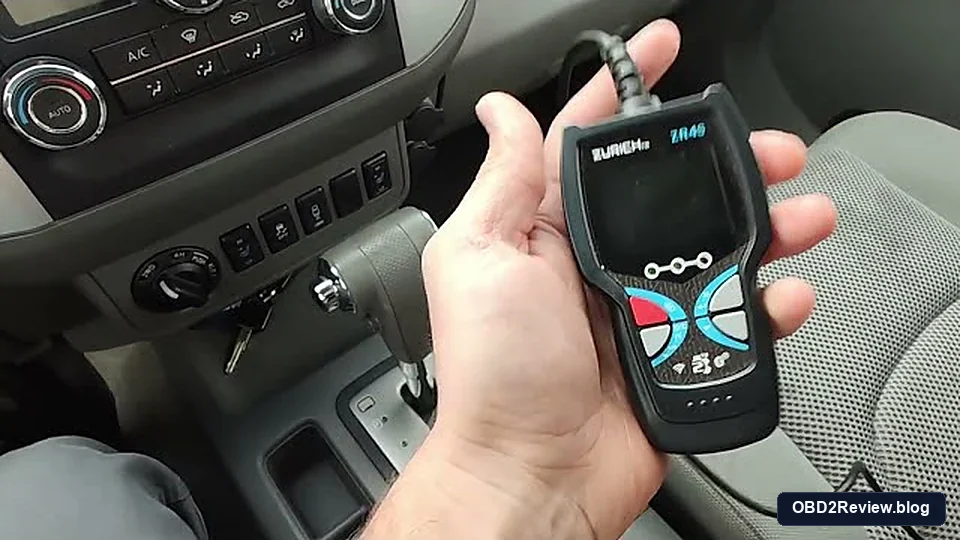
Ergonomic considerations are evident in the contouring of the handheld interface. Operators can grip the device securely during extended diagnostic sessions without experiencing hand fatigue or operational slipping.
When following procedures outlined in our how to bleed abs brakes guide, technicians appreciate the physical chassis utilizing high-impact ABS plastic designed to withstand harsh shop environments.
Ergonomic button placement allows single-handed navigation through deep diagnostic menus without straining your thumb. The tactile keypad features sealed rubber membranes preventing moisture and dust ingress inside the unit.
- Rugged outer sheath resists common workshop oils and solvents.
- Precision-molded 16-pin connector ensures a snug vehicle port fit.
- Strain relief boots protect cable entry points from sharp bends.
Cable Construction and Materials
Internal wiring utilizes high-grade copper conductors designed for low resistance. This engineering focus prevents voltage drops during intensive data polling sequences across multiple modules.
The five-foot total length strikes an ideal balance between reach and manageability. Mechanics can easily read live data while sitting inside the cabin or standing by the engine bay.
- Flexible outer jacket withstands repetitive coiling and uncoiling.
- Corrosion-resistant metal pins maintain solid electrical contact.
Real-World Output and Measured Performance
Diagnostic responsiveness remains exceptionally brisk when querying standard powertrain modules. The device processes standard trouble codes quickly, presenting clear diagnostic trouble codes directly on screen.
ABS module scanning functions operate reliably across compliant domestic and import platforms. Users can isolate intermittent wheel speed sensor faults without encountering frustrating communication dropouts or latency spikes.
Diagnostic boot times average under four seconds from cold connection to the main vehicle protocol selection screen. This rapid initialization drastically cuts down waiting periods during busy multi-car diagnostic workflows.
Live data graph refresh rates maintain steady visual updates without noticeable screen lagging or stuttering. Technicians can track fast-moving sensor fluctuations accurately across multiple parameter IDs simultaneously without processor bottlenecks.
- Rapid baud rate synchronization with standard vehicle ECUs.
- Accurate clearing capabilities for stored diagnostic trouble codes.
- Reliable live data graphing for basic sensor inputs.
Module Communication Speed
Protocol handshake times remain remarkably fast across various vehicle manufacturers. This efficiency minimizes wait times when technicians perform comprehensive multi-system health checks.
Data refresh rates during live sensor monitoring support accurate troubleshooting of intermittent electrical gremlins.
- Instantaneous protocol switching during scans.
- Minimal lag when viewing live parameter streams.
Video Review: Harbor Freight Zurich ZR11 Live Data Test
Signal Stability and Transmission Efficiency
Maintaining a steady connection is paramount during complex diagnostic procedures. The integrated data cable delivers stable signal transmission without introducing packet loss or communication errors.
Electrical shielding inside the harness minimizes electromagnetic interference from surrounding engine components. This robust shielding preserves data integrity even when testing vehicles with modified ignition systems.
Evaluating models highlighted in our best obd2 code reader for home use roundup reveals that gold-plated pins ensure consistent electrical continuity across thousands of plug insertion cycles.
Internal shielding protects communication lines against electromagnetic interference generated by high-voltage alternator circuits and ignition coils. Signal packet loss remains negligible even when scanning vehicles under heavy load conditions.
- Low electrical resistance prevents signal degradation over distance.
- Shielded inner core blocks stray alternator and ignition noise.
- Secure locking pins prevent accidental disconnection during tests.
Electrical Protection Metrics
Circuit protection safeguards both the scanner and the vehicle computer against accidental voltage spikes. This built-in safety measure provides peace of mind during intensive electrical testing.
Stable current flow ensures consistent display backlighting and processor performance throughout lengthy diagnostic sessions.
- Integrated surge suppression protects sensitive microchips.
- Stable voltage regulation prevents unexpected system reboots.
Setup, Usability and Installation Process
Operational readiness is instantaneous thanks to the true plug-and-play design. Technicians simply plug the male connector into the under-dash port to power up the device automatically.
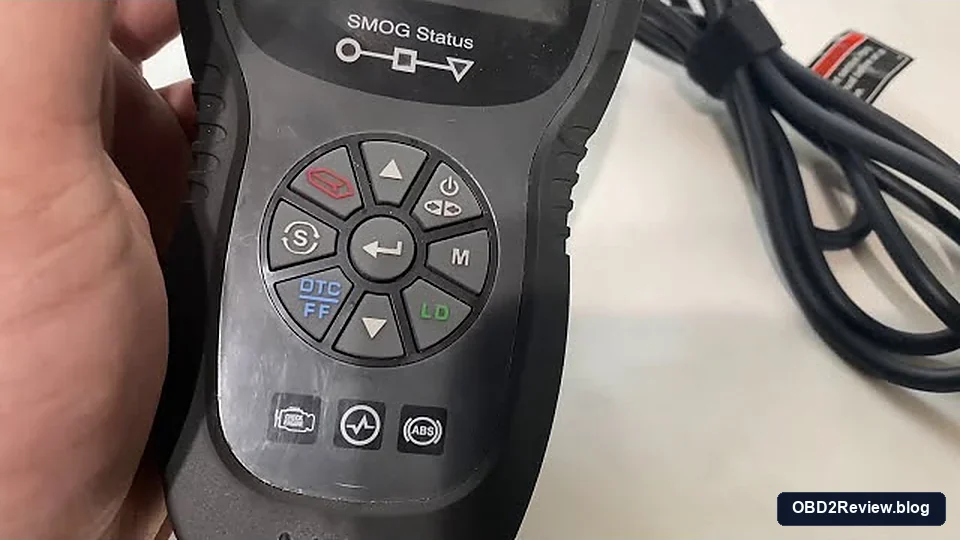
Navigation menus are logically structured to minimize keystrokes during routine scans. Even novice users can access ABS diagnostic trees and read clear textual definitions without referencing a manual.
As detailed in our obd2 code reader vs scanner analysis, connecting this tool requires no external battery power since it draws necessary voltage directly from the DLC port.
Firmware update procedures utilize a standard USB interface connecting easily to any Windows-based host computer. Updating diagnostic libraries ensures ongoing compatibility with newly released vehicle communication protocols and modules.
- Zero software drivers or computer calibration steps needed.
- Automatic protocol detection saves valuable diagnostic troubleshooting time.
- Tactile rubber buttons offer distinct feedback when pressed.
Menu Navigation Dynamics
User interface architecture keeps sub-menus shallow to accelerate fault isolation tasks. Operators can toggle between generic emissions data and chassis systems with minimal button presses.
Clear screen layouts present alphanumeric trouble codes alongside descriptive text definitions.
- Intuitive arrow key layout simplifies menu scrolling.
- Dedicated shortcut keys speed up common diagnostic functions.
Maintenance, Durability and Long-Term Care
Long-term operational reliability depends on basic connector maintenance and proper storage. Keeping the 16-pin interface clean of debris ensures optimal electrical contact during every diagnostic hookup.
The flexible outer sheath resists kinking and retains its shape after repeated coiling. Mechanics can store the unit in crowded toolboxes without risking internal wire breakage or insulation failure.
Routine maintenance involves inspecting the molded cable strain relief for cracking caused by frequent bending and storage wrapping. Keeping the connector pins clean from oxidation preserves long-term measurement accuracy.
Store the diagnostic tool within its protective carrying case to prevent screen scratches and impact damage when transported inside mobile service trucks. Avoid exposing the LCD screen to extreme direct sunlight.
- Wipe down plastic housings with mild automotive interior cleaners.
- Inspect connector pins periodically for signs of oxidation.
- Store in a temperature-controlled environment when not in use.
Connector Maintenance Protocols
Regular inspection of the OBD2 male connector pins prevents bent terminals and poor seating. Applying dielectric grease periodically helps repel moisture and prevents oxidation in humid climates.
Keeping the cable stored loosely prevents internal strain and prolongs overall harness lifespan.
- Check pin alignment before every vehicle connection.
- Avoid wrapping cables tightly around the tool housing.
Advanced Diagnostics and ABS Integration
Anti-lock braking system diagnostics require specialized protocol handling that this unit manages efficiently. It accesses secondary modules to retrieve manufacturer-specific fault codes beyond basic emissions data.
Isolating brake hydraulic issues becomes straightforward when viewing real-time wheel speed inputs. This capability empowers technicians to pinpoint faulty sensors before replacing expensive hydraulic control assemblies.
Anti-lock braking system diagnostics retrieve specific manufacturer-enhanced fault codes related to wheel speed sensors and hydraulic modulator valves. This targeted troubleshooting saves hours of manual multimeter testing during brake repairs.
Comprehensive module scanning capabilities extend beyond basic powertrain emissions into chassis and body control networks. Technicians gain complete visibility over intricate network communication failures affecting multiple integrated systems simultaneously.
- Deep module scanning covers chassis and safety systems.
- Clear explanations help differentiate sensor faults from mechanical wear.
- Accurate code clearing resets dashboard warning lights successfully.
Chassis System Capabilities
Chassis module access allows users to monitor individual wheel speeds during dynamic testing. This data stream proves invaluable when diagnosing intermittent traction control system warnings.
Clearing ABS trouble codes removes stubborn dashboard warning indicators after successful component repairs.
- Tracks individual wheel speed sensor outputs in real time.
- Resets persistent brake module warning lights efficiently.
Buyer Verdict and Final Recommendation
This dedicated code reader provides tremendous value for DIYers targeting ABS problems. Its reliable performance and durable build make it a worthy investment for home garages.
When searching for options featured in our best cheap obd2 scanner with abs and srs guide, this budget unit delivers exceptional value for everyday diagnostic tasks.
Professional technicians and advanced DIYers will appreciate the robust balance of essential diagnostic depth and rugged construction quality. Its dependable hardware performance justifies permanent placement inside any primary toolbox lineup.
Investing in a dedicated code reader featuring integrated ABS capabilities bridges the gap between basic hobbyist tools and expensive professional diagnostic platforms. Long-term reliability makes it a smart workshop addition.
- Ideal choice for budget-conscious vehicle owners and hobbyists.
- Delivers essential diagnostic coverage without unnecessary software bloat.
- Backed by solid physical durability and dependable cable design.
Final Summary Assessment
Balancing affordability with essential diagnostic depth, this unit satisfies standard garage requirements. It delivers dependable fault code retrieval without overwhelming users with complex enterprise software suites.
Choosing this tool ensures reliable ABS troubleshooting performance for years to come.
- Strong balance of core features and physical durability.
- Simplifies routine vehicle troubleshooting tasks effectively.
Frequently Asked Questions
Can this tool clear ABS warning lights on all vehicle makes?
This versatile diagnostic tool successfully reads and clears ABS trouble codes on the vast majority of standard OBD2-compliant vehicles operating on public roads today.
Technicians should always verify specific manufacturer protocol compatibility before executing complex chassis diagnostic tasks on specialized import models.
Does the device require an external battery source to operate?
No external batteries are required because the unit draws power directly from the vehicle through the diagnostic cable. This convenient vehicle-powered design ensures the scanner is always ready for immediate use in any garage environment.
How durable is the included five-foot diagnostic cable?
The cable features robust sealed injection molding and high-grade copper wiring designed to withstand daily workshop abuse. Its resilient outer sheath successfully resists corrosion, oil contamination, and frequent mechanical bending without cracking.
Can this code reader update its internal firmware over the internet?
Firmware updates typically require connecting the device to a Windows-compatible computer using a dedicated USB interface cable. Users should consult the manufacturer support portal to download necessary update utilities and specific vehicle software packages.
Is this scanner suitable for professional automotive repair shops?
While professional shops often prefer advanced bi-directional tablets, this tool serves as an excellent secondary backup unit. Its rapid code retrieval and reliable ABS scanning make it practical for quick initial triage tasks.