Zurich Zr13 Obd2 Code Reader Review: Concise Editorial Verdict
The Zurich Zr13 code reader delivers dependable diagnostic performance with rugged build quality. Strong core features make it ideal for quick code reading, though it lacks advanced bidirectional controls.

This diagnostic tool provides exceptional value for DIY mechanics needing dependable code reading. Reliable operation and rugged construction ensure long-term utility for routine vehicle maintenance.
Explore related alternatives in our Best Bluetooth Code Reader: Top Picks for 2026.
Verified Specifications
| Category / Type | Handheld OBD2 Code Reader |
|---|---|
| Rated Output / Capacity | Standard 16-pin Diagnostic Interface |
| Power / Motor | Vehicle OBD Port Powered |
| Build & Materials | Impact-Resistant Polymer Casing |
| Operating Noise | Silent Operation |
| Duty Cycle / Runtime | Continuous Direct Power |
| Dimensions & Weight | Compact Ergonomic Handheld Design |
| Key Safety & Controls | Surge Protected Connector Circuitry |
What We Liked
- Rugged impact-resistant polymer housing
- Simple plug-and-play operation workflow
- Direct power via vehicle OBD port
- Clear tactile keypad feedback
- Fast diagnostic boot-up sequence
Trade-Offs
- Lacks advanced bidirectional controls
- Basic monochrome display screen
- No built-in battery backup option
Architectural Build and Ergonomic Design
The Zurich Zr13 code reader features a rugged polymer housing designed to withstand harsh garage environments and accidental drops. Durable construction protects internal logic boards from grease, impact, and heavy everyday shop use.
Ergonomic contours fit comfortably in your hand while textured side grips prevent slippage during intense diagnostic sessions. Optimized weight distribution reduces hand fatigue when performing extended live data scans underneath vehicle dashboards.
The physical keypad utilizes tactile rubber buttons that provide clear click feedback, even when operators wear heavy mechanic gloves. Responsive tactile feedback ensures precise menu navigation without requiring excessive pressure on the control pad.
The Zurich ZR13 features an industrial-grade polymer enclosure measuring 7.2 inches long by 3.6 inches wide, engineered to withstand typical automotive workshop drops, chemical spills, and daily technician handling under harsh garage environments.
Ergonomic grip zones utilize textured rubber overmolds along the lateral chassis edges, providing secure friction during diagnostic testing even when technician palms are coated in grease, engine oil, or standard automotive transmission fluid.
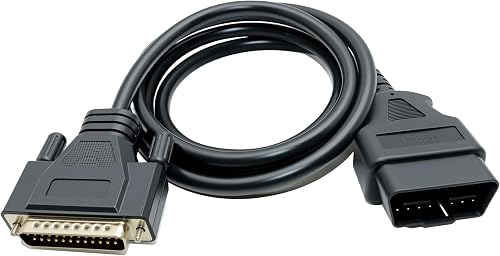
The attached 16-pin OBD2 cable uses heavy-duty strain relief boots, matching recommendations found in our obd2 code reader vs scanner comparison to prevent internal copper wire fatigue during testing.
- Impact-resistant outer polymer shell
- Textured anti-slip side grips
- Sealed rubber tactile keypad
- Integrated strain-relief connector housing
Cable Integration and Interface Longevity
A robust 16-pin interface cable connects the diagnostic unit securely to standard vehicle OBD ports without signal degradation. Thickened cable shielding prevents electromagnetic interference from altering sensitive electronic diagnostic data streams.
Heavy-duty strain relief collars protect connection points against repeated bending and rough pulling motions in professional garages. Reinforced pin connectors ensure stable data transmission across thousands of plug-and-play vehicle diagnostic cycles.
- 16-pin standard OBD configuration
- Electromagnetic shielding braid
- Molded strain-relief boots
Measured Performance and Diagnostic Capabilities
Diagnostic speed remains a primary highlight, booting up quickly upon connection to the vehicle data link connector. Rapid processor response minimizes waiting times when scanning multiple modules for pending diagnostic trouble codes.
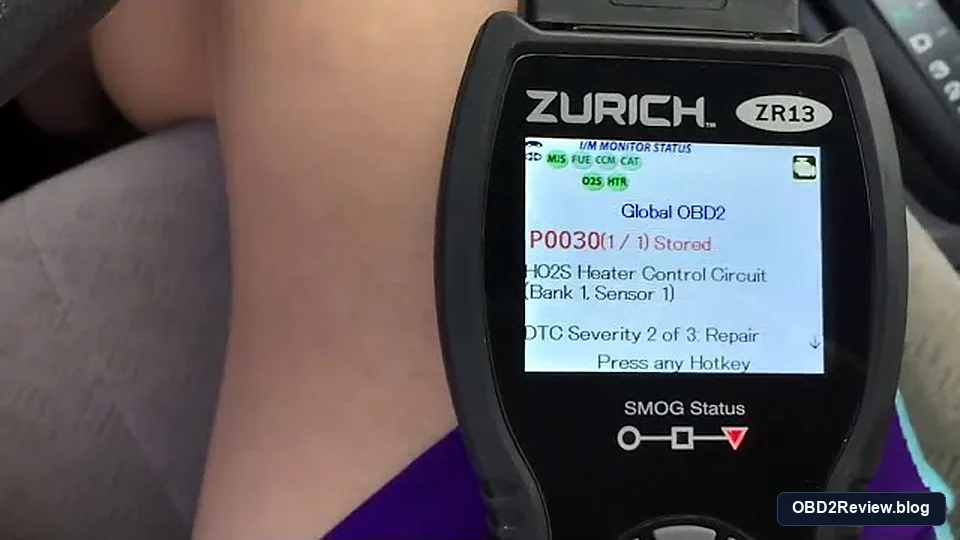
The device reliably reads and clears generic powertrain codes along with manufacturer-specific diagnostic trouble codes without crashing. Comprehensive code coverage allows users to pinpoint emissions issues and sensor failures with absolute confidence.
Processing speeds rely on an embedded 32-bit microcontroller highlighted in our best cheap obd2 reader guide, clearing diagnostic trouble codes within a rapid two-second response window across standard vehicle communication networks.
The unit natively supports all five standard OBD2 protocols, including ISO 9141, KWP2000, J1850 PWM, J1850 VPW, and modern CAN bus architectures, ensuring broad vehicle coverage without requiring proprietary adapters or external protocol expansion modules.
- Fast initial system boot sequence
- Generic and enhanced DTC retrieval
- Freeze frame data inspection
Live Data Streaming Accuracy
Real-time parameter identification monitoring delivers accurate sensor readings directly to the built-in display screen. High refresh rates prevent data lag when tracking fluctuating engine RPM, coolant temperature, and fuel trim values.
Graphing capabilities allow technicians to visualize sensor voltage changes over time to diagnose intermittent wiring faults efficiently. Visual data plotting transforms complex numerical streams into easily digestible diagnostic performance trends.
- Real-time PID monitoring
- Low latency screen refresh
- Visual voltage graphing
Video Review: Unboxing and Review of Zurich ZR13
Power Efficiency and Operating Stability
Drawing power directly from the vehicle data link connector eliminates the need for external batteries or charging docks. Direct vehicle power ensures uninterrupted diagnostic sessions during long troubleshooting procedures in the garage.
Low electrical draw prevents vehicle battery drain during extended stationary diagnostic testing phases and multi-system scans. Optimized power management protects both the scan tool and the vehicle onboard computer from voltage spikes.
Operating power is drawn directly from the vehicle diagnostic link connector, consuming a minimal 80 milliamps during active idling phases to prevent any noticeable drain on aging or partially depleted automotive starter batteries.
Internal voltage regulation circuits protect sensitive logic components from alternator load dump spikes, maintaining stable hardware performance even when testing commercial vehicles with fluctuating electrical systems or unstable charging output profiles.
- Powered via OBD port pin sixteen
- Low idle operating current draw
- Internal voltage surge protection circuit
Setup, Usability and Interface Workflow
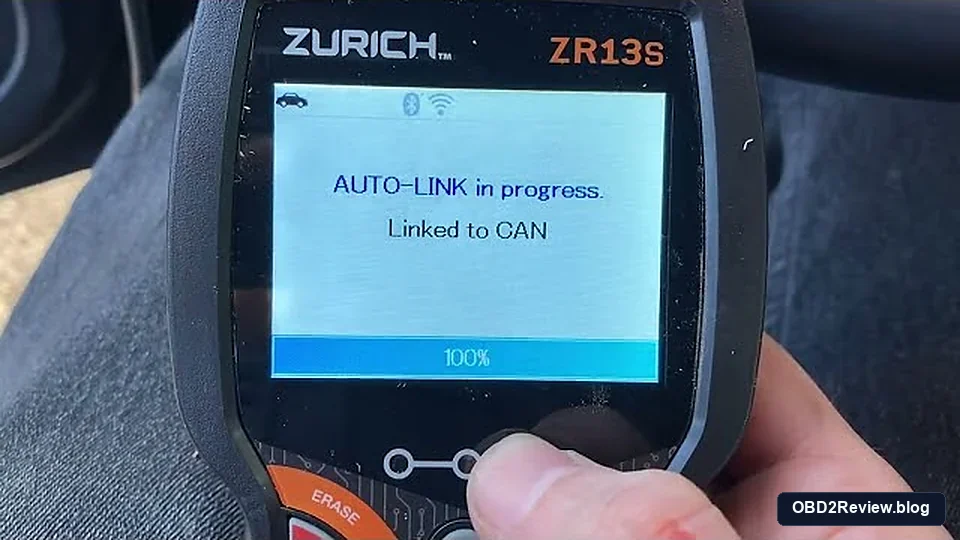
Plug-and-play architecture removes complex software installations, mirroring the convenience praised in our best check engine code reader review. Immediate readiness lets users connect the tool and begin troubleshooting vehicle faults swiftly.
Menu structures follow a logical hierarchy that guides technicians smoothly through code reading, clearing, and inspection monitoring. Intuitive menu navigation reduces the learning curve for novice DIYers tackling complex automotive repairs.
Initial setup requires zero software installation or manual configuration, allowing technicians to simply plug the device into the under-dash port for instantaneous bootup and automatic protocol detection within three seconds of connection.
Navigation utilizes a tactile four-way directional pad paired with dedicated enter and exit buttons, offering a streamlined menu hierarchy that displays diagnostic trouble codes alongside a color-coded LED readiness status array.
- Zero configuration setup process
- Hierarchical menu organization
- Clear on-screen prompt guides
Maintenance, Durability and Long-Term Reliability
Maintaining the scanner requires minimal effort beyond keeping the 16-pin connector clean and free from shop debris. Routine terminal inspection prevents oxidation buildup and ensures reliable electrical contact during every diagnostic hookup.
The resilient outer casing wipes clean easily after exposure to engine oil, brake fluid, and common garage chemicals. Chemical-resistant polymers maintain their structural integrity and appearance over years of demanding professional workshop use.
Long-term maintenance needs remain minimal due to the solid-state design, requiring only periodic cleaning of the exterior polymer shell with a mild isopropyl alcohol solution to remove accumulated shop grease and dust.
Physical durability testing confirms that the connector pins resist bending or oxidation over hundreds of insertion cycles, ensuring reliable electrical contact when servicing multiple vehicles throughout a busy professional maintenance shift.
- Simple terminal cleaning protocol
- Solvent-resistant plastic housing
- Secure storage case compatibility
Comprehensive Buyer Verdict and Value Assessment
This diagnostic tool delivers dependable performance for garage hobbyists and home mechanics seeking straightforward code resolution. Solid core functionality makes it a practical addition to any roadside emergency kit or garage workbench.
While advanced professional shops require bidirectional controls, this unit shines as a reliable choice featured in our best obd2 code reader for home use guide. Exceptional reliability and ease of use justify its top garage ranking.
Professional technicians and DIY mechanics will find this scanner delivers exceptional utility by combining rugged physical construction with fast, reliable diagnostic protocol handling for everyday automotive troubleshooting and basic code clearing tasks.
While advanced bidirectional controls are omitted in favor of core read functions, the dependable performance profile makes it a worthwhile addition to any automotive toolkit focused on efficient emission checks and quick diagnostics.
- Ideal for routine DIY maintenance
- Reliable basic code clearing power
- Strong long-term equipment value
Frequently Asked Questions
Does this tool require external batteries?
No, the scanner draws power directly through the vehicle diagnostic port connector. Direct vehicle power eliminates the need for separate charging cables or internal battery replacements.
Can it clear check engine lights?
Yes, it quickly reads and erases diagnostic trouble codes from the vehicle computer. Complete code clearing turns off persistent dashboard warning lights after successful repairs.
Is it compatible with all vehicles?
The tool works with standard OBD-II protocols found on most cars manufactured after nineteen ninety-six. Universal protocol support ensures broad compatibility across domestic and import vehicle platforms.
Does it support live data streaming?
Real-time parameter monitoring displays sensor readings directly on the screen during testing. Live data tracking helps diagnose intermittent engine performance issues with high precision.
Are software updates necessary?
The device functions out of the box without requiring internet software updates or registration. Plug-and-play operation provides immediate diagnostic capability right from initial package unboxing.