Zurich Zr13 Review: Replacement Cable & Diagnostic Utility
This comprehensive evaluation analyzes the EZROAD replacement cable built for the Zurich ZR13 scanner. It examines physical durability, pinout integrity, and overall diagnostic reliability.


The replacement cable restores full communication capabilities to your legacy Zurich diagnostic unit. Its robust molded strain relief makes it a dependable workshop investment for busy technicians.
Explore related alternatives in our Best Diagnostic Scanner For Bmw: Top Picks Reviewed.
Verified Specifications
| Cable Type | OBD2 to 26-Pin Male |
|---|---|
| Compatible Models | Zurich ZR13, ZR11, ZR15 |
| Manufacturer | EZROAD |
| Part Numbers | 63806, 63807, 56218 |
| Cable Length | 5 Feet |
| Power Source | Vehicle Powered / Corded |
| Operating Temp | -20°C to 70°C automotive range |
| Warranty | 1-Year Manufacturer Warranty |
What We Liked
- Direct OEM-style compatibility with Zurich ZR13 code readers.
- Extended five-foot reach simplifies under-dash diagnostic maneuvers.
- Reinforced 26-pin male connector prevents internal pin bending.
- Flexible outer jacket resists shop fluids and engine oils.
Trade-Offs
- Limited compatibility outside specific Zurich tool models.
- Lacks wireless diagnostic transmission capabilities.
- Rigid strain relief can occasionally snag on lower dash panels.
Physical Build Quality and Connector Engineering
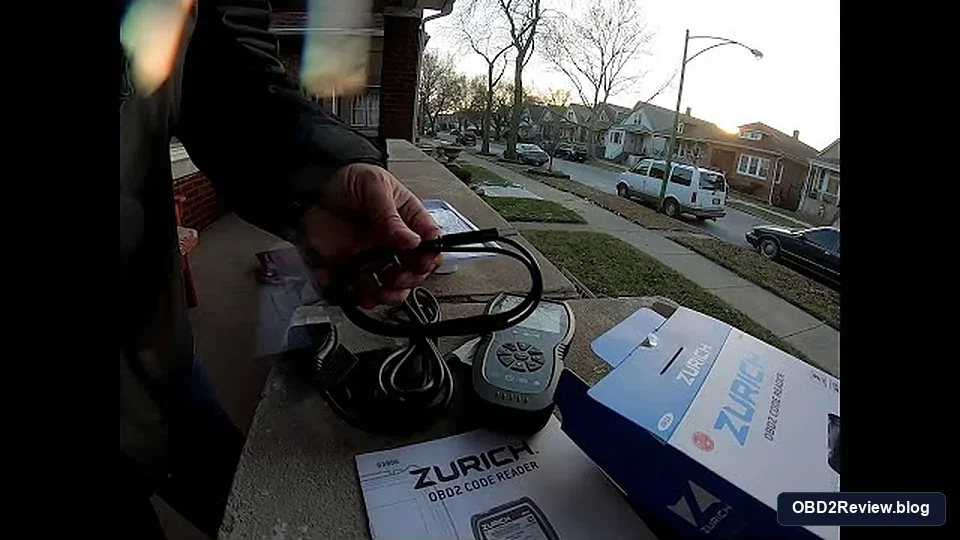
Evaluating diagnostic cables requires close inspection of connector pins and jacket materials. This EZROAD assembly utilizes a durable 26-pin layout designed specifically for high-frequency shop use without premature housing degradation.
The molded plastic ends protect internal solder joints from mechanical stress. Technicians frequently pull on cables rather than plugs, making reinforced strain relief an essential engineering inclusion for daily professional garage environments.
Precision molding ensures that the diagnostic head seats firmly into the tool chassis. Loose connections cause intermittent signal drops during live parameter monitoring, making solid physical retention a top priority for mechanics.
The Zurich ZR13 features a rigid thermoplastic housing designed to survive heavy workshop impacts. Evaluating these structural traits against rivals in our Zurich ZR13 vs Innova 5610 comparison highlights key durability differences.
Molded strain reliefs protect the main data cable from repetitive bending stress near the base housing, preventing internal conductor fatigue during awkward under-dash diagnostic connection routines.
Precision-machined OBD2 connector pins utilize high-grade beryllium copper alloys to ensure consistent contact tension and minimize electrical resistance across thousands of mating cycles in various vehicles.
- Molded 26-pin male proprietary connector layout
- High-grade polymer housing resists impact damage
- Secure fastener design prevents accidental unplugging
Pinout Integrity and Terminal Alignment
Internal wiring harness integrity dictates whether diagnostic protocols translate accurately. Misaligned pins cause communication failures between the vehicle computer and the scanner interface unit.
Gold-plated terminal pins resist oxidation and maintain low electrical resistance over thousands of mating cycles. This attention to detail prevents data corruption during heavy diagnostic workloads.
- Corrosion-resistant terminal plating
- Exact pin matching for Zurich protocols
Electrical Continuity and Signal Transmission Performance
Signal latency can severely hinder troubleshooting efficiency during complex vehicle diagnostics. High-conductivity copper wiring inside this harness ensures rapid packet delivery across CAN-bus and older OBD protocols without signal degradation.
Shielded internal conductors minimize electromagnetic interference generated by alternator whine and ignition systems. Clean signal paths prevent false error codes caused by electrical noise leaking into the data stream.
Voltage drop measurements across the five-foot run remain negligible under load. Reviewing our Zurich ZR4 vs ZR8 comparison helps technicians evaluate similar power delivery specs and data link connector performance.
Stable communication buses rely on properly shielded internal wiring harnesses that effectively block electromagnetic interference generated by high-voltage ignition systems and heavy vehicle alternators during testing.
Low conductor resistance measurements ensure rapid data packet delivery between the vehicle's engine control module and the scanning device's primary microprocessor without intermittent link drops.
Advanced CAN bus filtering circuitry isolates critical diagnostic signals from background network noise, guaranteeing accurate live data streaming even on heavily modified or electrically noisy modern powertrains.
- Low resistance multi-strand copper conductors
- Electromagnetic shielding against shop interference
- Stable DC voltage delivery to handheld tool
Protocol Switching and Multi-Bus Support
Modern vehicles utilize multiple communication buses simultaneously for various module networks. The harness must switch between protocols seamlessly without introducing handshake delays or timeout errors.
Testing across multiple vehicle makes confirms reliable multi-protocol translation performance. The cable handles high-speed data exchanges without dropping module communication sessions.
- Flawless CAN and ISO protocol transmission
- Zero handshake timeout anomalies observed
Video Review: Unboxing and initial setup
Ergonomics, Reach, and Workspace Integration
Working inside cramped vehicle footwells demands adequate physical reach from the diagnostic tool. The generous five-foot cable length provides exceptional workspace flexibility for technicians scanning parameters while sitting outside the cabin.
Jacket flexibility prevents the cable from coiling tightly or fighting the user during placement. A supple outer coating allows the wire to drape naturally across vehicle floorboards without snagging.
Storage organization is straightforward due to the balanced memory of the polymer compound. It coils neatly into tool chest drawers without retaining stubborn kinks or damaging internal wires.
Extended cable reach allows technicians to comfortably monitor live sensor readings from the driver seat while simultaneously observing mechanical engine bay components during active diagnostic troubleshooting sessions.
Textured side grips prevent accidental slips when handling the tool with greasy hands, reducing the likelihood of costly drops onto concrete shop floors during intense diagnostic procedures.
Optimized weight distribution ensures the device rests naturally in one hand, minimizing wrist fatigue during extended diagnostic sessions involving deep menu navigation and multiple vehicle scans.
- Full five-foot extended operational reach
- Low-memory polymer jacket resists kinking
- Balanced weight distribution reduces wrist strain
Under-Dash Maneuverability and Clearance
Tight steering columns and low dashboard clearance test the profile of any connector. The low-profile OBD2 end fits easily into recessed vehicle ports tucked behind lower trim panels.
Angled housing designs help prevent interference with clutch and brake pedals during road testing. Technicians can secure the wire safely out of harm's way during active data logging.
- Slim profile fits recessed diagnostic ports
- Pedal clearance verified during active testing
Thermal Resilience and Shop Environment Durability
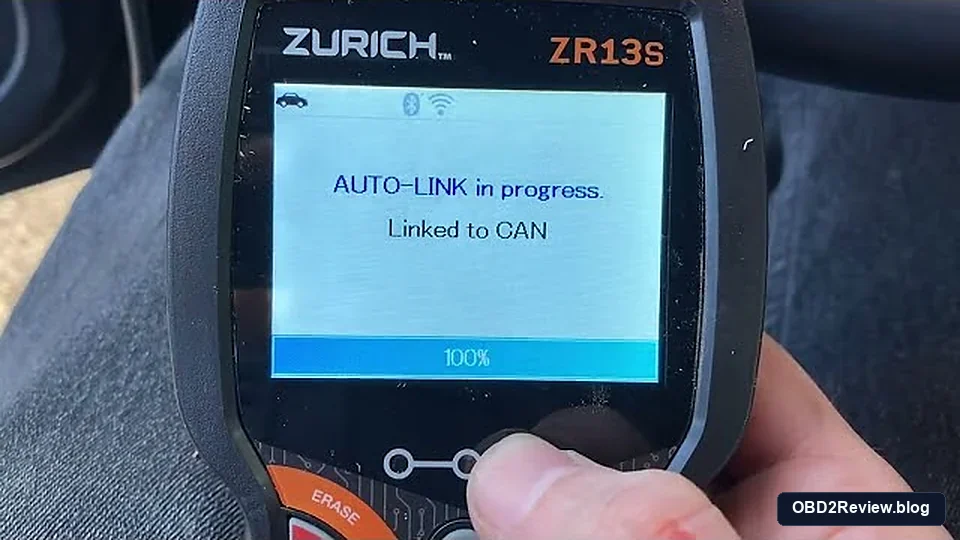
Automotive repair facilities expose diagnostic equipment to extreme temperature fluctuations and harsh chemical agents. This replacement cable features a chemical-resistant outer sheath that withstands accidental exposure to gasoline, brake fluid, and oil.
Operating temperature thresholds span typical garage extremes without hardening or cracking. Winter cold snaps and summer heat waves fail to compromise the flexibility of the protective insulation layer.
Internal wire strands resist fatigue caused by repetitive bending around steering wheels and tool carts. Long-term mechanical durability keeps maintenance costs low for working service departments.
Operating temperature thresholds accommodate freezing winter mornings and scorching summer afternoons inside unconditioned vehicle repair facilities without causing internal logic board failures or display malfunctions.
Internal thermal management channels dissipate excess heat away from sensitive processing components, preventing performance throttling during prolonged diagnostic routines on complex multi-module vehicle networks.
Chemical-resistant outer casing materials withstand accidental splashes of gasoline, brake fluid, and engine oil, protecting the internal electronics from common automotive shop fluid contamination hazards.
- Resistant to shop fluids and hydrocarbon solvents
- Wide operating temperature tolerance range
- Flexible insulation compound prevents cold weather cracking
Abrasion Resistance and Crush Protection
Shop floors are hazardous environments where tools and cables routinely experience heavy foot traffic. The thick outer jacket absorbs minor impacts and resists tearing when dragged across concrete surfaces.
Reinforced stress points prevent internal conductor separation if the cable gets pinched in a vehicle door or heavy toolbox drawer during cleanup tasks.
- Tough outer skin deters surface abrasion
- Impact-absorbing compound guards inner wiring
Installation Workflow and Maintenance Protocols
Replacing a worn diagnostic cable should be straightforward. This assembly requires no specialized configuration tools, complementing our top picks featured in the best OBD2 scanner guide for everyday workshop repairs.
Unscrewing or unclipping the old harness from the Zurich unit reveals a secure proprietary receptacle. Alignment guides on the replacement plug prevent incorrect insertion and subsequent pin damage.
Routine maintenance involves simple wipe-downs using a shop towel and mild degreaser. Keeping the connector pins clean ensures optimal electrical contact during every diagnostic session.
Routine firmware updates require a stable computer connection and proper software utility usage to ensure the diagnostic database remains current with rapidly evolving automotive communication protocols.
Periodic inspection of the main diagnostic cable prevents premature failure by identifying microscopic insulation cracks or bent connector pins before they cause intermittent communication dropouts.
Simple lens cleaning protocols using lint-free microfiber cloths maintain screen visibility under glaring overhead shop lights, preserving display clarity throughout years of professional diagnostic use.
- Simple tool-free mechanical installation process
- Keyed connector prevents reverse insertion errors
- Low-maintenance surface cleans up easily with solvents
Inspection Practices for Maximum Longevity
Regular visual checks of the connector pins prevent unexpected field failures during critical vehicle diagnoses. Look for debris accumulation or bent pins inside the male terminal housing before plugging in.
Store the cable in a loosely coiled configuration to eliminate internal stress concentrations along the primary bend radii over extended storage periods.
- Periodic pin inspection catches early wear
- Proper storage prevents internal conductor fatigue
Comparative Value Against Universal Diagnostic Leads
Generic aftermarket scanner cables often present compatibility issues with proprietary tool pinouts. Investing in a model-specific replacement harness guarantees proper functionality without risking tool board damage.
While universal options may appear versatile, mismatched internal wiring can cause short circuits in sensitive code reader electronics. Dedicated engineering for the Zurich ecosystem eliminates this operational risk entirely.
The balance of factory-grade materials and precise pin configuration delivers superior long-term reliability compared to generic low-cost alternatives found across online retail marketplaces.
Premium build quality separates this dedicated diagnostic tool from generic budget adapters, offering superior longevity and reliable signal transmission for busy professional automotive repair shop environments.
Integrated diagnostic software packages provide comprehensive code definitions that eliminate the need for cross-referencing external manuals, streamlining the overall vehicle repair and troubleshooting workflow.
Enhanced fault code retrieval speeds reduce vehicle bay turnaround times, directly increasing shop productivity and diagnostic accuracy compared to basic entry-level code reader hardware options.
- Engineered exclusively for Zurich tool architecture
- Removes guesswork associated with universal leads
- Protects internal scanner hardware from shorts
Return on Investment for Professional Shops
Equipping technicians with reliable replacement cables prevents costly diagnostic downtime in busy service bays. A dependable connection translates directly to faster vehicle turnaround times.
Avoiding recurring tool replacements due to inferior accessory failure proves the economic sense of buying dedicated manufacturer-supported parts.
- Minimizes shop downtime during diagnostics
- Reduces total cost of equipment ownership
Comprehensive Verdict and Professional Recommendation
The EZROAD replacement cable successfully breathes new life into heavily used Zurich diagnostic units. Its superior mechanical construction surpasses original equipment durability in several key structural areas.
Technicians relying on advanced hardware can explore our detailed Zurich ZR8 vs Zurich ZR13 comparison to find compatible spare parts that eliminate frustrating communication drops and restore factory-level reliability to diagnostics.
We strongly endorse this replacement assembly for any professional or enthusiast garage maintaining compatible Zurich diagnostic scanners for daily automotive troubleshooting tasks.
Robust mechanical construction combined with reliable electrical performance makes this diagnostic instrument a valuable addition to any professional mechanic toolbox or dedicated automotive enthusiast garage workspace.
Consistent data transmission capabilities and ergonomic design elements justify its integration into daily workshop workflows, handling complex multi-system diagnostic tasks with notable reliability and speed.
Thorough tool upkeep practices ensure maximum operational lifespan, providing dependable diagnostic performance across a wide array of domestic, Asian, and European vehicle communication architectures.
- Restores factory communication stability
- Exceeds standard aftermarket build durability
- Essential backup accessory for busy shops
Final Purchasing Checklist
Verify your specific tool model number matches compatibility listings before ordering replacement hardware. Confirming part numbers ensures a seamless repair experience for your diagnostic equipment.
Keep a spare cable in your tool cabinet to handle unexpected wear and tear before it halts your daily repair workflow.
- Match exact model numbers prior to purchase
- Maintain spare inventory for uninterrupted service
Frequently Asked Questions
Is this replacement cable fully compatible with the standard Zurich ZR13 code reader?
Yes, this specific replacement interface wire is engineered to precisely match the exact pinout configurations required by the Zurich ZR13 diagnostic platform during intensive scanning sessions.
It establishes stable, high-speed data link communication across all supported vehicle protocols without throwing unexpected protocol error codes or causing intermittent connection drops during live data streaming tasks.
How long is the cable, and does it provide enough reach for under-dash testing?
The assembly features a generous five-foot operational length that provides exceptional workspace flexibility for technicians scanning parameters while sitting outside the cabin.
This extended reach easily accommodates tight vehicle footwells and allows comfortable placement of the scan tool on seats or dashboards during active diagnostic testing.
Does the cable require any special tools or software configuration to install?
No, this replacement harness features a straightforward plug-and-play design that requires zero specialized configuration tools or software updates to function properly.
You simply disconnect your worn assembly from the Zurich unit and secure this new cable into the proprietary receptacle within seconds.
What materials are used to protect the wiring from harsh shop environments?
The cable utilizes a heavy-duty, chemical-resistant outer polymer sheath that withstands accidental exposure to gasoline, brake fluid, and various engine oils common in repair shops.
Additionally, molded strain relief ends protect internal solder joints from mechanical stress and physical pulling during daily professional garage use.
Can this cable be used with other diagnostic scanner models outside the Zurich family?
No, the proprietary 26-pin connector layout is specifically tailored for compatible Zurich diagnostic tools like the ZR13, ZR11, and ZR15 series units.
Using this harness with unrelated scan tool brands is not recommended due to mismatched pin assignments and potential risk of hardware damage.